Grange Woods habitat bank to restore wildlife in Cheshire West
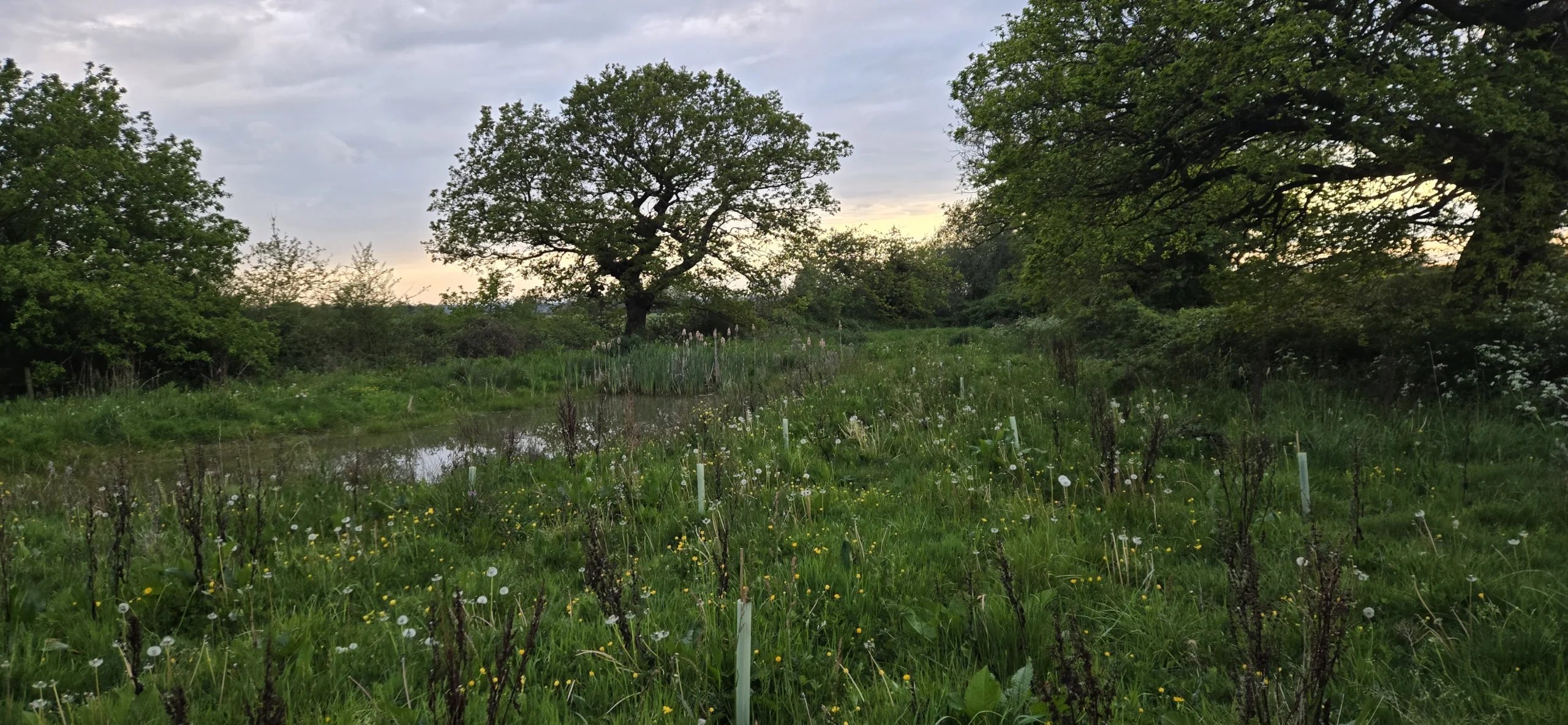
Residents between Chester and Frodsham will see a significant transformation of the local landscape as Grange Woods becomes the first dedicated habitat bank in Cheshire West. The 8.56-hectare site has been officially registered with Natural England, marking a shift in how the region manages land to combat the decline of native species. This initiative is designed to create a connected network of environments where plants and animals can thrive over the long term.
The project at Grange Woods involves the creation of a mosaic of environments, including species-rich grassland, native broadleaved woodland, and several strategically placed ponds. By linking these disparate habitats, the scheme aims to create a corridor that allows species to move freely. This connectivity is essential for building resilient populations that can better withstand environmental changes and habitat fragmentation.
Ecological restoration at Grange Woods
The transformation of the site is guided by a baseline ecological assessment conducted before any work began. Ecologists identified the specific needs of the area to ensure the new habitats support a wide range of local fauna. The newly created ponds are expected to become breeding grounds for amphibians such as newts, frogs, and toads, while the broadleaved woodland will provide nesting sites for birds and roosts for various bat species.

The species-rich grasslands are specifically designed to attract pollinating insects, including bees and butterflies, which have seen drastic declines across the UK. Regular monitoring and condition assessments will take place to track the progress of these habitats. All ecological gains are recorded on a national register to ensure transparency and accountability in the restoration process.
Funding through Biodiversity Net Gain units
The financial engine behind this restoration is the Biodiversity Net Gain (BNG) system. Under current planning regulations, most new developments are required to deliver at least a 10% net gain for biodiversity. If a developer cannot achieve this uplift within the boundaries of their construction site, they must fund habitat creation elsewhere by purchasing BNG units from a registered habitat bank.

Grange Woods generates these units, which developers can then buy to fulfill their legal obligations. This system ensures that urban expansion in the borough directly funds the long-term maintenance and improvement of the natural environment. According to Gemma Davies, Director of Economy and Housing at Cheshire West and Chester Council, this funding model ensures that sites like Grange Woods continue to be managed for years to come, providing a sustainable source of investment for local nature.
Reversing the trend of local species extinction
The urgency of the Grange Woods project is highlighted by historical data regarding the region’s biodiversity. Since 1950, 156 species have become extinct in Cheshire, reflecting a wider national trend that places the UK among the lowest 10% of countries globally for biodiversity. The creation of habitat banks is a primary tool in the Cheshire and Warrington Local Nature Recovery Strategy to reverse these losses.
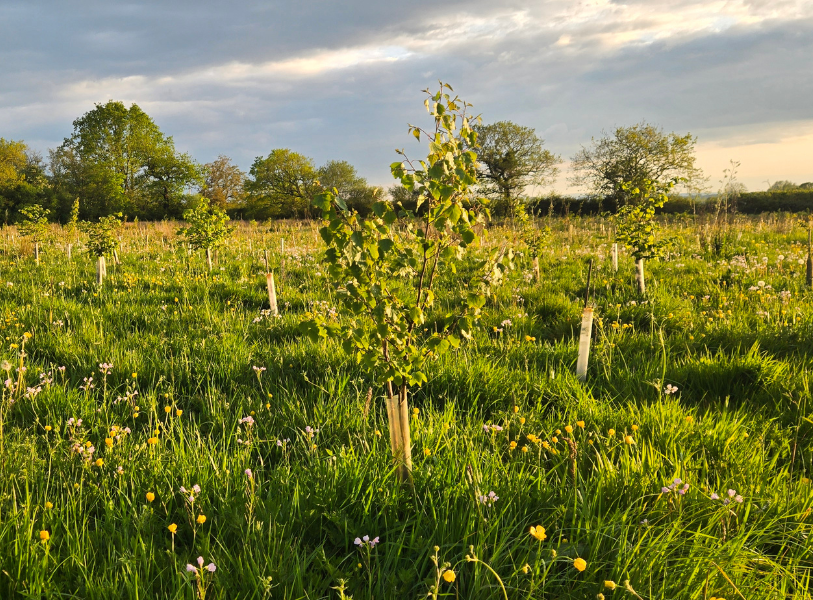
By setting aside land specifically for nature, the council is attempting to secure the future of the borough’s remaining wildlife. Unlike traditional parks, habitat banks are legally secured and managed specifically for ecological improvement for a minimum of 30 years. This long-term commitment allows complex ecosystems to develop and stabilize, offering a more permanent solution than short-term conservation projects.
Expansion of the habitat bank network
The registration of Grange Woods is the first step in a broader regional plan. The council is currently developing four other large-scale habitat banks across the borough. These future sites will offer a variety of habitats, including scrub, wetland, and watercourse units, further diversifying the local landscape and providing more opportunities for nature recovery.
In addition to council-owned sites, the local authority is working with private landowners to expand the BNG market. A Section 106 agreement has already been reached with Bioscape Developments for the Eaton Lane Habitat Bank in Davenham. This site is also registered on the national Biodiversity Gain Site Register, helping to facilitate a market where private investment can support measurable gains for nature across the county.
Source: Cheshire West and Chester Council
Source check Source Transparency
This report is based on official data from the Cheshire West and Chester Council and Natural England's national register.
- Verified Natural England registration status for Grange Woods
- Cross-referenced with the Cheshire and Warrington Local Nature Recovery Strategy
- Confirmed site acreage and location details
- Source
- Cheshire West and Chester Council
- Scope
- Cheshire West
- Updated
- 2026-05-18 15:43
Source check
Report a trust issue
Send a clear signal to community moderation if the source, facts or context need review.



Comments