Buckinghamshire families left in limbo as special school plans scrapped

More than 150 of Buckinghamshire’s most vulnerable children have been left without a promised specialist education facility following a sudden government U-turn on school funding. The Department for Education (DfE) has confirmed it will no longer fund a new, 152-place special school in the county, a project specifically designed to support children with social, emotional, and mental health (SEMH) needs.
Buckinghamshire Council leaders expressed significant disappointment over the decision, noting that the government has effectively gone back on a prior commitment. The scrapped facility was intended to address a critical shortage of specialist places, which currently forces many families to seek support outside the county or remain in settings that cannot fully meet their complex requirements.
Scrapping of 152-place special school facility
The proposed school was expected to be a cornerstone of the local SEND (Special Educational Needs and Disabilities) strategy. By providing 152 dedicated places, the facility would have offered tailored environments for pupils who struggle in mainstream education due to SEMH challenges. These children often require smaller class sizes, specialized therapeutic support, and a curriculum adapted to their emotional development.
Carl Jackson, Cabinet Member for Education & Children’s Services, stated that the council had provided the Department for Education with “detailed and powerful evidence” demonstrating the urgent necessity of the project. The withdrawal of support is viewed locally as a failure to acknowledge the rising demand for specialist SEMH provision, which has seen a sharp increase in applications over the last three years.
Concerns over inadequate alternative funding
In place of the full funding for the new school, the government has offered Buckinghamshire Council a smaller financial package intended to expand existing special schools. However, local officials have labeled this alternative as “woefully inadequate” to meet the true scale of demand. Expanding existing sites often presents logistical challenges, including site constraints and the potential for overcrowding in facilities already operating at capacity.
While some infrastructure projects, such as the Aylesbury school expansion, have successfully added general secondary places to the region, the specific requirements for SEMH students are significantly more resource-intensive. The council argues that simply adding classrooms to existing schools does not replicate the comprehensive support system a purpose-built special school provides.
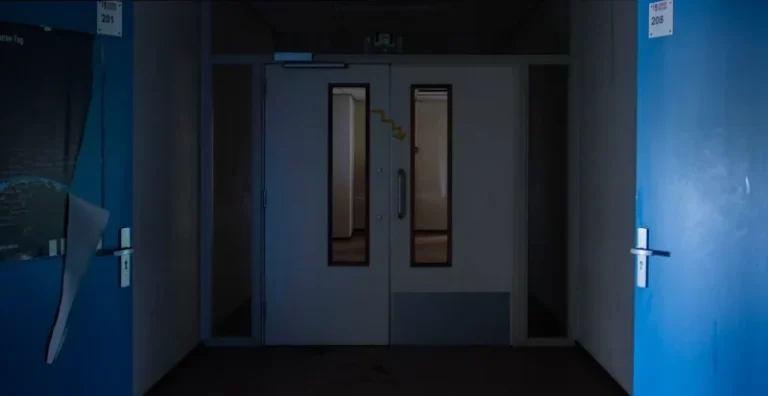
Long-term impact on SEMH provision in Buckinghamshire
The decision to scrap the plans risks a lasting and damaging impact on the county’s most vulnerable young people. Without the new school, the council warns that the gap between the need for SEND support and the available local capacity will continue to widen. This often leads to increased costs for the local authority, as they are frequently required to fund expensive private placements or out-of-county transport when local state provision is unavailable.
For families, the news is a significant blow. Many had been anticipating the new school as a solution to long-term placement struggles. The lack of local SEMH places can lead to increased exclusion rates and poorer long-term outcomes for children who do not receive the right support at the right time.
Local commitment to expanding existing school capacity
Despite the funding withdrawal, Buckinghamshire Council has pledged to continue its efforts to support SEND families. The local authority is now forced to re-evaluate its capital strategy to determine how to best utilize the smaller funding package offered by the DfE. This will involve working closely with current school leaders to identify where temporary or permanent expansions can be shoehorned into existing sites.
Council officers will continue to lobby the Department for Education for a reversal of the decision or for a more substantial funding settlement that reflects the actual data provided by the county. The focus remains on improving SEND services and ensuring that, despite the national funding shortfall, every child in the county has access to the tools they need to achieve and thrive. This includes ongoing investment in teacher training and localized support networks to bolster the capacity of mainstream schools to handle lower-level SEMH needs while the search for a permanent specialist solution continues.
Source: Buckinghamshire Council
Source check Official Council Response
This report is based on official statements issued by Buckinghamshire Council regarding Department for Education funding decisions.
- Verified statement from Cabinet Member Carl Jackson
- Cross-referenced with Department for Education capital funding announcements
- Confirmed project specifications for the 152-place SEMH facility
- Source
- Buckinghamshire Council Newsroom
- Scope
- Buckinghamshire
- Updated
- 2026-05-21 17:35
Source check
Report a trust issue
Send a clear signal to community moderation if the source, facts or context need review.

Comments