VR Innovation: How Vilnius University is Transforming Trauma Surgery

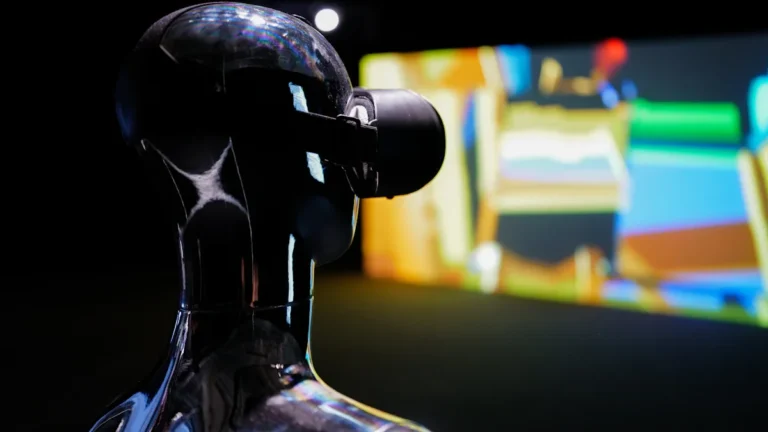
In the high-pressure environment of an emergency department, the first few minutes of treating a polytrauma patient—someone with multiple life-threatening injuries—are often referred to as the ‘golden hour.’ In these moments, the speed and coordination of a medical team determine the thin line between survival and fatality. Traditionally, mastering these skills required years of high-stakes clinical experience. However, a new initiative at Vilnius University (VU) is shifting this paradigm, using virtual reality (VR) to create a risk-free training ground for the next generation of surgeons.
The “MedEd Polytrauma VR” project, led by the Vilnius University Faculty of Medicine, is nearing completion. This international collaboration, involving partners from France and Poland alongside VR developers GLUK Media, has produced a suite of training scenarios designed to simulate the chaos and complexity of real-world trauma cases. From massive hemorrhaging to complicated chest and head injuries, the software allows students and seasoned professionals to practice critical interventions without any risk to human life.
Bridging the Gap Between Theory and Emergency Response
Polytrauma management is notoriously difficult to teach through textbooks or static mannequins. It requires a level of environmental stress and rapid-fire decision-making that is hard to replicate in a classroom. Professor Pranas Šerpytis, the project lead at Vilnius University, emphasizes that this technology is no longer a futuristic concept but a necessary practical tool.
“Virtual reality in medicine is becoming a practical teaching tool rather than a vision of the future,” Professor Šerpytis explains. “This project allows students to experience situations that are almost impossible to replicate using traditional methods, providing them with the muscle memory and cognitive agility needed before they ever step into a real trauma bay.”
The simulation environment developed by GLUK Media places the user in a hyper-realistic clinical setting. Here, the consequences of a delayed intubation or a missed arterial bleed are immediate and visible, allowing for a debriefing process that is both data-driven and emotionally resonant. By the time students reach their sixth year—represented in the project by student Iveta Girdžiūnaitė—they can approach real-life emergencies with a level of confidence previously unattainable through observation alone.
A Global Standard for Medical Education
While the project is rooted in the Baltic region, its implications are global. The methodology and training scenarios developed during this initiative are intended to be accessible to universities and training centers worldwide. This open-access approach to medical innovation addresses a universal challenge: the need for standardized, high-quality trauma training in an era where healthcare systems are under increasing pressure.
The collaboration with French and Polish institutions ensures that the VR modules align with international medical protocols, making the tool versatile enough for use across different healthcare infrastructures. By integrating the expertise of emergency physician Aleksandras Briedis and other specialists, the project ensures that the digital experience remains grounded in rigorous clinical reality.
The Path to Implementation
The results of this three-nation effort, including the final VR tool and the accompanying pedagogical methodology for educators, are set for a formal unveiling. A press conference scheduled for May 21, 2026, at the BNS conference hall in Vilnius, will demonstrate the tool’s capabilities to the public and the medical community.
As medical schools across Europe and the UK look for ways to enhance clinical competency in the wake of evolving healthcare demands, the Vilnius model provides a compelling case study. It suggests that the future of medical education lies not just in the acquisition of knowledge, but in the immersive, repeatable, and safe simulation of the most challenging moments a doctor will ever face.
Source: BNS


Comments