Lithuania’s €88M Innovation Bet: From Lab to Market by 2026

Lithuania is entering the final implementation phase of its €88.34 million “Innovation Missions” project, a strategic initiative designed to shift the nation’s research and development (R&D) from theoretical study to high-value commercial application. Coordinated by the Innovation Agency Lithuania, the programme represents one of the Baltic state’s most significant investments in bridging the gap between academic expertise and industrial solutions.
The initiative is built upon a mission-based model—an approach increasingly favoured by the European Commission—which directs funding toward solving specific societal challenges rather than general scientific inquiry. Of the total €88.34 million budget, approximately €76.69 million is derived from the European Union’s Recovery and Resilience Facility, with the remaining €11.65 million provided by the Lithuanian national budget.
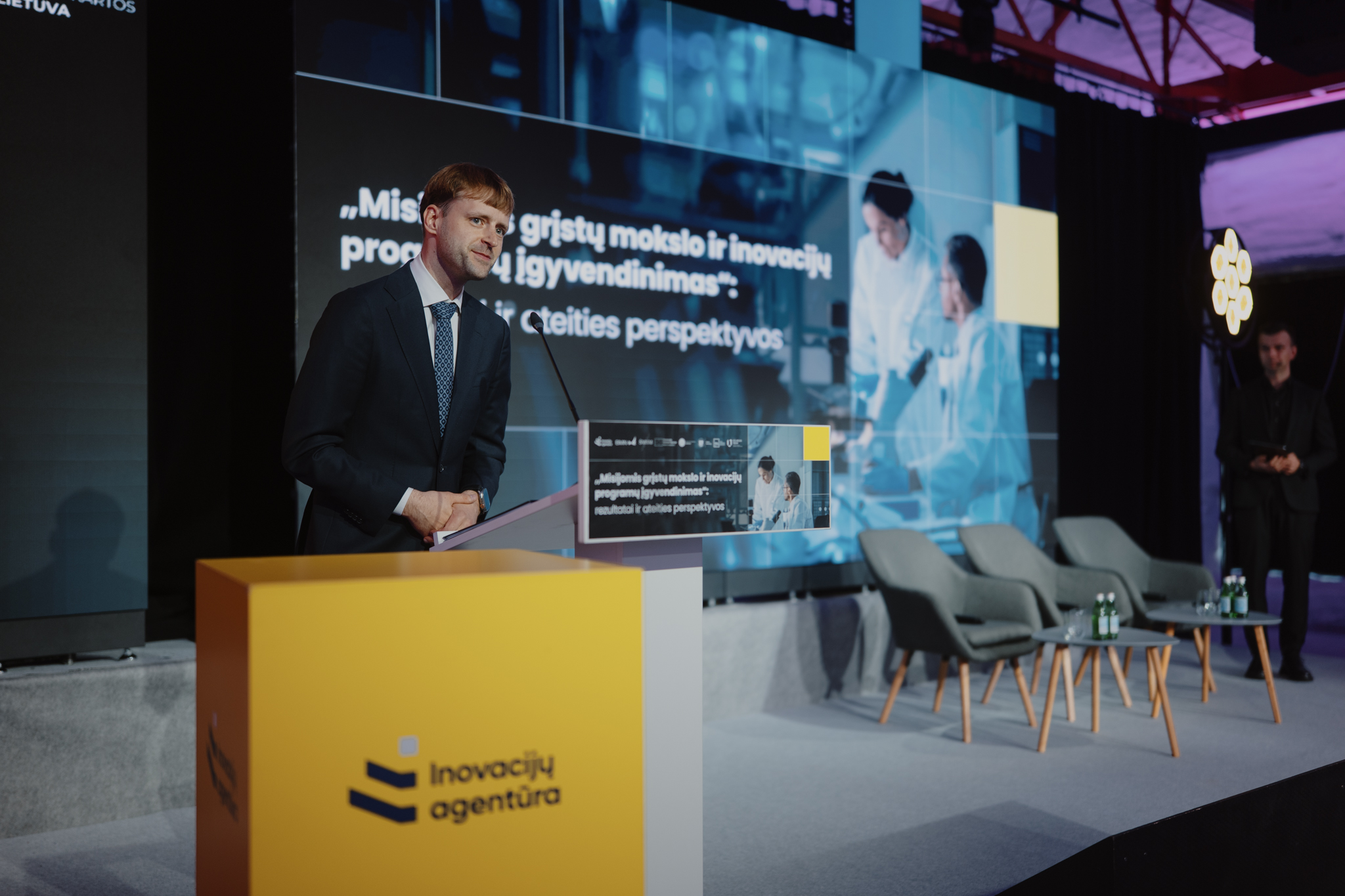
Strategic Allocation and Consortia
The project has established three distinct competence centres, serving as hubs for talent and high-tech business development. These centres are managed by consortia led by the country’s top academic institutions: Vilnius University, VILNIUS TECH, and Kauno technologijos universitetas (KTU).
| Mission Area | Primary Objectives |
|---|---|
| Health & Life Sciences | Early disease diagnostics, gene engineering, and the establishment of a gene technology centre. |
| Climate Neutrality | CO2-reducing construction materials, next-generation road surfaces, and resource-saving technologies. |
| Secure E-Society | National cyber resilience, protection against financial fraud, and countering hybrid threats. |
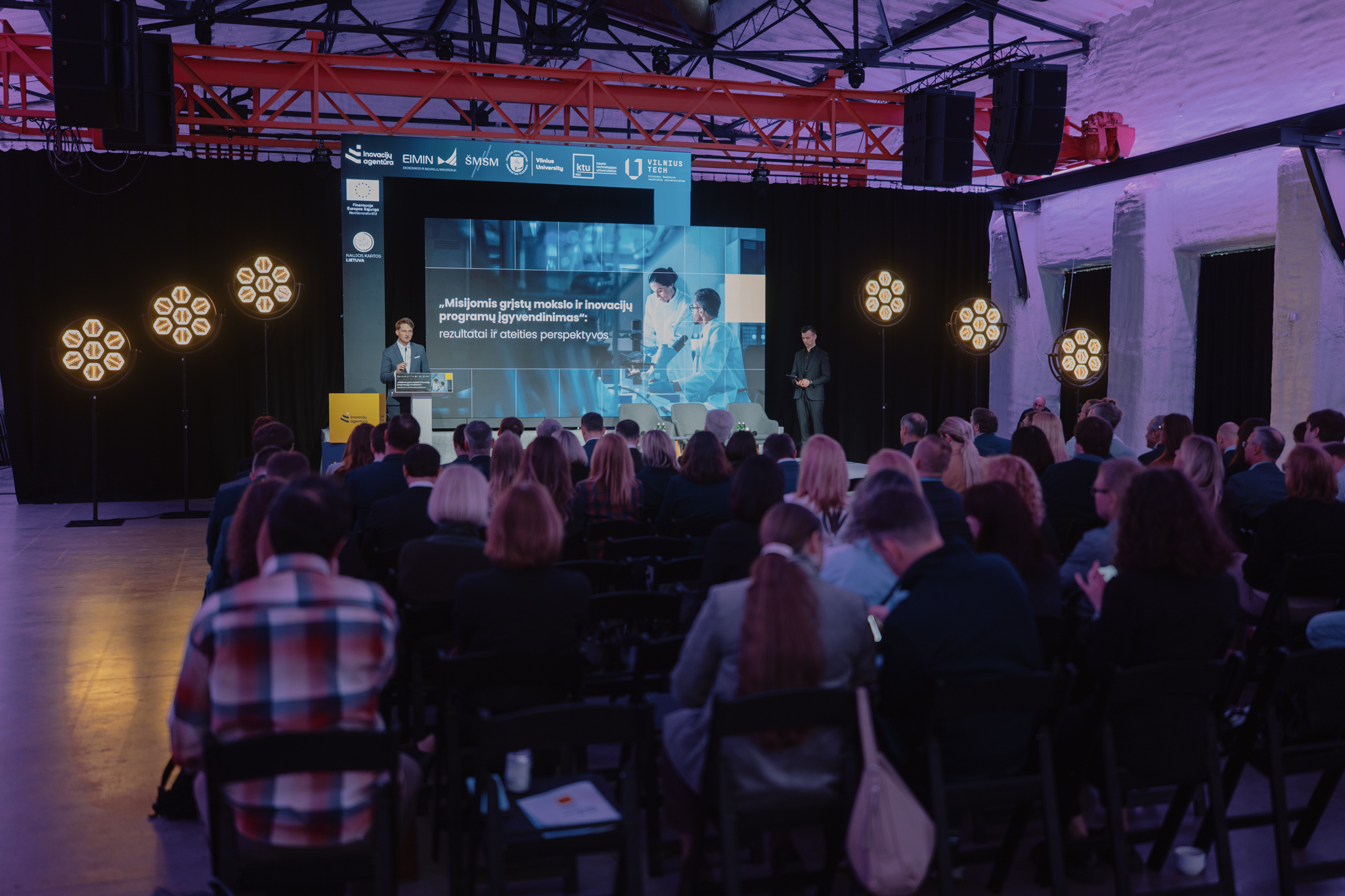
Paulius Kamaitis, acting director of the Innovation Agency, noted that the project’s success is not merely defined by the infrastructure created but by how effectively scientific knowledge is transformed into products that impact daily life. The investment in critical infrastructure is intended to secure Lithuania’s competitiveness in the global market for decades to come.
Economic Projections and Sustainability
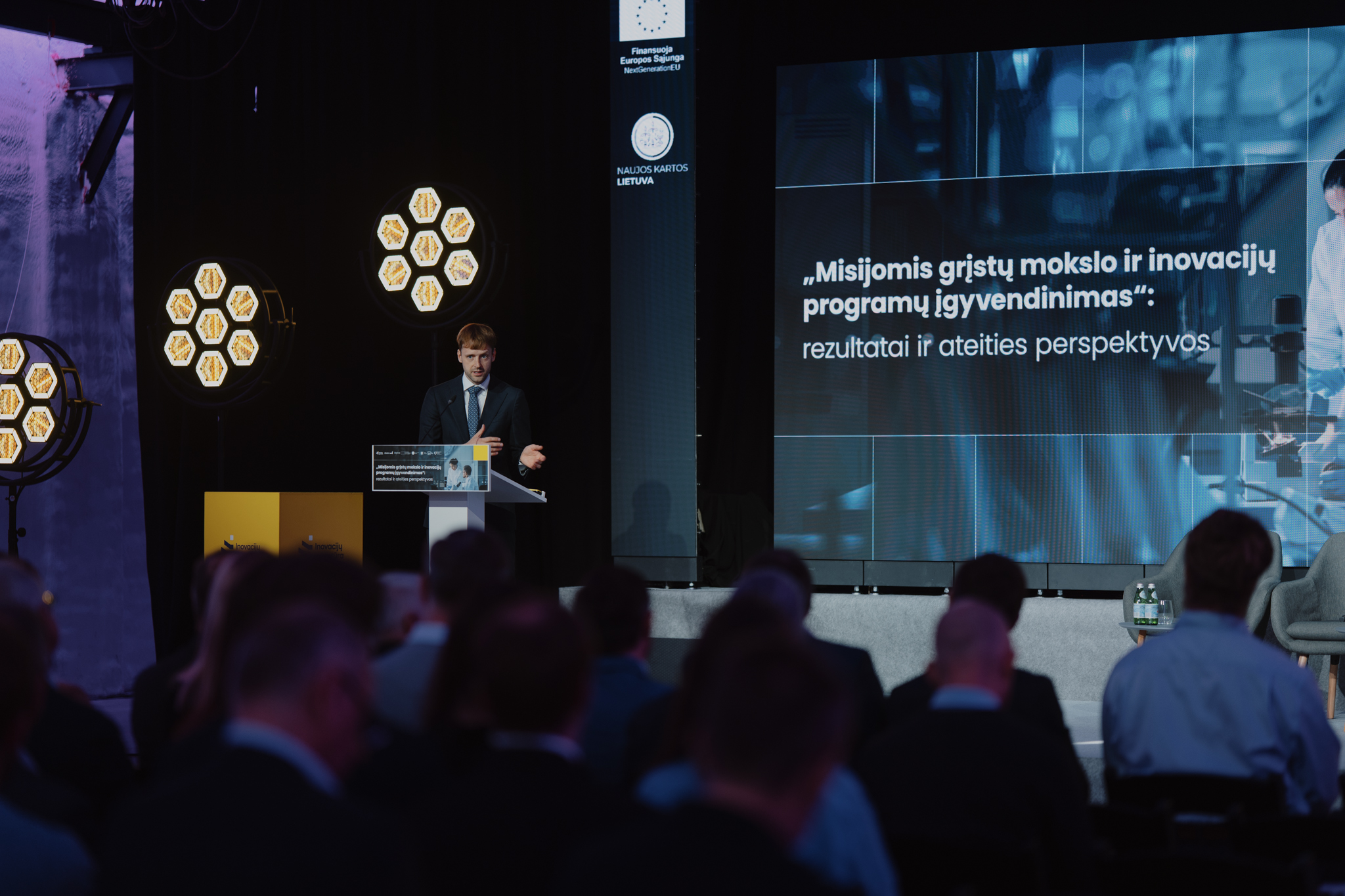
While the active implementation of project activities is scheduled to conclude in June 2026, the long-term economic impact is the primary metric for success. The three newly established competence centres are projected to generate a market value exceeding €30 million by 2029.
However, these figures remain projections. The true test of the “Innovation Missions” will be the ability of these centres to attract private investment and international talent once the initial state and EU funding cycles conclude. The goal is to foster a self-sustaining ecosystem where the collaboration between Lithuanian science and business becomes the primary engine for a high-added-value economy.
Source: ELTA




Comments