Volkswagen ID. GTI: Can Electrons Replace the Petrol Hot Hatch?
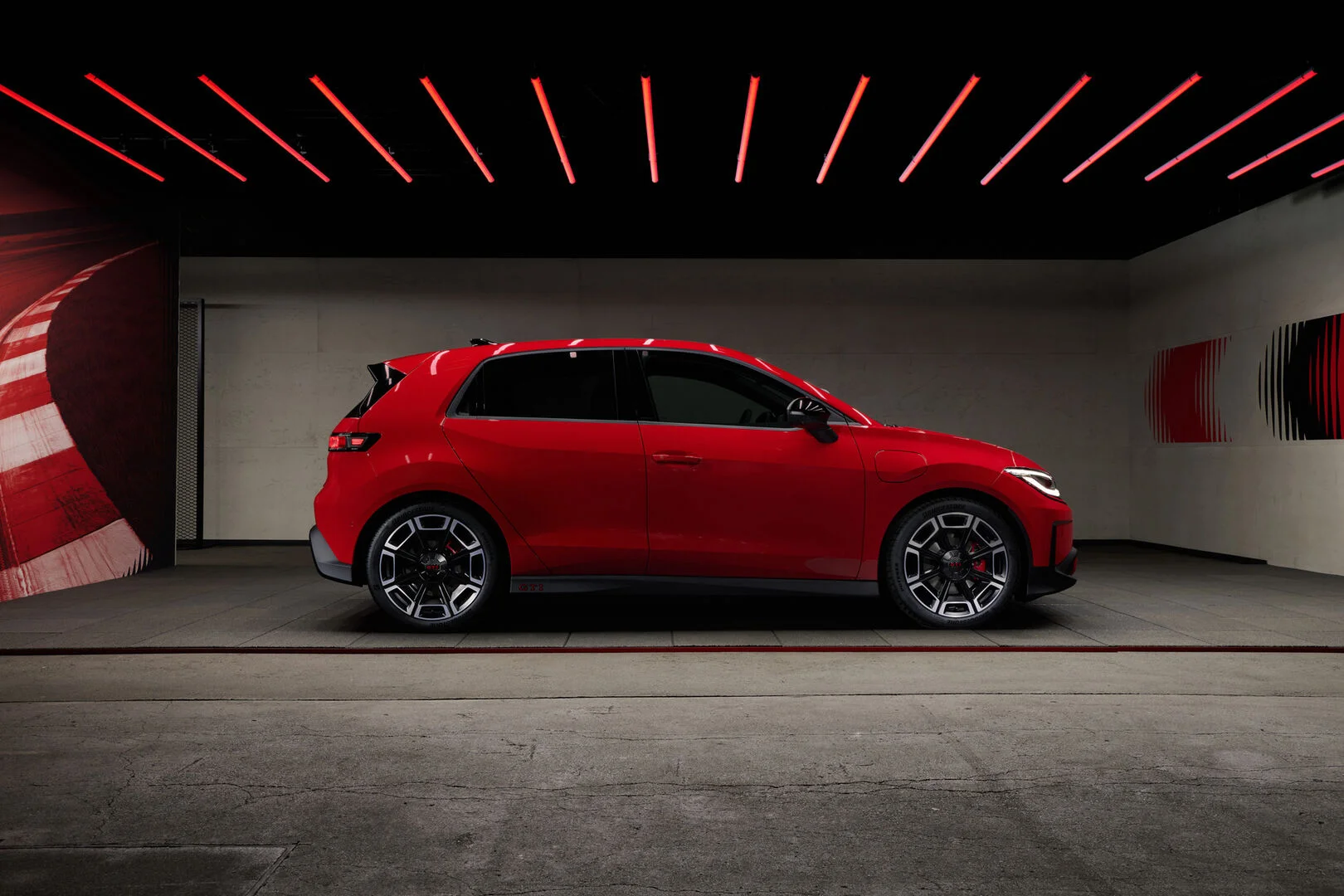
166 kilowatts. That is the figure Volkswagen is betting on to prove that the ‘GTI’ badge can survive the transition to a purely electric future. After 50 years of internal combustion dominance, the unveiling of the ID. Polo GTI (based on the ID.2all concept) marks a pivotal shift for the brand, attempting to marry half a century of heritage with the immediate torque of the electric age.
While the 0-100 km/h (0-62 mph) sprint of 6.8 seconds might not disrupt the leaderboard in a world of sub-3-second Teslas, it places the electric GTI firmly in the territory of its petrol-powered predecessors. This car is not designed for drag-strip dominance; it is engineered for the B-roads, focusing on the front-wheel-drive dynamics that defined the original 1976 Golf GTI.
Performance by the Numbers
The technical specifications reveal a vehicle that prioritises weight management and agility over raw battery size. By opting for a 52 kWh battery, Volkswagen has kept the footprint compact, though this does limit the peak charging speed to 105 kW.

| Specification | Detail |
|---|---|
| Peak Power | 166 kW (226 hp) |
| Max Torque | 290 Nm |
| Acceleration (0-100 km/h) | 6.8 Seconds |
| Battery Capacity | 52 kWh (NMC) |
| WLTP Range | Up to 424 km (263 miles) |
| DC Fast Charging | 10-80% in 24 minutes |
| Boot Capacity | 441 – 1,240 Litres |
These figures suggest a car that is highly capable for daily urban use and spirited weekend drives, though the 263-mile range—likely closer to 200 miles in real-world UK motorway conditions—indicates it remains a ‘compact’ specialist rather than a long-distance cruiser.
Preserving the GTI Soul Through Software
To ensure the vehicle doesn’t feel like a generic electric commuter, Volkswagen has integrated an electronically controlled limited-slip front differential and adaptive DCC sport suspension as standard. The most significant addition for enthusiasts is the ‘GTI Button’ on the steering wheel. This doesn’t just sharpen throttle response; it reconfigures the entire digital environment.

The 10.25-inch ‘Digital Cockpit’ and 12.9-inch multimedia screen can be switched into a ‘Retro Mode.’ This mimics the instrumentation of the original Mk1 Golf GTI, complete with nostalgic graphics. It is a clear nod to the ‘Pure Positive’ design philosophy, attempting to bridge the gap between digital-native buyers and old-school petrolheads.
The Practical Advantage of Electrification
One of the most compelling arguments for the ID. Polo GTI over its petrol ancestors is the interior packaging. Without the need for a transmission tunnel or a bulky combustion engine, the cabin is significantly more spacious. The 441-litre boot capacity is a massive leap forward, offering nearly 100 litres more space than the current petrol-powered Polo GTI.

Furthermore, the inclusion of a 1.2-tonne towing capacity and a 75 kg vertical load limit on the tow bar makes this one of the most practical small performance cars ever conceived. It suggests that the electric GTI isn’t just a toy, but a viable primary vehicle for a small family.
Market Arrival and Expectations
The model is slated for a late 2026 release in European markets, including Lithuania and the UK. Built on the MEB+ platform, it will feature advanced driver assistance systems like ‘Connected Travel Assist’ and one-pedal driving capabilities.
However, the success of this model will ultimately depend on its price point. In the UK market, it will face stiff competition from the Alpine A290 and the electric MINI Cooper SE. Volkswagen’s challenge will be proving that the GTI badge carries enough weight to command a premium in an increasingly crowded electric hot hatch segment.
Source: BNS



Comments