
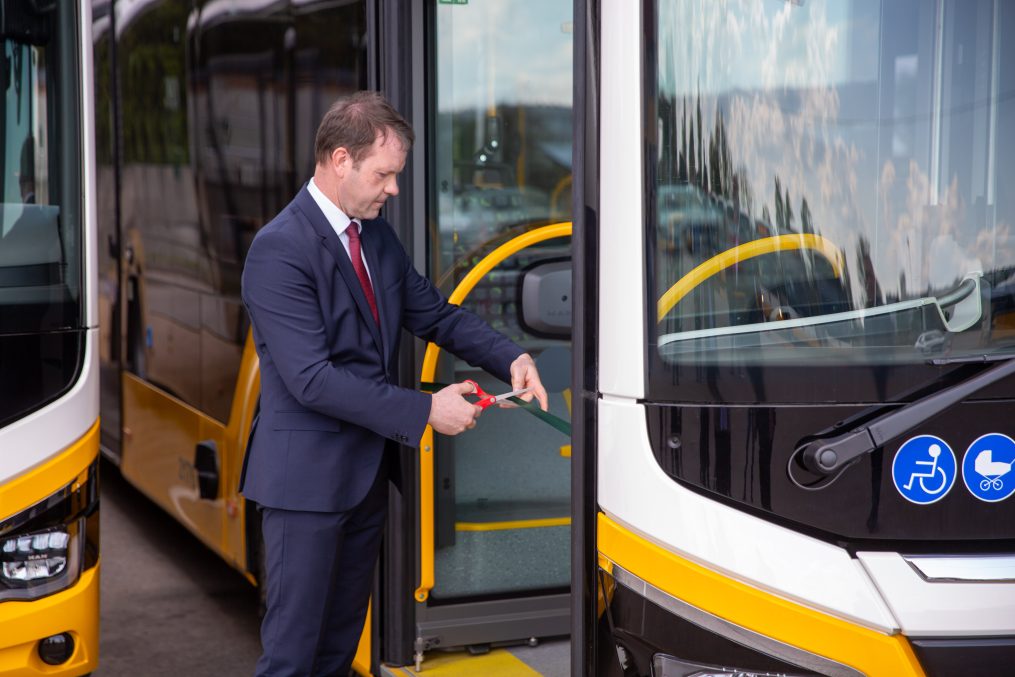
The city of Jelgava has taken a significant step in updating its public transport infrastructure as SIA “Jelgavas autobusu parks” (JAP) introduces 10 new diesel-hybrid buses into its daily service. The rollout, which began on 16 May, marks a critical transition period for the city as it balances immediate operational needs with long-term European sustainability targets.
The acquisition of these M3 category first-class buses represents a strategic move to address an ageing fleet. According to JAP board member Gints Burks, the oldest vehicles currently serving the city’s routes have reached 16 years of age, with many surpassing the one-million-kilometre mark. This level of wear and tear had begun to impact both service reliability and passenger safety, necessitating a fleet renewal that could be implemented without delay.
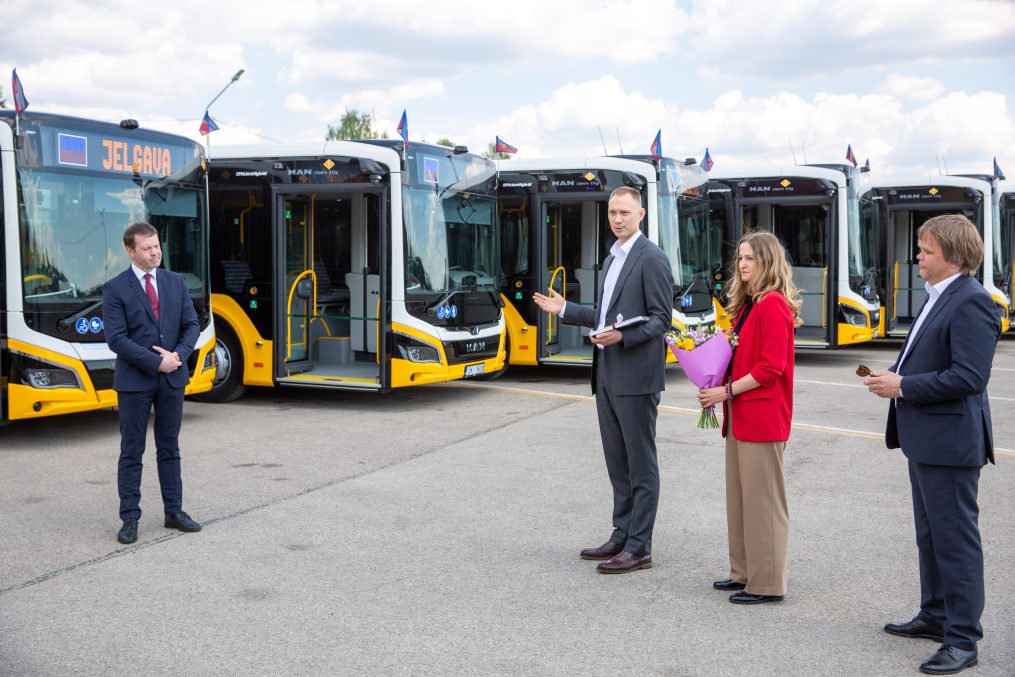
Technical Specifications and Fleet Modernisation
The new vehicles were supplied by SIA “Avar Auto,” the official representative of MAN Truck & Bus SE in Latvia. These hybrid units are designed to bridge the gap between traditional internal combustion engines and fully carbon-neutral alternatives. By utilizing a diesel-hybrid system, the city expects to see a reduction in fuel consumption and emissions compared to the outgoing 16-year-old models, while maintaining the range and flexibility required for intensive urban routes.
| Fleet Update Metric | Detail |
|---|---|
| Total New Units | 10 |
| Vehicle Category | M3 Class I (Hybrid) |
| Manufacturer | MAN Truck & Bus SE |
| Unit Cost | €290,320 (excluding VAT) |
| Current Electric Fleet Share | ~12% |
| Oldest Vehicle Mileage | ~1,000,000 km |
The investment reflects the current economic reality of municipal transport. Each bus carries a price tag of €290,320 (excluding VAT). While the city is committed to the European Parliament and Council’s directive on zero-emission vehicles, the decision to opt for hybrids at this stage was influenced by the current availability of European Union funding. As full zero-emission grants were not accessible for this specific procurement cycle, the hybrid models were selected as the most efficient and fiscally responsible alternative to ensure the continuity of high-quality service.
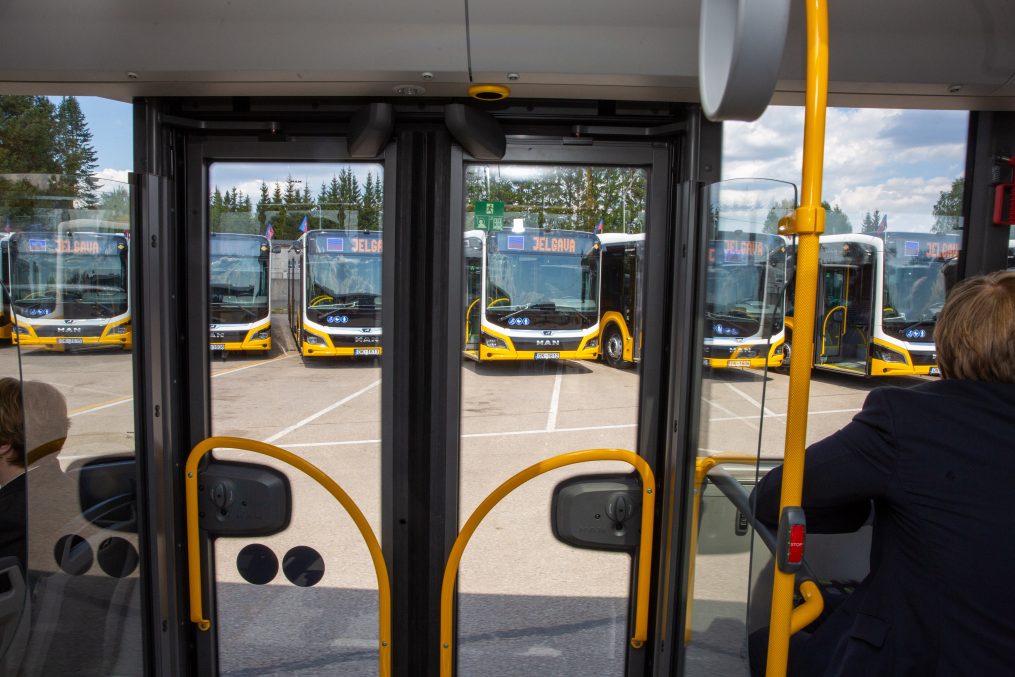
The Path to Zero Emissions
Despite the purchase of hybrid technology, Jelgava remains a frontrunner in the Latvian transition to green energy. Approximately 12 per cent of the city’s passenger transport is already handled by fully electric buses. The city is also looking toward the future of hydrogen propulsion. Through the “H2Value” project, JAP is currently testing a Toyota Caetano hydrogen-powered bus to evaluate its performance in real-world urban conditions.
The long-term strategy for Jelgava involves a gradual phase-out of fossil-fuel reliance. The city plans to continue expanding its zero-emission fleet as further EU funding becomes available and as the results of current hydrogen and electric trials are finalised. For now, the 10 new MAN hybrids provide a necessary upgrade to the passenger experience, offering modern safety features and improved comfort for commuters across the city’s network.
Source: Jelgavas valstspilsētas pašvaldība
Article contextPeople & topics1#5
What do you think about this article?
Reader Ideas Newsroom
Have a sharper angle for this topic? Add it to the community idea board and let readers vote it up for editorial review.
/linkComments
8+ useful words can earn +10-60 DP; shorter replies can still publish without DP.