Lithuania Secures Data for €4.5m Electronic Road Toll Overhaul

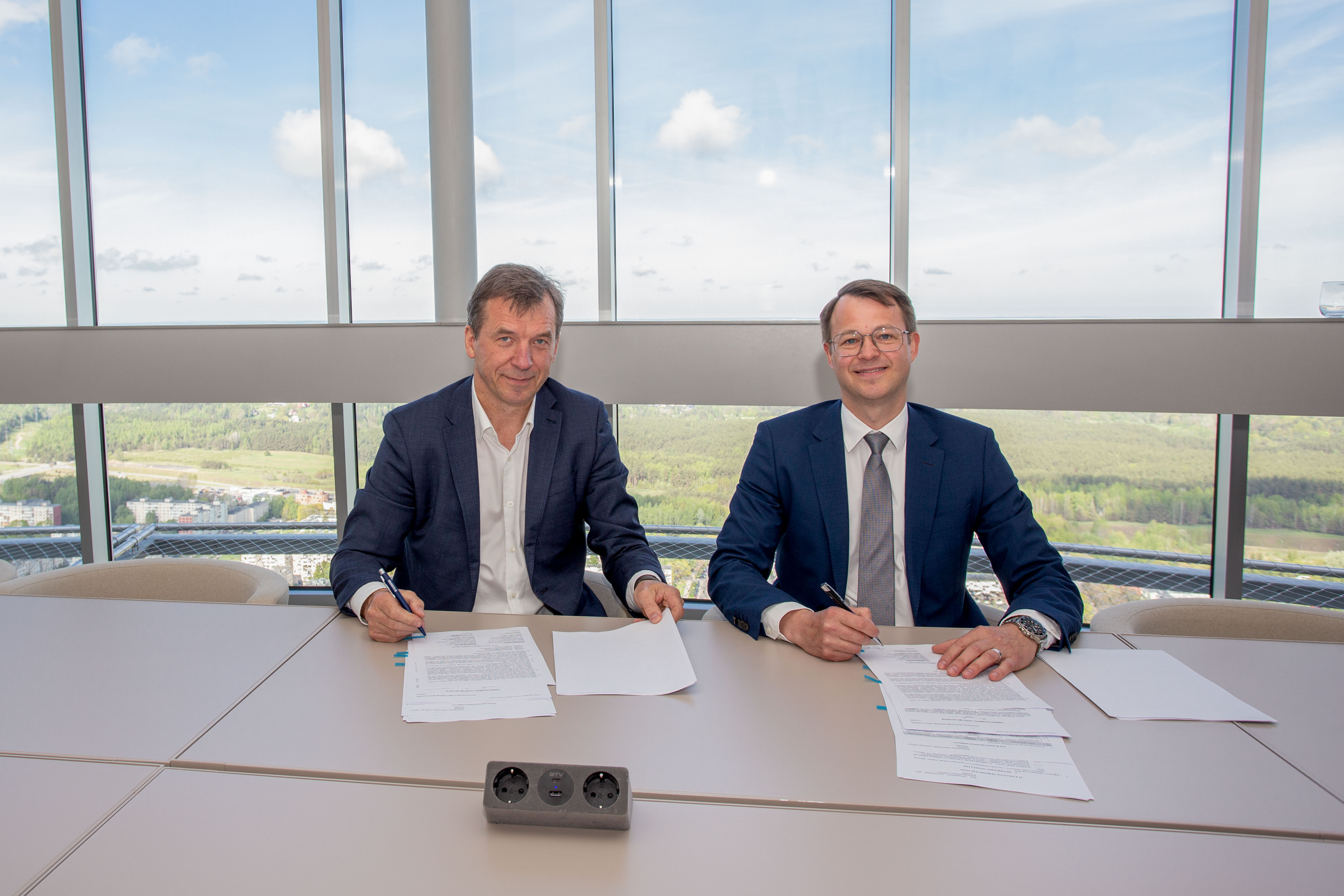
Lithuania has reached a critical milestone in its transition toward a modernised transport infrastructure, securing a €4.5 million data management partnership to anchor its upcoming electronic road tolling system. The state-owned road manager, Via Lietuva, has officially signed a contract with the Lithuanian Radio and Television Centre (Telecentras) to host and protect the vast amounts of data generated by the new distance-based charging model.
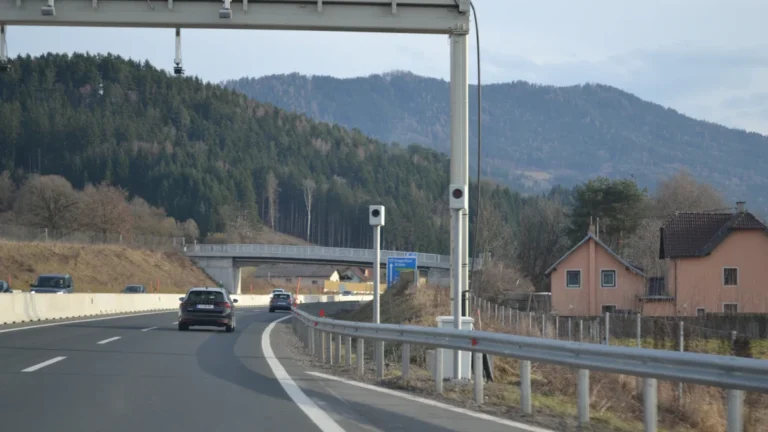
This agreement marks a shift from administrative planning to technical execution for a project that will fundamentally change how commercial transport operates within the Baltic transit corridor. By 2027, the current time-based vignette system will be replaced by a sophisticated electronic tolling framework that tracks actual distance travelled, requiring a robust digital backbone to handle real-time vehicle data, payment information, and user credentials.
The Digital Infrastructure: A €4.5 Million Security Shield
The partnership with Telecentras is not merely a storage agreement but a strategic move to ensure national security compliance. The data will be housed in a Tier III-certified state data centre, representing the highest standard of reliability available in the country. For international logistics firms and local hauliers, this certification translates to a guarantee of 99.982% uptime and rigorous data redundancy.

| Project Milestone | Detail / Value |
|---|---|
| Contract Value | €4.5 million (excluding VAT) |
| Contract Duration | 2 years (with a 1-year extension option) |
| System Launch Date | January 1, 2027 |
| Toll Road Network | Over 2,800 km |
| Data Security Level | Tier III Reliability Standard |
Martynas Gedaminskas, CEO of Via Lietuva, emphasised that the selection of a state-owned partner was driven by the need for an infrastructure that meets national security requirements. The system will manage sensitive information regarding vehicle categories M2, M3, and N1 through N3, ensuring that the transition to “pay-as-you-go” road usage is both accurate and secure.
Shifting from Time to Distance: The Economic Rationale
The move to a distance-based system aligns Lithuania with broader European Union transport trends. Currently, heavy vehicle operators purchase vignettes for specific time periods (day, week, month, or year), regardless of how many kilometres they actually cover. This model often fails to account for the actual wear and tear inflicted on the road network by high-frequency users.
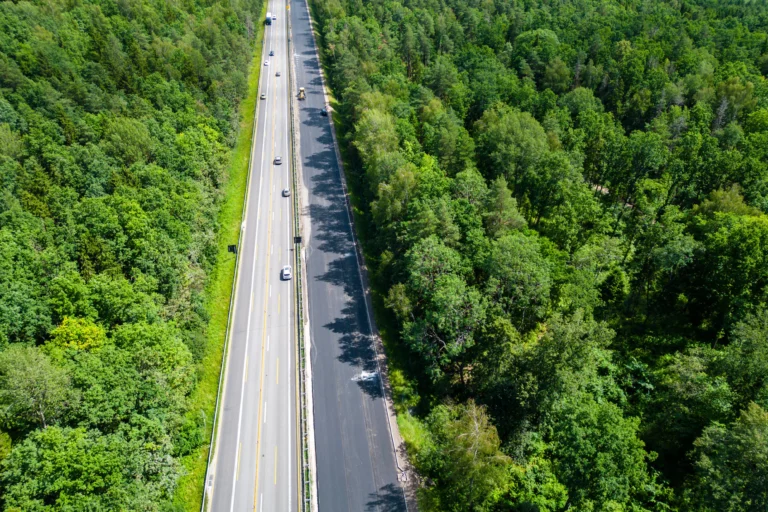
Starting in 2027, the new system will calculate tolls based on the actual distance driven on the 2,800 km of tolled national roads. This “user-pays” principle is designed to distribute the costs of road maintenance more equitably. It is important to note that for the general public, the status quo remains: private passenger cars (Category M1) will continue to be exempt from road user charges under the current legislative framework.
Technical Implementation and Scalability
Telecentras is tasked with preparing a large-scale IT infrastructure across two separate state data centres to ensure geographical redundancy. According to Remigijus Šeris, head of Telecentras, the project involves complex cloud solutions and container management platforms to allow the tolling system to scale during peak traffic periods.

This technical preparation is vital because the system must process data from thousands of heavy vehicles simultaneously without latency. The infrastructure will support the software licenses and IT solutions necessary to transition from physical or digital stickers to a fully integrated GNSS (Global Navigation Satellite System) or DSRC (Dedicated Short-Range Communications) compatible environment.
Looking Toward 2027
As Via Lietuva manages over 21,000 km of national roads and 1,500 bridges, the revenue generated from the new tolling system is expected to be a primary driver for future modernisation projects. The next two years will be dedicated to testing the server environments and ensuring the software can handle the rigorous demands of international transit traffic.
For transport professionals, the lead-up to 2027 will require a review of fleet management systems to ensure compatibility with Lithuania’s new digital tolling requirements. While the €4.5 million contract secures the data, the broader success of the project will depend on the seamless integration of this technology into the daily operations of the European logistics network.
Original reporting by: elta
Source: ELTA

Comments