Šiauliai Residents Get Free Pool Access in New Health Partnership

Residents in Šiauliai are gaining access to premium wellness facilities without the city spending millions on construction. This year, the municipality has allocated over €300,000 to fund more than 23,000 free swimming pool visits for targeted groups, prioritizing long-term health over brick-and-mortar investments.
By partnering with the private sector rather than building a state-owned facility, the city has bypassed the massive overhead costs typically associated with leisure infrastructure. This model allows the local government to redirect funds directly into service provision, ensuring that those most at risk of chronic illness receive immediate support.
Eligibility and Access for Šiauliai Residents
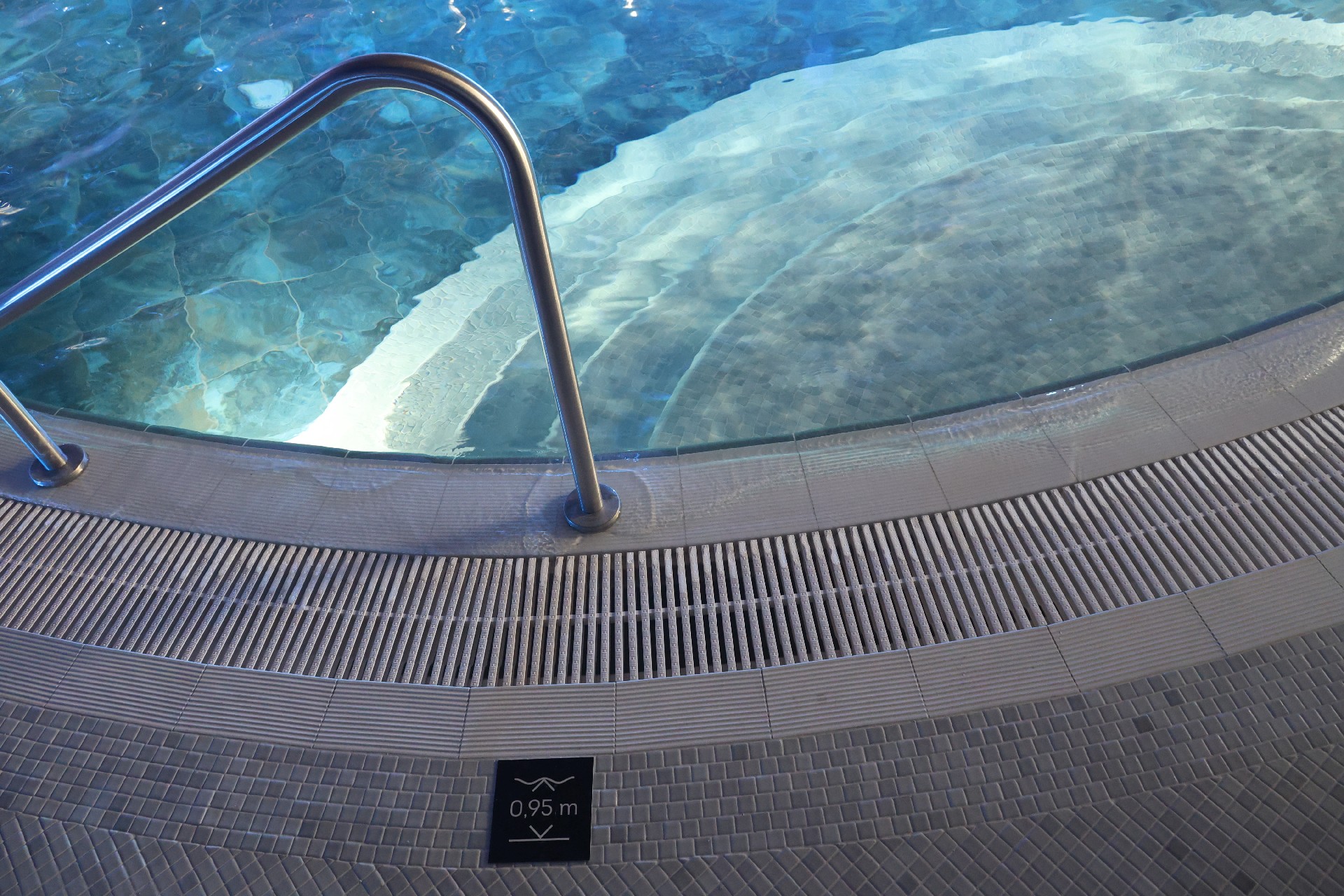
The free pool services are not a general giveaway but a targeted health intervention. The program is specifically designed for residents who fall into categories where physical activity is a clinical necessity. Access is currently provided at the “Tichė vandens namai” pool, with the Šiauliai City Municipal Public Health Bureau overseeing the administration.

Who is eligible for the free sessions?
- Health Program Graduates: Individuals who have completed formal health strengthening programs focused on the prevention of cardiovascular diseases and diabetes.
- High-Risk Groups: Residents identified by specialists as having significant health risk factors, including high blood pressure, elevated cholesterol or glucose levels, and those struggling with obesity or being overweight.
- Social Prescription Participants: Seniors of retirement age who are participating in “Social Prescription” initiatives. This program encourages older adults to engage in social and physical activities to combat loneliness and improve emotional well-being.
The Public-Private Partnership Model
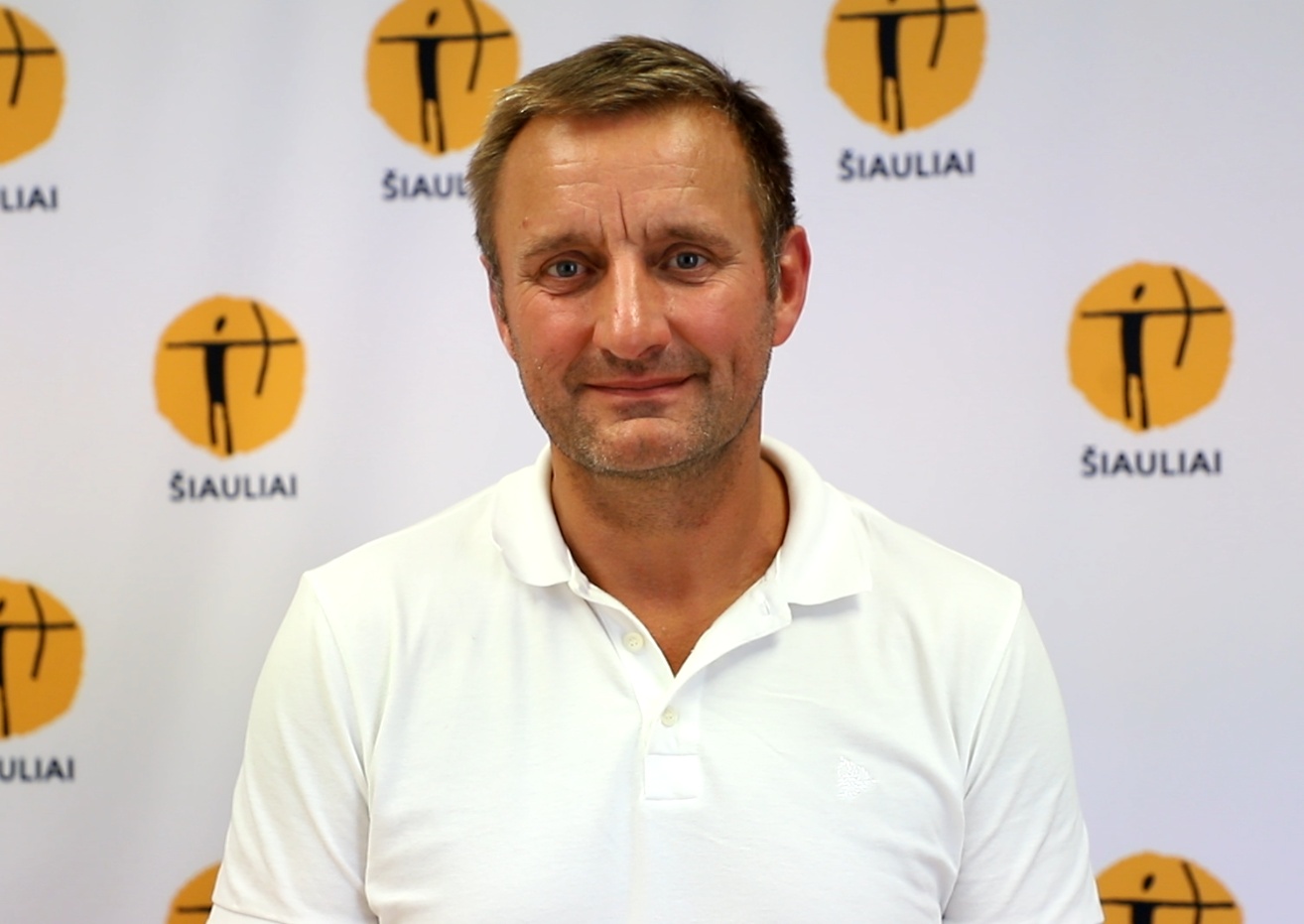
The strategy marks a significant shift in how local governments in the region approach public services. Šiauliai City Mayor Artūras Visockas describes the initiative as a “100% optimal synergy” between public and private funds. By utilizing an existing private facility, the city avoids the multi-million euro price tag of building a new pool, as well as the ongoing maintenance and staffing costs that often drain municipal budgets.
“The city did not need to build a pool costing millions; this investment was made by private business,” Mayor Visockas noted. “A portion of the funds we would have spent on maintaining our own pool can now be spent directly on the health of our residents and the prevention of the most common diseases.”
The Mayor has suggested that this model should be examined at the national level by the Ministry of Health and the Ministry of Social Security and Labour as a potential blueprint for other Lithuanian municipalities facing similar infrastructure gaps.
A Smarter Approach to Municipal Health Spending
This initiative reflects a broader trend in European public health known as “Social Prescribing,” a concept well-known in the UK’s NHS but still maturing in Eastern Europe. By prescribing physical activity in a professional setting, the municipality aims to reduce the long-term burden on the healthcare system.
Investing in preventative measures like swimming—which is low-impact and accessible for those with mobility issues or chronic pain—is viewed as a cost-saving measure in the long run. The goal is to create a healthier, more active community that requires fewer emergency medical interventions for lifestyle-related conditions like Type 2 diabetes or heart disease.
Moving Toward a National Standard
The success of the Šiauliai model is being watched closely across Lithuania. As local councils struggle with rising energy costs and the high price of maintaining public buildings, the shift toward service-based funding rather than asset-based funding offers a sustainable alternative.
For the residents of Šiauliai, the immediate benefit is a tangible improvement in quality of life. For the rest of the country, it serves as a case study in how municipal innovation can bridge the gap between limited public budgets and the growing need for accessible health and wellness infrastructure. The Šiauliai City Public Health Bureau will continue to coordinate these activities, ensuring that the 23,000 visits are distributed effectively to those who will benefit most from regular aquatic exercise.
Source: ELTA




Comments