Queen Silvia to Visit Vilnius as Nursing Hospital Wins European Innovation Award

In a formal ceremony held at the Bulgarian resort of Varna, the European Spas Association (ESPA) recently gathered the continent’s leaders in medical rehabilitation and wellness to crown the most forward-thinking projects of the year. Amidst stiff competition from established wellness hubs, the top prize in the “Innovative SPA Concept” category was awarded to a facility that is redefining the boundaries between healthcare and hospitality: the Addere Care nursing hospital in Vilnius, Lithuania.
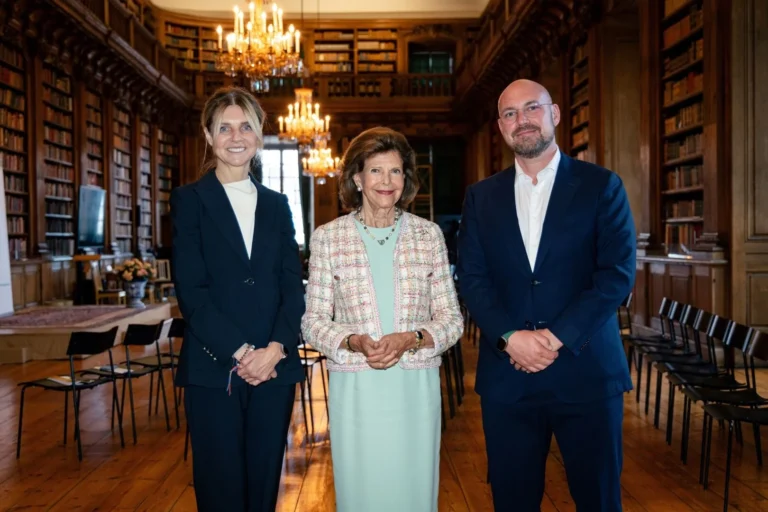
This international recognition comes just days before the facility prepares for its most high-profile guest. On May 18, Queen Silvia of Sweden is scheduled to visit the new hospital, marking a significant milestone for the Baltic nation’s healthcare sector and its growing reputation for specialized elderly care.
A New Standard for Long-Term Care in the Baltics
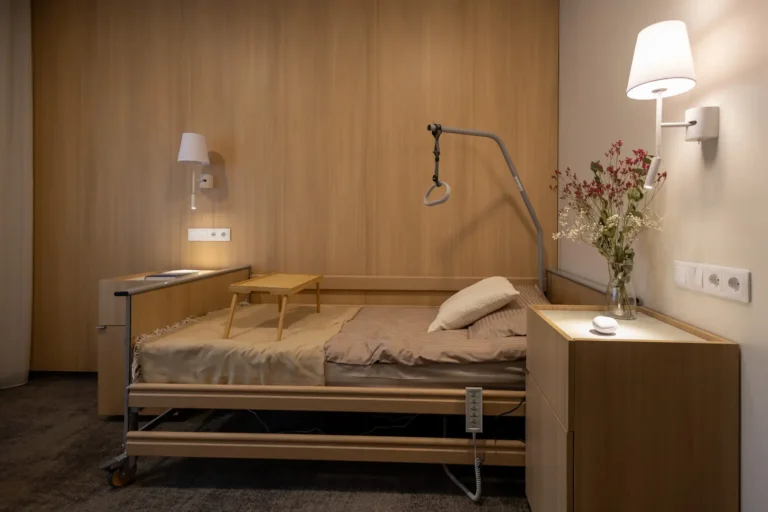
The award highlights a shift in how long-term nursing is approached in Eastern Europe. For decades, the sector was characterized by sterile, institutional environments. The Addere Care project, however, was recognized for its “person-centered” environment, which integrates resortology and emotional well-being into the daily medical routine of its residents.

According to Kristina Judinė, the director of Addere Care, the accolade is a validation that a holistic approach to health is the necessary direction for the future. The facility was designed to eliminate the “hospital feel,” replacing it with an atmosphere more akin to a home or a high-end wellness retreat. This transition is not merely aesthetic; it is a strategic attempt to reduce the psychological stress often associated with long-term clinical stays, thereby improving patient outcomes and maintaining the dignity of the elderly.
The Swedish Influence and Royal Patronage
The upcoming visit by Queen Silvia is not a mere diplomatic courtesy. The Queen has been a lifelong advocate for dementia care and person-centered nursing through her various foundations, most notably Silviahemmet. Addere Care has maintained a close partnership with Swedish organizations since its inception, adopting Swedish nursing methodologies that emphasize the preservation of dignity at all stages of life.

This cross-border collaboration has allowed Lithuania to leapfrog traditional institutional models. By implementing these Swedish standards, the Vilnius facility provides a blueprint for how aging societies can manage the complex needs of dementia patients. The Queen’s presence at the opening serves as a formal endorsement of these standards being successfully transplanted and adapted to the Lithuanian context.
Redefining the ‘Institutional’ Environment
The architectural and conceptual design of the hospital was led by hospitality expert Eglė Rukšėnaitė and architect Jurgita Masiukaitė. Their goal was to create an “emotionally safe” space where architecture serves the patient’s dignity. The concept utilizes natural resources such as forest therapy and mineral water—elements typically reserved for luxury spas—and applies them to a clinical setting.

This hybrid model is particularly relevant as Europe faces an aging population crisis. The ESPA Innovation Awards jury noted that the project stands out for its holistic view of human health and its commitment to sustainability, creating a unique patient experience that leverages the healing power of nature.
Preparing for the Royal Visit and Future Expansion
As Vilnius prepares for the royal delegation, the organization is already looking toward its next phase of development. While the new Vilnius hospital and its Palliative Care Day Center on Minsko Highway are the current focus, the original Addere Care facility in Trakai is slated for a major transformation.
Following the opening of the Vilnius site, the Trakai hospital will be reorganized into a specialized dementia care center. This move will further solidify the network’s role as a leader in specialized geriatric medicine, combining the award-winning “spa-concept” design with high-level medical intervention for those with complex cognitive needs. The integration of medicine, innovation, and hospitality remains the core mission as the network expands across Lithuania.
Source: BNS


Comments