Queen Silvia of Sweden to Open Vilnius Nursing Hospital
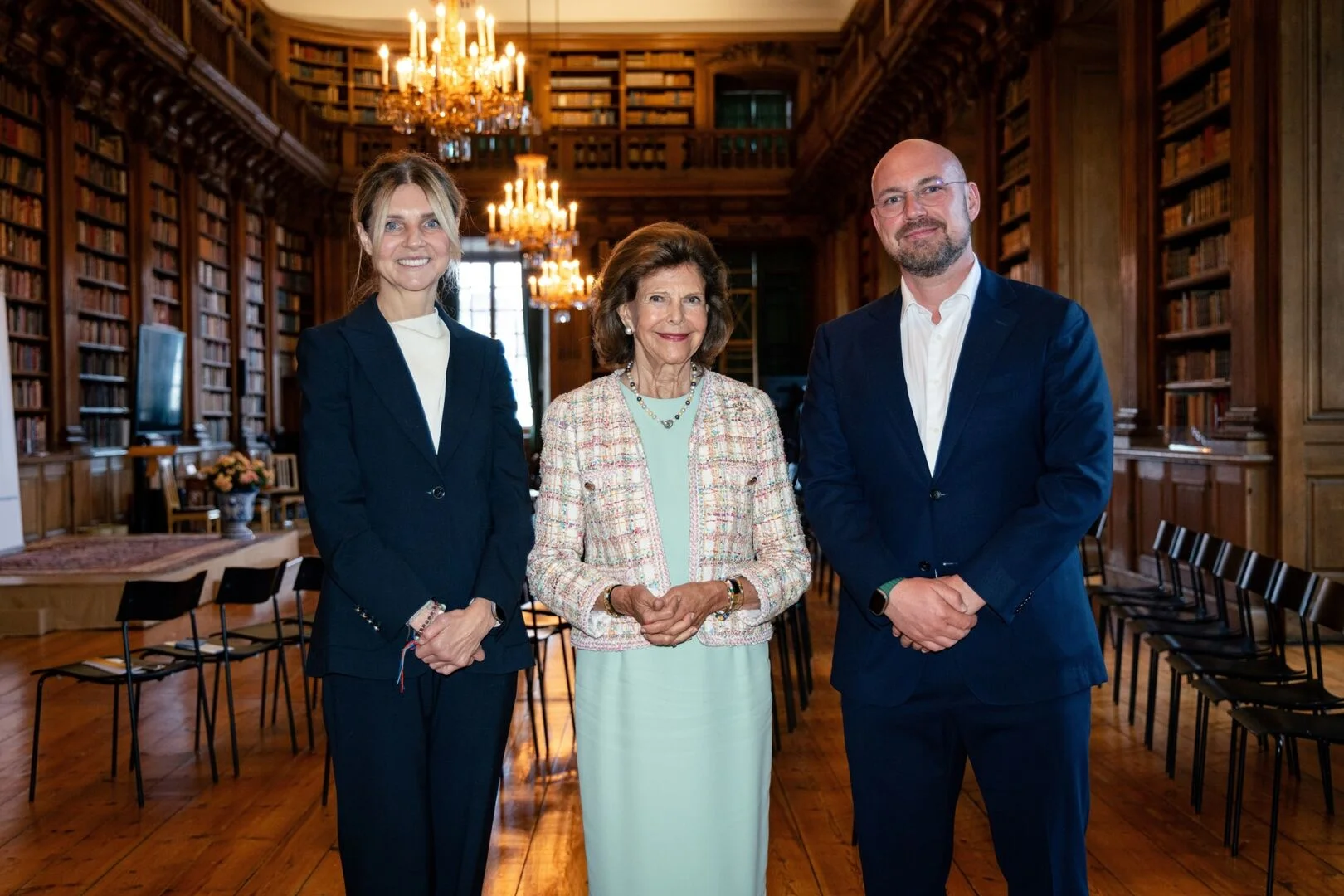
The arrival of a royal figure often signals more than just a ceremonial ribbon-cutting. In Vilnius, the upcoming visit of Queen Silvia of Sweden to the new Addere Care nursing hospital marks a pivotal moment for healthcare in the Baltic region. The Queen, a long-standing global advocate for dignified elderly care, is travelling to the Lithuanian capital to endorse a fundamental shift in how the country treats its most vulnerable citizens.
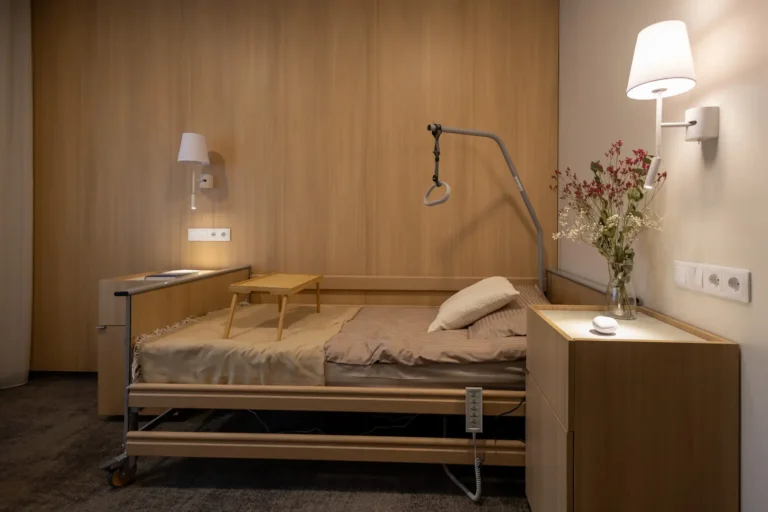
For Kristina Judinė, the founder and director of Addere Care, the royal visit is a validation of years of effort to import a more compassionate philosophy of care. The new facility, located on Minsko Highway in a meticulously reconstructed former hotel, is designed to look and feel less like a clinical ward and more like a modern wellness retreat. This aesthetic choice is intentional, reflecting a broader move away from the sterile, institutionalised nursing models of the past.
A Royal Seal for Person-Centered Care
Queen Silvia’s involvement is deeply rooted in her personal history and her professional mission. Having witnessed her own mother’s struggle with dementia, the Queen founded the Silviahemmet organisation in 1996. Today, it is one of Europe’s most respected authorities on dementia care. Her visit to Vilnius is not merely a diplomatic gesture but a direct show of support for the “person-centered” care model that Addere Care is implementing.
“The fact that Queen Silvia accepted our invitation is a huge encouragement,” says Kristina Judinė. “She has spent decades initiating changes in dementia care in Sweden. She understands the courage and persistence required to change a culture. This visit shows her genuine involvement and sincere support for our mission to change the nursing culture in Lithuania.”

The Swedish Blueprint for Dignity
The partnership between the Vilnius facility and Swedish experts is more than symbolic. Addere Care is currently the only organisation in the Baltic States to hold the Silviahemmet certificate. This means every staff member, regardless of their specific role, undergoes rigorous training in communication and care techniques developed in collaboration with specialists from the Karolinska University Hospital.
The methodology focuses on four pillars: symptom control, teamwork, support for relatives, and communication. In practice, this translates to a care environment where patients are not defined by their diagnoses. Instead, the emphasis is on maintaining the individual’s dignity and providing them with choices until the very end of life—a concept that has historically been overlooked in the post-Soviet healthcare landscape.
Redefining the Nursing Environment in Vilnius
The physical space of the new hospital reflects this philosophy of respect. With a capacity for 170 residents, the facility includes a nursing centre and a palliative care day centre. By repurposing a hotel, the designers have prioritised natural light, comfortable common areas, and an atmosphere of tranquility.

Judinė notes that for many years, the dream of dignified nursing care remained out of reach for many Lithuanians. “Dignity is primarily associated with the opportunity to choose and to be seen as a person,” she explains. “It is about not imposing what others think is best, but seeing the person with love and respect, especially when they are suffering from dementia or other serious illnesses.”
Fostering Innovation Through Global Recognition
Beyond the walls of the new hospital, the collaboration extends to the professional development of the nursing workforce. Addere Care organises the “Queen Silvia Nursing Award” in Lithuania, an international prize for nurses and nursing students who propose innovative ideas for the field.
By elevating the prestige of the nursing profession, the initiative aims to attract new talent to a sector that is under increasing pressure due to Europe’s ageing population. The Queen’s presence in Vilnius serves as a reminder that the challenges of elderly care are universal, and the solutions often lie in cross-border cooperation and the sharing of best practices.

As Vilnius prepares for the royal opening, the focus remains on the long-term impact: a new standard of care that treats the elderly not as patients to be managed, but as individuals to be honoured.
Original reporting by: bns
Source: BNS



Comments