Student Health Checks in Lithuania: How to Beat the Autumn Rush
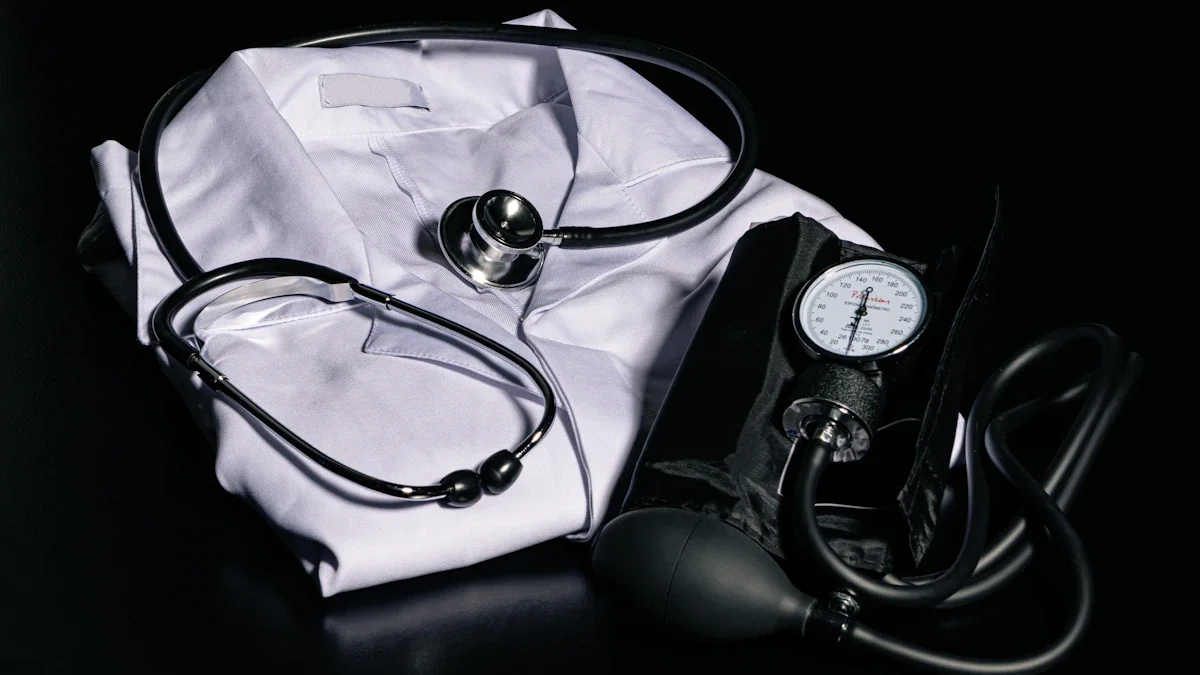
As the school year draws to a close and families begin planning their summer holidays, a recurring administrative task looms for parents and guardians in Lithuania: the mandatory annual health check for students. While the deadline technically aligns with the start of the new academic term in September, health officials are urging families to utilize the summer months to avoid the inevitable bottleneck at clinics.
In Lithuania, every child attending a pre-school or school-level educational institution, as well as adult students in general education programs, must undergo a comprehensive health assessment once a year. This requirement is not merely a formality; it is a critical public health measure designed to monitor the development of the nation’s youth and ensure that any emerging health issues are addressed before they impact a student’s ability to learn.
The Summer Window: Why Early Booking Matters
The primary reason for the mid-summer push is logistical. According to specialists from the National Health Insurance Fund (VLK), medical facilities undergo a shift in rhythm during the summer, often with more flexible scheduling. Conversely, as September approaches, registration slots for family doctors and dentists become increasingly scarce.
“Health checks are frequently left to the last minute,” explains Diana Prochorova, a senior specialist at the VLK. “By planning visits to the family doctor and dentist in advance, parents can find more convenient times and even coordinate both appointments on the same day. This proactive approach ensures that students can enter the new school year without the stress of pending medical documentation.”

What the Comprehensive Assessment Includes
The annual check-up is a multi-faceted evaluation that goes beyond a simple physical. For younger children (up to age 4), doctors specifically monitor psychomotor development. For all students, the assessment includes:
- Physical Metrics: Measurement of height, weight, and arterial blood pressure.
- Sensory and Structural Health: Evaluation of vision, hearing, and the musculoskeletal system (posture and gait).
- Mental and Nutritional Wellness: A review of mental health status, as well as hygiene and nutritional habits.
- Dental Health: A mandatory inspection by a dentist to assess jaw and tooth condition.
If the family doctor identifies any irregularities during these checks, the patient is issued a referral for specialist consultations or further diagnostic tests. The resulting Electronic Student Health Certificate also includes vital information for schools, such as necessary first-aid measures for students with known allergies or chronic conditions.
The Role of Dental Preventative Care
A significant portion of the annual requirement is the dental examination. Beyond checking for cavities, dentists use this time for preventative treatments. For children under the age of 14, permanent molars can be covered with silants—a protective coating that helps prevent decay. Professional oral hygiene and fluoride applications are also common components of these visits, providing a level of preventative care that reduces the need for more invasive procedures later in life.

Navigating the System and Costs
For those registered with a healthcare provider that has an agreement with the National Health Insurance Fund, these annual checks are provided free of charge, funded by the Compulsory Health Insurance Fund (PSDF). The scale of this program is substantial; in 2025, nearly 463,000 children received health certificates, with the state health fund allocating approximately €5.8 million to cover these preventative services.
Once the assessment is complete, the certificate is filled out electronically. Parents and guardians can access this information and verify the status of their child’s health record by logging into the Electronic Government Gateway (Elektroniniai valdžios vartai). This digital system ensures that schools have immediate access to the necessary health data without the need for paper forms, provided the check-up has been completed within the last 12 months.
Source: BNS
Source check Public Health Advisory
Based on official statements from the Lithuanian National Health Insurance Fund regarding mandatory student health protocols.
- Verified mandatory nature of student health certificates in Lithuania
- Confirmed the role of the National Health Insurance Fund (VLK) in funding
- Cross-referenced the digital certificate system requirements
- Source
- bns
- Scope
- Lithuania
- Updated
- 2026-05-19 07:02
Source check
Report a trust issue
Send a clear signal to community moderation if the source, facts or context need review.



Comments