Paris Announces Major Urban Redesign to Prioritise Pedestrians and Cleanliness

The City of Paris has unveiled a comprehensive strategic framework aimed at overhauling the capital’s public spaces. The new policy focuses on five core priorities designed to improve daily life for residents and visitors by enhancing cleanliness, safety, and accessibility. This initiative marks a significant shift in the city’s approach to urban management, moving toward a more coordinated and pedestrian-centric model that addresses the friction between different road users and the physical state of the streets.
Central to the plan is the concept of “universal accessibility,” ensuring that the city’s infrastructure serves all demographics, including the elderly, people with disabilities, and families with young children. The municipal government has committed to a series of large-scale interventions, ranging from the treatment of problematic urban “black spots” to the expansion of pedestrian-only zones and the introduction of high-speed public transport corridors.
Strategic Priorities for Urban Renewal
The municipal strategy is built upon five pillars that will guide all future public works and maintenance. A primary focus is the de-cluttering of pavements. By removing unnecessary obstacles and better regulating commercial use of the streets, the city aims to ensure that footpaths remain clear for those with reduced mobility. This is coupled with a new requirement for the coordination of construction sites. Both public and private works must now adhere to stricter scheduling and management rules to minimise disruption to local residents and businesses.
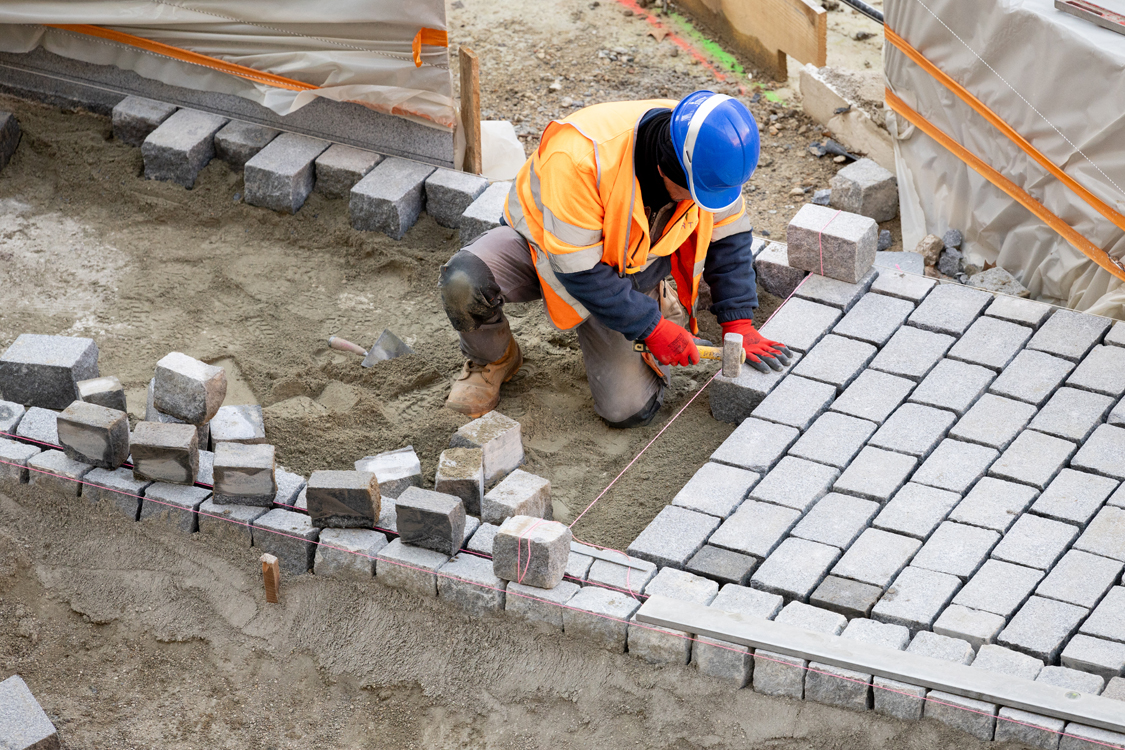
To address the visual and physical state of the city, Paris will implement a targeted cleanliness drive. This includes the identification and treatment of 1,000 “black spots”—specific locations across the city that suffer from chronic littering, illegal dumping, or poor maintenance. These areas will receive priority attention from municipal services to restore them to acceptable standards.
| Initiative | Target Metric |
|---|---|
| Priority “Black Spots” to be Treated | 1,000 locations |
| New Pedestrian Hearts (Cœurs Piétons) | 80 zones |
| Continuous Seine Bank Promenade | 25 kilometres |
| New Express Bus Lines | 15 routes |
| Specialised Safety Brigade | Focus on motorised violence |
Mobility and Safety Enhancements
The redesign places a heavy emphasis on safety and the reduction of “motorised violence.” A specialised brigade will be tasked with enforcing traffic laws and protecting vulnerable road users at intersections. This safety-first approach is integrated into the plan for 80 new “pedestrian hearts”—neighbourhood zones where foot traffic takes precedence over vehicles, creating safer environments for children and the elderly.
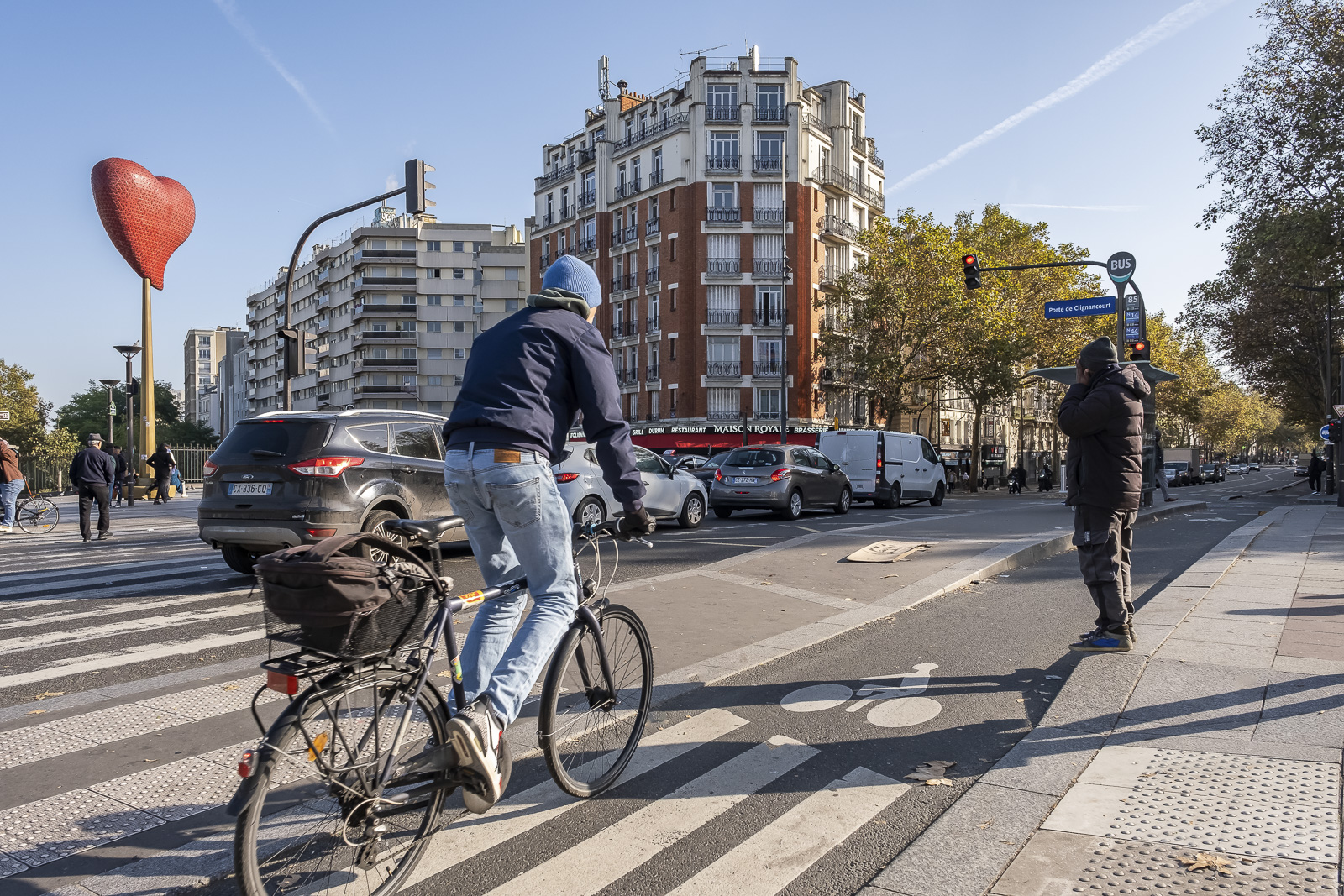
Public transport is also set for a significant upgrade with the creation of 15 express bus lines. These routes will benefit from dedicated infrastructure to ensure speed and reliability, providing a viable alternative to private car use. Furthermore, the city will extend the continuous promenade along the banks of the Seine to 25 kilometres, further integrating the river into the daily commute and leisure activities of Parisians.
Aesthetic Standards and Heritage Protection
Beyond functionality, the city is introducing a “right to beauty” (droit au beau). A new position, the General Delegate for Design and Aesthetics, has been created to oversee the visual harmony of the city. This role will involve the publication of a “Manifesto of Beauty,” a reference document that sets clear standards for the quality of materials used in public works, the design of urban furniture, and the preservation of historical heritage.
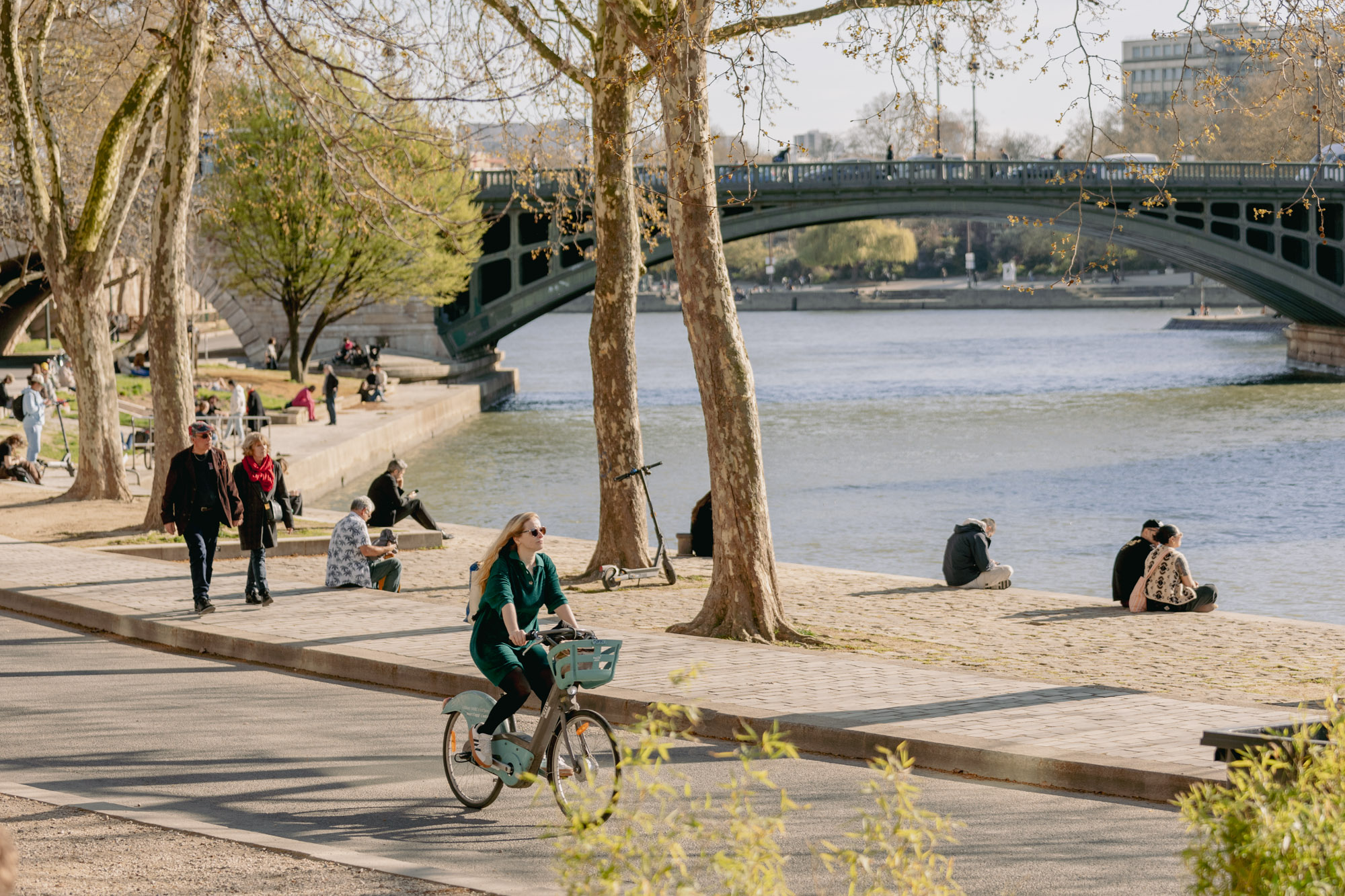
This aesthetic focus extends to the “bioclimatic city” concept, which seeks to adapt Paris to the challenges of climate change. This includes the deployment of urban furniture specifically designed for children and the integration of more green spaces to mitigate the heat island effect. The goal is to create a city that is not only functional but also resilient and visually coherent, protecting both its historical identity and its future liveability.
Implementation and Future Outlook
The rollout of these policies will involve a closer partnership between the central City Hall and individual district (arrondissement) authorities. This decentralised approach is intended to ensure that the specific needs of different neighbourhoods are met, particularly regarding the 1,000 priority black spots.
In the coming months, residents can expect to see the first results of the new construction coordination rules and the initial deployment of the express bus network. The city also plans to revise existing regulations regarding street displays and terraces to ensure they align with the new aesthetic and accessibility standards. By prioritising the “daily experience” of the street, Paris aims to set a new international standard for how a historic capital can evolve into a modern, accessible, and clean urban environment.
Source: Mairie de Paris


Comments