Liverpool women develop illness a decade earlier than national average
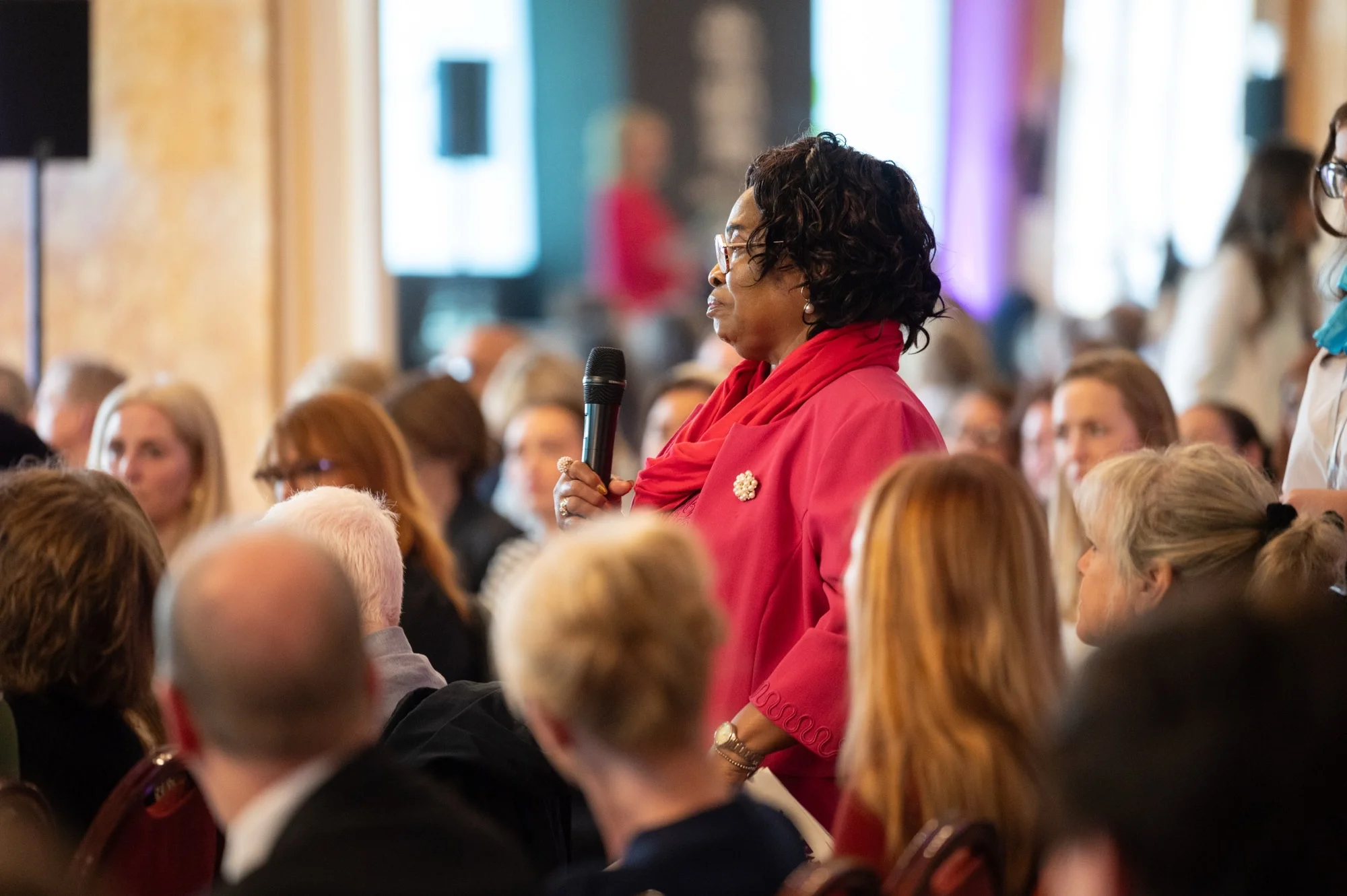
Women in Liverpool are spending significantly more of their lives in poor health compared to the rest of the country, with many developing chronic illnesses ten years earlier than the national average. This stark data served as the foundation for the Women’s Health Conference held this week, where Liverpool City Council and NHS leaders met with community advocates to address a growing health inequality gap that sees local women spend approximately 30% of their lives in ill health.
Statistical health gap in Liverpool
The health outcomes for women in the city reveal a persistent divide. Beyond the ten-year acceleration of illness, women in Liverpool are more likely to die early from preventable causes, with the inequality gap between the city and the national average wider for women than it is for men. The data highlights that these outcomes are not merely biological but are heavily influenced by the social and economic environment of the region.
Specific health crises are particularly acute in the city. Drug-related deaths among women in Liverpool are more than three times the England average. Mental health is another escalating concern, with depression affecting roughly 17% of all women in the city, a figure that rises to nearly 30% for those in midlife. Preventable risk factors, including smoking, obesity, and alcohol use, continue to drive avoidable illness across all age groups.
Socioeconomic drivers of poor health
Participants at the conference identified that health inequality is inextricably linked to the lived reality of residents. Women in Liverpool are statistically more likely to experience poverty, insecure employment, and the burden of unpaid caring responsibilities. These factors, combined with the long-term cumulative effects of trauma, create a cycle of physical and mental health decline that begins early in the life course.
Councillor Rahima Farah, Assistant Cabinet Member for Health, Wellbeing, and Culture, noted that these experiences are further fractured by ethnicity, disability, and migration status. Women from diverse communities often face additional barriers, ranging from language difficulties and cultural expectations to direct discrimination within the healthcare system, leaving many feeling unsupported when they are at their most vulnerable.
Barriers to gynaecology and specialist care
A recurring theme from women across the city is the feeling of being dismissed by medical professionals. Many report that they do not feel listened to or believed when seeking help for female-specific conditions. This has led to under-diagnosis or poor management of issues such as endometriosis, menstrual health, and menopause-related symptoms.
Systemic issues within the NHS also contribute to these poor outcomes. Waiting times for gynaecology services in Liverpool remain among the longest of any medical specialty. These fragmented pathways and long delays often mean that by the time a woman receives a diagnosis, her condition has progressed, further impacting her quality of life and ability to work or care for her family.
Collaborative strategy for systemic change
The conference marked the beginning of a coordinated effort to apply a “women’s health lens” across all public services. This approach acknowledges that the health system cannot solve these issues in isolation. Future progress depends on sustained collaboration between the NHS, local government, housing providers, and the voluntary sector.
Councillor Liam Robinson, Leader of Liverpool City Council, stated that the city is committed to making practical, measurable changes by treating women as experts in their own lives. This sentiment was echoed by Dr. Fiona Lemmens of NHS Cheshire and Merseyside, who emphasized the responsibility of system leaders to improve access to timely care and strengthen early intervention throughout a woman’s life.
Focus on delivery and healthy ageing
As women make up an increasing proportion of Liverpool’s older population, the city is shifting its focus toward healthy ageing. This includes targeting preventable illnesses such as cardiovascular disease, respiratory disease, and cancers, which currently contribute to the high mortality rates in the region.
Professor Matt Ashton, Director of Public Health, indicated that the current phase of work is focused strictly on delivery rather than just data collection. By integrating the insights of community organizations and peer support networks—which many women cited as their most trusted sources of help—the city aims to build a more equitable health infrastructure that addresses the root causes of the 10-year gap.
Source: Liverpool City Council




Comments