In a crisis, whether it is a sudden cardiac arrest on a busy street or a severe injury at home, the actions taken in the first few minutes are often the most critical. Recognizing that professional medical help cannot always arrive instantly, Lithuania has launched a significant national initiative to transform its citizens into a resilient network of first responders.
The National Public Health Center (NVSC), under the Ministry of Health, is spearheading a project designed to train 20,000 residents in essential life-saving skills. This €1.2 million investment aims to bridge the gap between an accident occurring and the arrival of an ambulance, ensuring that bystanders have the confidence and competence to intervene effectively.
The Four Pillars of Emergency Response
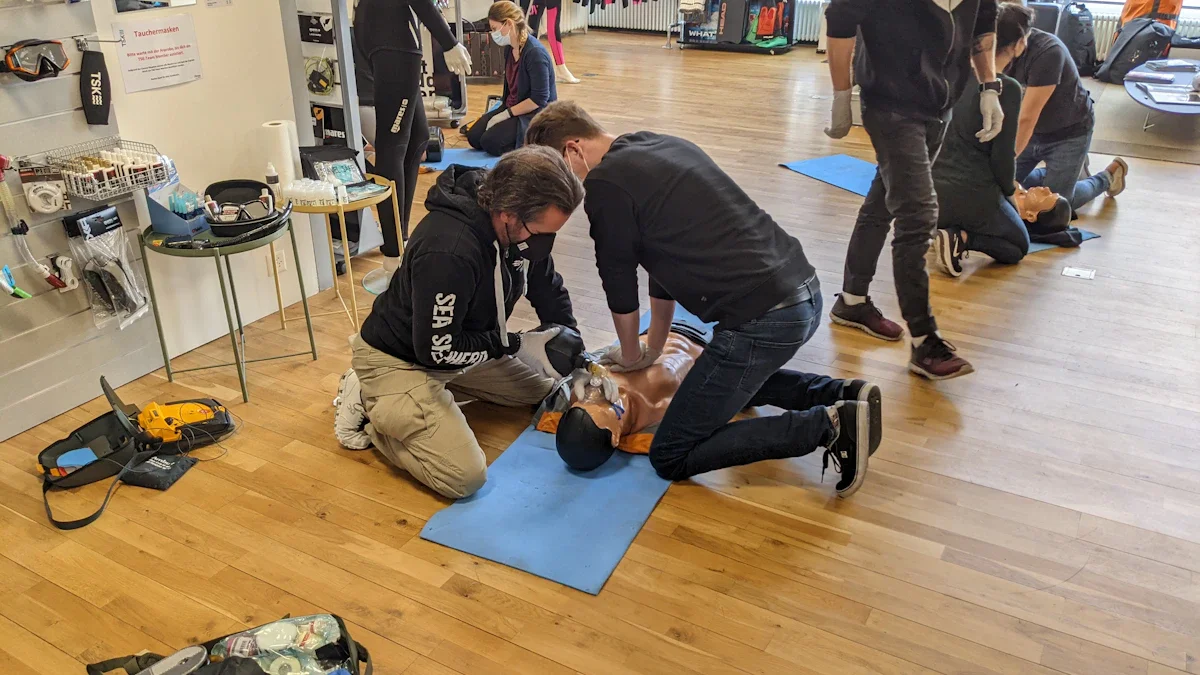
The training program is not merely a theoretical lecture; it focuses on practical, hands-on skills that are most likely to save lives in common emergencies. Participants, who must be at least 16 years old, will be trained in four specific areas:
- Bleeding Control: Learning how to apply pressure and use tourniquets to stop life-threatening hemorrhages.
- Resuscitation (CPR): Mastering the techniques of chest compressions and rescue breathing to maintain blood flow to the brain during cardiac arrest.
- Choking Prevention: Identifying the signs of airway obstruction and performing the Heimlich maneuver or back blows.
- First Psychological Aid: A modern addition to emergency training, focusing on how to stabilize a person’s emotional state during a traumatic event.
Laimutė Vaidelienė, Lithuania’s Vice-Minister of Health, emphasizes that while many people want to help, a lack of practical knowledge often leads to hesitation. “Accidents and sudden health disorders happen unexpectedly,” she notes. “The help provided in those first minutes often determines whether a life will be saved.”
Building Psychological Resilience
One of the most innovative aspects of this initiative is the inclusion of psychological support. In the chaos of an emergency, panic and disorientation can be as debilitating as physical injury. The training will teach residents how to recognize emotional reactions, communicate effectively with people in shock, and provide initial emotional support.
This approach acknowledges that a crisis affects the mind as much as the body. By training citizens to help stabilize the emotional atmosphere of a scene, the program aims to reduce long-term psychological trauma for both victims and witnesses, ultimately strengthening the overall resilience of the community.
A Strategic Investment in Public Health
The project is funded through the 2021–2027 European Union Funds Investment Program, with a total budget of nearly €1.2 million. This is viewed not just as a training cost, but as a long-term investment in national safety.
By increasing “health literacy”—the ability of individuals to gain, process, and understand basic health information—the government hopes to create a more responsible and proactive society. When citizens feel prepared, they are significantly more likely to step forward during a crisis rather than remaining passive observers.
How the Program Will Roll Out
The training sessions are designed to be accessible to a broad demographic, targeting anyone from teenagers to seniors. By focusing on practical simulations, the NVSC ensures that the skills are “muscle memory” rather than just academic knowledge.
For those living in or visiting Lithuania, this program represents a shift toward a “citizen-responder” model. While the project is local, the principles align with global efforts by organizations like the Red Cross and St John Ambulance to decentralize emergency care and empower the general public.
As the program progresses, the goal is to see a measurable decrease in preventable deaths and a marked increase in the number of successful resuscitations performed by bystanders before paramedics reach the scene.
Original reporting by: elta
Source: ELTA
Article contextPeople & topics1#5
What do you think about this article?
Reader Ideas Newsroom
Have a sharper angle for this topic? Add it to the community idea board and let readers vote it up for editorial review.



/linkComments
8+ useful words can earn +10-60 DP; shorter replies can still publish without DP.