Lithuania to Localize Ukrainian Defense Production in Strategic Security Shift
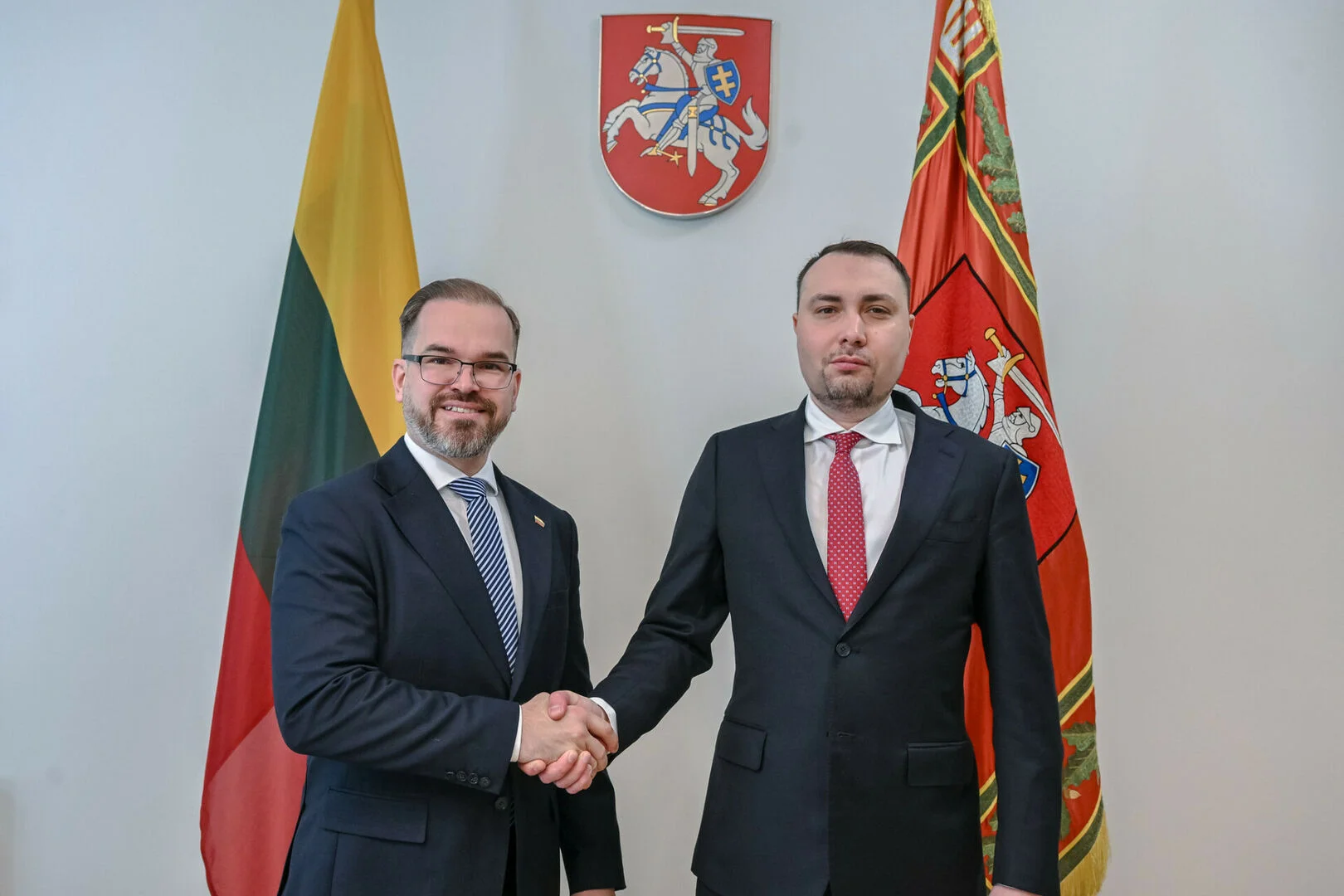
Lithuania has announced a significant strategic initiative to host and localize Ukrainian defense manufacturing within its borders. This move, aimed at enhancing regional security and industrial resilience, follows a high-level meeting in Vilnius between Lithuanian Defense Minister Robertas Kaunas and Kyrylo Budanov, the Head of the Ukrainian Presidential Administration. The discussions centered on the practical integration of Ukrainian combat-tested technology into the Lithuanian defense sector, marking a shift toward a more proactive industrial partnership.
The localization of the Ukrainian defense industry is viewed as a mutually beneficial arrangement. For Lithuania, it offers direct access to cutting-edge military innovations developed under the pressures of active warfare. For Ukraine, it provides a secure environment for production and development, shielded from the immediate logistical challenges of the frontline. Minister Kaunas highlighted that the “daily lessons of war” provided by Ukraine are invaluable for modernizing Lithuania’s own defensive capabilities.
Strengthening Regional Defense Through Industrial Localization
The core of the new strategy involves moving beyond simple procurement toward a model of joint production and technological exchange. By establishing manufacturing hubs for Ukrainian defense equipment in Lithuania, the government aims to create a more robust supply chain that can withstand prolonged regional instability. This industrial localization is expected to cover various sectors, including drone technology, electronic warfare systems, and ammunition production, although specific product lines remain under discussion.
Minister Kaunas noted that the integration of these technologies is not merely about hardware but about the rapid adaptation of military doctrine. The ability to produce and iterate on equipment based on real-time feedback from the Ukrainian front is seen as a critical advantage in the current security climate of the Baltic region.
Integrating Real-World Combat Lessons into National Security
A significant portion of the bilateral talks focused on the concept of “total defense.” This policy dictates that a nation’s security is not solely the responsibility of the armed forces but requires the mobilization of all state resources and the active participation of the citizenry. Lithuania is increasingly looking to Ukraine’s experience as a blueprint for this model.
The transition from theoretical defense planning to practical, crisis-ready operations is now a top priority for the Lithuanian Ministry of National Defense. This involves refining the ability of state institutions to function under the conditions of hybrid or conventional warfare. The meeting underscored that the most reliable response to modern threats is a society that is fully prepared and integrated into the national defense framework.
Focus on Critical Infrastructure and Civil Preparedness
The protection of critical infrastructure was another key agenda item. Kyrylo Budanov shared practical examples from Ukraine’s ongoing efforts to safeguard its energy grid, communication networks, and public services against persistent attacks. These insights are being used to inform Lithuania’s own infrastructure resilience plans.
The Lithuanian government is placing a renewed emphasis on civil defense, aiming to bridge the gap between military operations and civilian safety. This includes better coordination between different government branches and ensuring that public services can continue without interruption during a national emergency. The goal is to create a seamless system where the military and civilian sectors work in tandem to maintain state functionality.
Lithuania’s support packages for Ukraine are also being refined to align more closely with the specific needs of the Ukrainian Armed Forces. By focusing on the most urgent requirements, such as air defense and long-range capabilities, Lithuania ensures that its aid has the maximum possible impact on the ground. The ongoing dialogue between Kaunas and Budanov signals a long-term commitment to a shared security architecture.
Source: BNS



Comments