
Vilnius is embarking on a significant infrastructure project to fortify its energy security before the arrival of the next heating season. The city’s energy ecosystem manager, “Gijos,” has announced a €9 million investment dedicated to the reconstruction of nearly 9 kilometres of the capital’s heating network. This proactive measure aims to modernize aging infrastructure and ensure a more reliable supply of heat to residents during the harsh Lithuanian winter.
The project is a response to the increasing vulnerability of the city’s vast underground network. Spanning 778 kilometres, the Vilnius centralized heating system is the largest and, due to the city’s undulating terrain, the most complex in Lithuania. As the infrastructure in several key districts has surpassed the 50-year mark, the risk of corrosion, heat loss, and emergency pipe bursts has become a strategic concern for municipal planners.
Project Scope and Practical Impact
The reconstruction works are scheduled to take place across eight major districts. Residents and businesses in these areas should prepare for temporary disruptions, including traffic restrictions and scheduled hot water outages. To minimize the impact on daily life, the utility provider is utilizing mobile boiler rooms and temporary bypass piping where possible.
| Feature | Project Details |
|---|---|
| Total Investment | €9 Million |
| Total Pipeline Renewal | 8.8 Kilometres |
| Affected Districts | Antakalnis, Šnipiškės, Lazdynai, Žirmūnai, Žvėrynas, Naujamiestis, Vilkpėdė, Šeškinė |
| Maximum Water Outage | Up to 5 consecutive days per phase |
| Infrastructure Age | 50+ years (prioritized sections) |
| Notification Methods | SMS, Email, and Official Website Updates |
Modernizing a Soviet-Era Legacy
Much of the current infrastructure was laid half a century ago, utilizing technology that is now considered inefficient by modern European standards. The new pipelines being installed represent a significant technological leap. These “new generation” pipes feature superior thermal insulation, which drastically reduces heat loss during transit from the heat source to the consumer’s home.
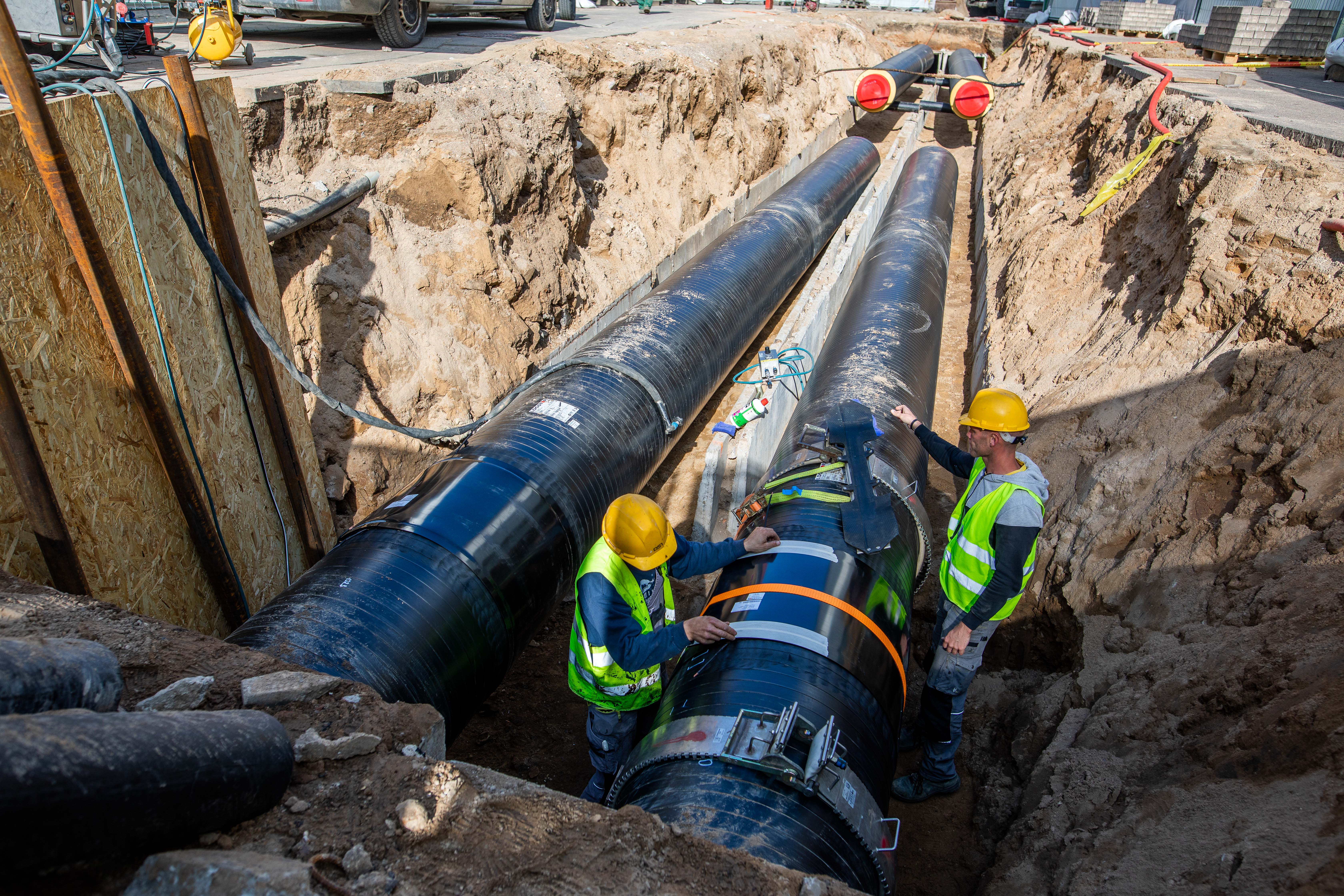
Beyond insulation, the new system includes integrated fault control sensors. These digital monitoring systems allow engineers to identify potential leaks or structural defects with precision, often before they lead to a full-scale emergency. Andrius Agintas, Head of the Infrastructure Team at “Gijos,” emphasized that the consistency of these annual investments is vital for the long-term stability of the city’s energy ecosystem. “Kilometre by kilometre, we are renewing this essential part of the city’s energy heart,” Agintas stated, noting that the previous winter’s performance confirmed the necessity of these upgrades.
Navigating Temporary Disruptions
The complexity of the work is compounded by the location of the pipes, which often weave through narrow residential courtyards, beneath busy arterial roads, and through the basements of apartment blocks. Consequently, the cooperation of local residents is essential, particularly regarding temporary parking restrictions and access for heavy machinery.
According to Rūta Jasiulionienė, Head of the Client Team at “Gijos,” the company is prioritizing transparent communication to manage expectations. Meetings have already been held with residents in courtyards where work has commenced. While the temporary loss of hot water is an inconvenience, the company argues it is a necessary trade-off for a winter without unexpected heating failures. Residents are encouraged to check the specific schedules for their addresses on the official municipal energy portal to plan accordingly for the five-day maintenance windows.
Source: ELTA
Source check Municipal Infrastructure Report
Based on official press releases from the Vilnius energy management company regarding planned 2024 infrastructure upgrades.
- Confirmed the €9 million budget allocation for the 2024 reconstruction phase.
- Verified the list of eight affected districts against municipal planning documents.
- Cross-referenced technical specifications of pre-insulated piping systems used in Baltic d...
- Source
- elta
- Scope
- Vilnius, Lithuania
- Updated
- 2026-05-19 08:16
Source check
Report a trust issue
Send a clear signal to community moderation if the source, facts or context need review.
Article contextPeople & topics#5
What do you think about this article?
Reader Ideas Newsroom
Have a sharper angle for this topic? Add it to the community idea board and let readers vote it up for editorial review.



/linkComments
8+ useful words can earn +10-60 DP; shorter replies can still publish without DP.