Lithuania Launches National Citizenship Exam Amid Security Focus: key details
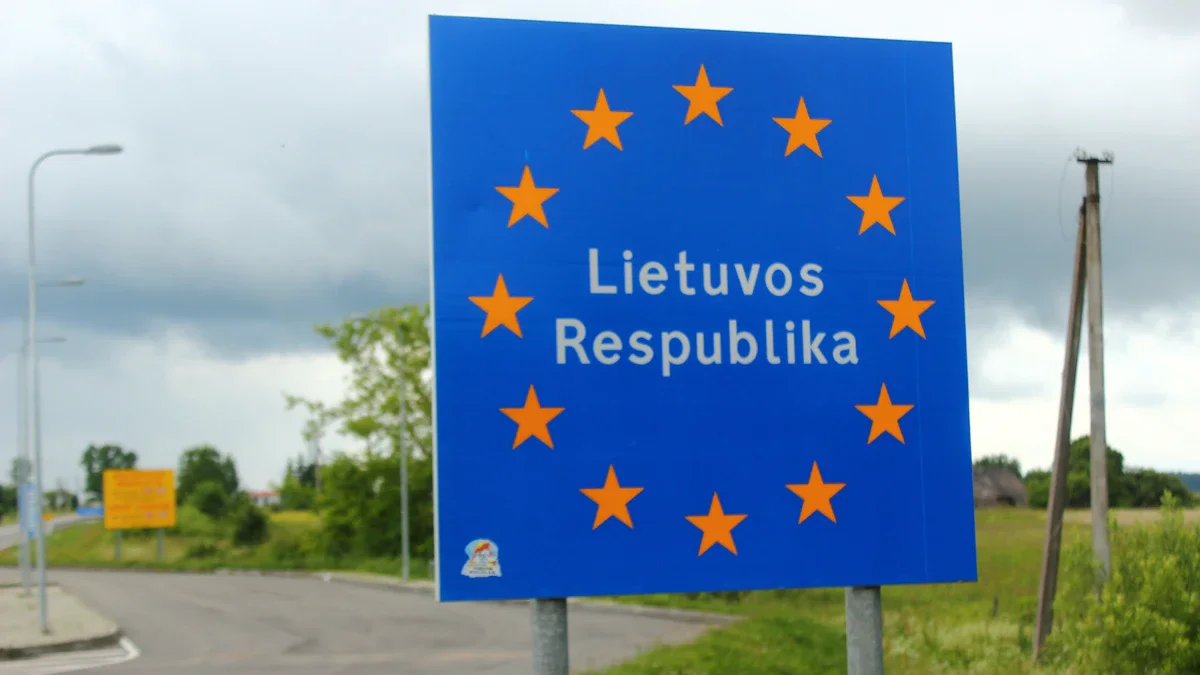
Lithuania has officially launched its annual National Citizenship Exam (Pilietiškumo egzaminas), a high-profile initiative designed to test the civic knowledge and national preparedness of its population. The challenge, which opened this morning, is available to all citizens and residents, including the significant Lithuanian diaspora living in the United Kingdom and across Europe. Participants have until 6:00 PM Lithuanian time (4:00 PM GMT) today to complete the digital assessment.
Organized by the Ministry of National Defence in collaboration with the Department of Mobilization and Civil Resistance, the exam is more than a simple history quiz. It serves as a vital tool for national resilience, gauging how well the public understands the country’s democratic foundations, its security alliances, and the practicalities of civil defense in an increasingly complex geopolitical environment.
Participation Details and Immediate Deadlines
The exam is hosted on a dedicated digital platform, accessible to anyone with an internet connection. The organizers have emphasized that the window for participation is narrow, urging those who wish to test their knowledge to act immediately. The platform, pilietiskumoegzaminas.lt, is designed to handle a high volume of simultaneous users, reflecting the widespread national interest in the event.

While the exam is a voluntary challenge, it carries significant weight in Lithuanian public life. Schools, government institutions, and private organizations often encourage collective participation. For the Lithuanian community in the UK, the exam represents a unique opportunity to maintain a tangible connection with their homeland’s civic duties and to stay informed about the evolving expectations of Lithuanian citizenship.
Strengthening Civil Resistance Through Knowledge
The involvement of the Ministry of National Defence and the Department of Mobilization and Civil Resistance highlights the strategic importance of this initiative. In the context of the ongoing security situation in Eastern Europe, Lithuania has pioneered the concept of “total defense.” This doctrine suggests that national security is not the sole responsibility of the armed forces but depends on an informed and prepared citizenry.

Questions in the exam typically cover a broad spectrum of topics, including the Lithuanian Constitution, the history of the independence movement, and the country’s role within NATO and the European Union. Crucially, the assessment also includes practical scenarios related to mobilization and civil resistance—knowledge that the government deems essential for every citizen to possess in the event of a national crisis. By participating, residents are not only testing their memory of facts but are also engaging with the fundamental principles of how a democratic state functions under pressure.
A Model for Civic Engagement in the Baltic Region
Lithuania’s approach to civic education is increasingly being viewed as a model for other nations seeking to bolster social cohesion and national identity. Unlike standard naturalization tests found in other countries, the National Citizenship Exam is an ongoing annual check-up for the entire population. It fosters a culture of continuous learning and reminds citizens that their rights are inextricably linked to their responsibilities.

For readers in the UK, where debates over national identity and civic education are frequent, the Lithuanian example offers a glimpse into how a nation can use digital infrastructure to mobilize public consciousness. The exam serves as a reminder that in the modern era, being a “good citizen” involves a proactive effort to understand the mechanisms of statehood and the collective actions required to protect democratic values. As the 6:00 PM deadline approaches, the Ministry of National Defence continues to call on all who love their country to step forward and take the challenge.
Source: Kėdainių miesto savivaldybė




Comments