Will the Met Office issue an amber warning before Monday morning?
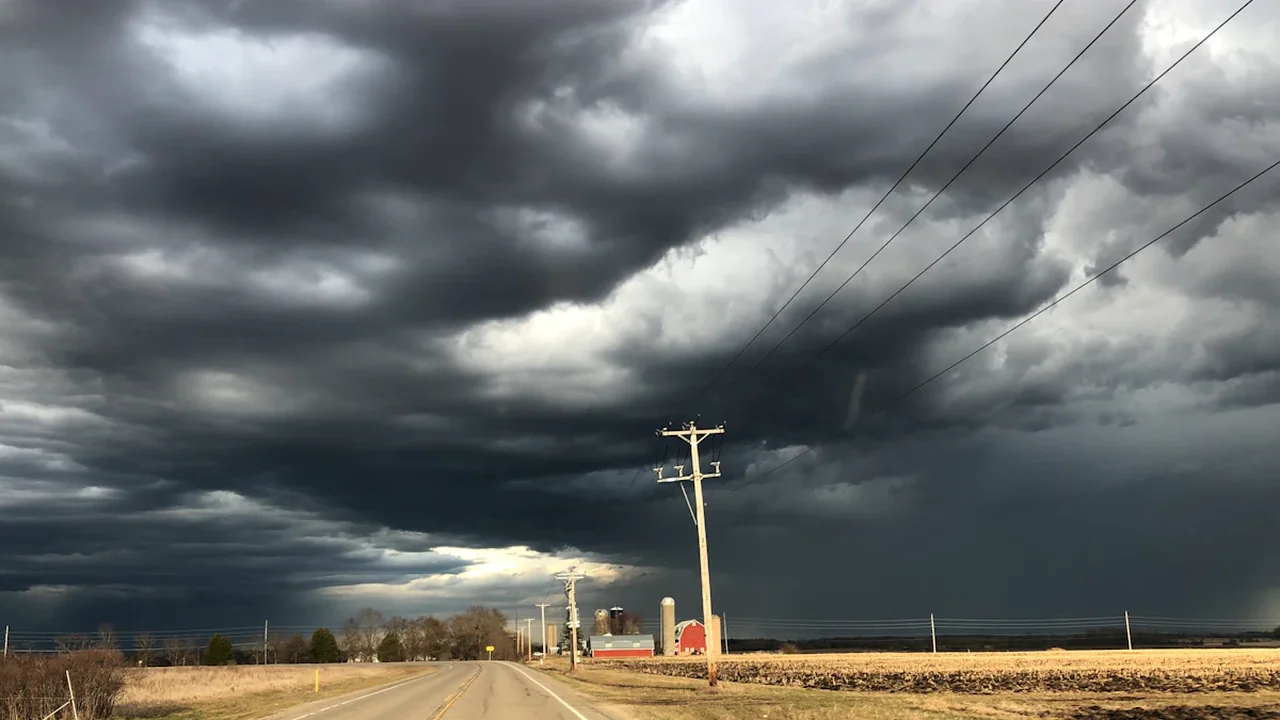
As atmospheric conditions across the United Kingdom fluctuate, residents and commuters are increasingly looking toward official Met Office channels to gauge the potential for severe weather. The central question for those planning their travel and school routines for the start of the new week is whether an amber weather warning will be issued by the national meteorological service before Monday morning. Understanding the distinction between warning levels is essential for effective personal and professional planning.
The Essentials: Forecast Parameters
To provide clarity for those navigating the upcoming week, the following criteria define the current forecast status regarding potential severe weather alerts:
| Feature | Details |
|---|---|
| Forecast Question | Will the Met Office issue an amber warning before Monday morning? |
| Resolution Criteria | YES if an amber warning is published on the official Met Office website by 06:00 AM on Monday. |
| Primary Source | The official Met Office UK warnings page. |
| Resolution Deadline | 06:00 AM, Monday morning. |
Understanding the Amber Threshold
The Met Office utilizes a tiered warning system designed to communicate the severity of weather events to the public. While yellow warnings are relatively frequent and serve as a “be aware” signal, an amber warning represents a significant escalation in risk. When the Met Office upgrades a forecast to amber, it indicates that the weather conditions are expected to be severe enough to cause widespread disruption.
For the general public, an amber warning is a clear signal that travel delays are likely, and there is a heightened risk of power cuts and potential damage to property. For school administrators and parents, this threshold often triggers internal reviews of transport safety and site accessibility. The transition from yellow to amber is not merely a change in color on a map; it is a shift in the expected impact on daily life, requiring individuals to adjust their routines and exercise increased caution.
The Science of Risk Communication
Official warnings are formulated through a rigorous assessment of two primary factors: the likelihood of the weather event occurring and the severity of its potential impact on the population and infrastructure. The Met Office continuously monitors atmospheric models, satellite data, and ground-level observations to refine these forecasts.
Because weather systems can evolve rapidly, the Met Office updates its warnings in real-time. This means that a region currently under a yellow warning could be upgraded to amber if new data suggests a higher probability of severe impacts. Residents are encouraged to check the Met Office warnings guide directly. Relying on third-party aggregators or social media reports can lead to outdated information; the official portal remains the only definitive source for active alerts. If no amber warning appears on the official site by the Monday morning deadline, it indicates that the current meteorological models do not support the threshold for high-impact disruption.

Practical Implications for Travel and Schools
Regardless of whether an amber warning is officially issued, the period leading into Monday morning is a critical time for contingency planning. If you are planning travel, it is standard practice to monitor the forecast at least 24 hours in advance. Should official weather warnings be active for your specific area, the Met Office advises that you should evaluate the necessity of your journey.
For those who must travel, preparation is key. This includes identifying alternative routes, ensuring mobile devices are fully charged, and keeping an eye on local transport operator updates. For school settings, the impact of an amber warning often involves assessing the safety of school transport routes and the integrity of site facilities. By staying informed through official channels, residents can mitigate the risks associated with sudden changes in weather conditions.
Navigating Uncertainty in Forecasts
It is important for readers to recognize that weather forecasting involves inherent uncertainty. Even when models show a high probability of severe weather, the exact path and intensity of a storm can shift. The Met Office provides these warnings to ensure the public has the best possible information to make informed decisions.
If you are checking the status on Sunday evening, remember that the situation may change overnight. A forecast that appears stable at 8:00 PM may be updated by 4:00 AM if new data arrives. By checking the official portal close to your departure time, you ensure that your planning is based on the most current meteorological evidence available. If the deadline passes without an amber alert, it suggests that while conditions may be unsettled, they are not expected to reach the high-impact threshold that would necessitate widespread emergency measures.
Source: Met Office
Source check Forecast Monitoring
This article tracks the issuance of Met Office amber warnings based on official public data.
- Check the official Met Office warnings page for the latest status.
- Monitor the 06:00 AM Monday deadline for any new updates.
- Source
- Met Office UK Warnings
- Scope
- United Kingdom
- Updated
- 2026-06-09 07:36
Source check
Report a trust issue
Send a clear signal to community moderation if the source, facts or context need review.

Comments