Lithuania Proposes 50% Bus Fare Cut to End Transport Inequality
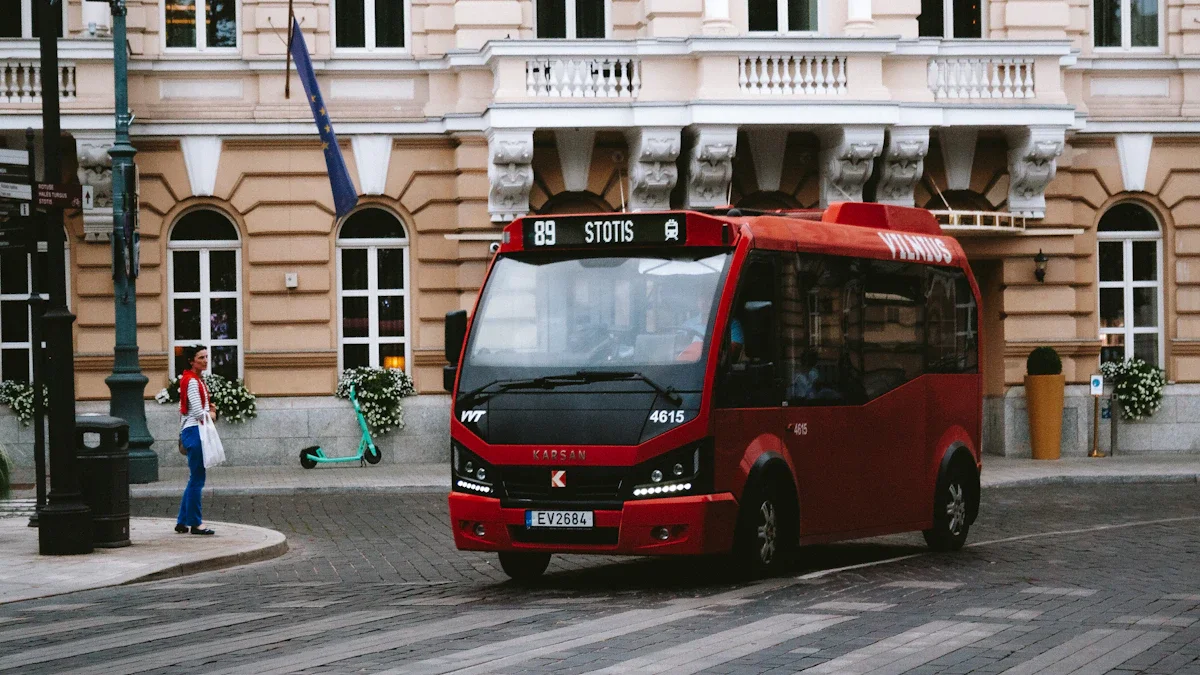
A significant shift in Lithuania’s public transport policy is underway as the Seimas (Parliament) prepares to debate a proposal that could halve the cost of suburban bus travel. The move, spearheaded by MP Tomas Tomilinas of the Union of Democrats “For Lithuania,” aims to rectify what critics call a “discriminatory” subsidy system that currently favors rail passengers over those who rely on the country’s extensive bus network.
The proposed amendments to the Law on Public Passenger Transport seek to introduce a temporary 50% discount for all residents traveling on suburban bus routes. This would bring bus travel in line with existing subsidies for train journeys, which have been in place to help citizens navigate the ongoing cost-of-living crisis and volatile energy markets.
Bridging the Gap Between Rail and Road
The central argument for the legislative change rests on a stark disparity in passenger numbers and infrastructure access. According to data cited by the Ministry of Transport and Communications, approximately 6 million passengers benefited from discounted train fares during the recent monitoring period. However, during that same timeframe, nearly 26 million trips were made by bus—four times the volume of rail travel.
MP Tomilinas argues that the current system effectively penalizes those living in regions without rail connectivity. “The Ministry says that almost 6 million passengers traveled by train and used the discount, but about 26 million people were transported by bus at the same time,” Tomilinas stated. “Those who do not have a convenient train system near their homes are reasonably outraged and feel discriminated against by such a privilege.”
For many rural and suburban residents in Lithuania, buses are not a choice but a necessity. While the rail network connects major hubs like Vilnius, Kaunas, and Klaipėda, hundreds of smaller settlements rely exclusively on regional bus services for commuting to work, accessing healthcare, and reaching educational institutions.
Economic Relief Amid Rising Fuel Costs
The timing of the proposal is tied directly to the economic fallout from geopolitical instability in Eastern Europe. With fuel prices reaching historic highs and remaining unpredictable, the cost of operating private vehicles has become a significant burden for Lithuanian households.

By subsidizing public transport, the government aims to encourage a shift away from private cars, reducing the financial pressure on families while simultaneously addressing environmental goals. The proposal specifies that these discounts would remain temporary, staying in effect until the “fuel crisis in the east” is managed and energy prices return to more predictable levels.
This approach mirrors broader European trends, where nations like Germany and Spain have experimented with heavily subsidized or even free public transport to combat inflation and promote sustainable travel. For Lithuania, the challenge lies in ensuring that these benefits are distributed equitably across different modes of transport.
The Legislative Path to Cheaper Travel
If the Seimas approves the amendments, the responsibility will shift to the Government to establish a robust compensation mechanism. The draft legislation mandates that the Government must prepare and submit a revised Budget Act by this autumn. This revision would outline how municipalities—which oversee suburban transport contracts—will be reimbursed for the lost revenue resulting from the 50% fare reduction.
Critics of the plan are expected to raise questions regarding the long-term fiscal impact on the national budget, especially as the country balances defense spending and other social obligations. However, proponents argue that the social and economic benefits of keeping the workforce mobile and reducing transport poverty outweigh the immediate budgetary costs.
The debate scheduled for the opposition agenda in the Seimas will be the first major hurdle for the bill. Should it pass, suburban commuters across Lithuania could see their travel costs halved before the end of the year, marking one of the most significant expansions of transport subsidies in the country’s post-independence history.
Source: BNS
Source check Legislative Tracking
This report is based on an official press release from the Lithuanian Seimas regarding proposed amendments to the Law on Public Passenger Transport.
- Confirmed the passenger volume statistics (6m train vs 26m bus) cited by the bill's author...
- Verified the political affiliation of MP Tomas Tomilinas with the Union of Democrats 'For...
- Cross-referenced the legislative timeline regarding the autumn budget revision requirement...
- Source
- bns
- Scope
- Lithuania
- Updated
- 2026-05-19 10:06
Source check
Report a trust issue
Send a clear signal to community moderation if the source, facts or context need review.


Comments