EU Housing Crisis: 60% Price Surge Sparks New Policy Strategies

The housing market across the European Union has reached a critical tipping point. Over the last decade, residential property prices have surged by more than 60%, a figure that far outstrips the growth in supply. This widening gap between demand and availability has prompted EU housing ministers to convene in Nicosia, Cyprus, to hammer out a strategy for sustainable and affordable living.
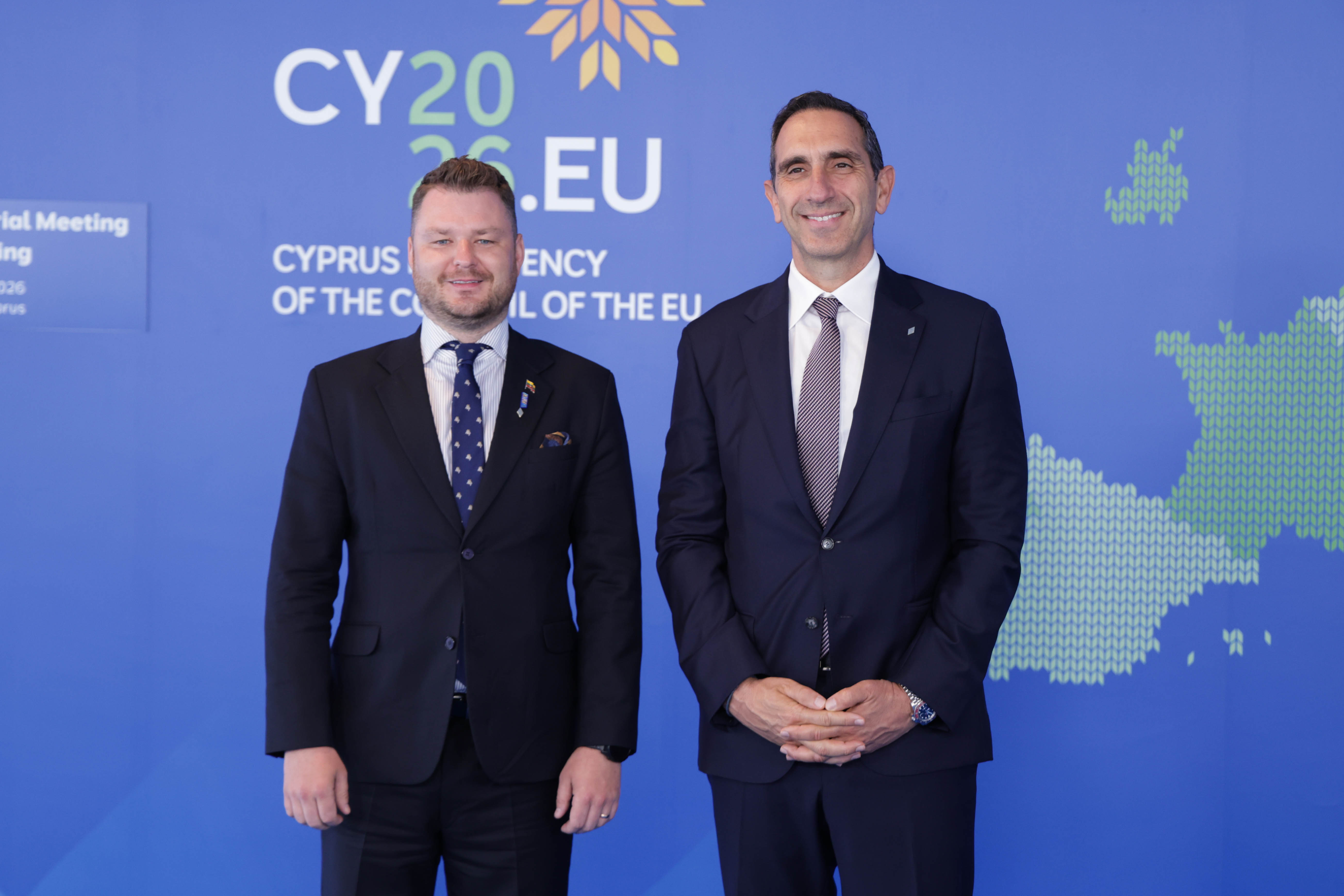
At the heart of the discussions is a stark reality: the current pace of construction and renovation is insufficient to stabilize the market. For countries like Lithuania, the challenge is not merely a lack of capital, but a dense web of administrative hurdles that inflate project risks and costs. During the informal council, Lithuanian Environment Minister Kastytis Žuromskas argued that the primary obstacle to increasing housing stock is often the execution of regulations rather than the regulations themselves.
| Metric | Estimated Value |
|---|---|
| 10-Year EU Housing Price Increase | >60% |
| Annual EU Investment Gap for Housing | €150 Billion |
Streamlining Development Through Digitalization
To combat the supply shortage, Lithuania is advocating for a radical simplification of territorial planning and building permit procedures. The strategy focuses on reducing the administrative burden by integrating digital solutions such as Building Information Modeling (BIM) and “one-stop-shop” systems. By automating coordination processes, the aim is to significantly shorten the time required to move from a project proposal to a finished building.
Minister Žuromskas emphasized that data transparency and digital tools are not just technical upgrades but economic necessities. Faster permit issuance reduces the financial risk for investors, making sustainable housing projects more attractive to private capital. This shift toward a digital-first construction sector is seen as a vital step in lowering the overall costs of new developments, which have been exacerbated by recent inflation and supply chain disruptions.
The €150 Billion Investment Gap and the Lithuanian Model
The scale of the crisis is underscored by European Commission estimates suggesting that an additional €150 billion in annual investment is required to bridge the housing supply and renovation gap across the bloc. While the sum is vast, the discussion in Nicosia shifted toward how existing funds are utilized.
Lithuania presented its specific financial model for apartment block renovation as a potential blueprint for other member states. This approach combines public subsidies with low-interest loans. According to the Lithuanian delegation, subsidies are essential for reducing the immediate financial burden on residents, while revolving loan instruments provide the scale necessary to tackle large-scale urban renewal. However, the minister cautioned that funding alone is not a panacea; projects must be professionally managed and administered under a clear, transparent system to be effective.
A Unified European Investment Platform
Looking ahead, the EU is moving toward the creation of a “Pan-European” investment platform for affordable and sustainable housing. This platform is designed to help member states navigate complex funding sources and aggregate smaller local initiatives into larger, more bankable projects.

For Lithuania and its Baltic neighbors, the success of this platform will depend on its flexibility. The goal is not to replace successful national schemes but to provide technical assistance in preparing new municipal housing projects and attracting additional private investment. As the EU grapples with the social and economic fallout of the housing crisis, the focus remains on ensuring that new European instruments can be tailored to the specific needs of national housing markets.
Original reporting by: elta
Source: ELTA


Comments