Nottingham residents to see transformed housing and travel under 2050 plan

Amidst the hum of the UK Real Estate Investment & Infrastructure Forum (UKREiiF), officials from Nottingham gathered at the East Midlands Combined County Authority (EMCCA) Pavilion to reveal a roadmap that will dictate the city’s trajectory for the next quarter-century. The Nottingham City Vision 2050, co-created with local businesses and residents, outlines a shift in how the city functions, moving toward a model that prioritizes high-density urban living and a decarbonized transport network.
The strategy is built upon three pillars: Home, Heart, and Host. These serve as the structural framework for a series of developments intended to turn Nottingham into a more inclusive and economically resilient hub. With over £4 billion already secured for major developments, the focus now shifts to the long-term integration of these projects into the daily lives of those who live and work in the area.
Transforming city living with “Homes in the Heart”
A central component of the 2050 strategy is the “Homes in the Heart” initiative. This policy seeks to increase the volume of high-quality residential properties within the city centre, moving away from a purely commercial or retail-focused core. By bringing more residents into the heart of Nottingham, the council aims to support a 24-hour economy and reduce the pressure on suburban sprawl.

This housing push is not merely about quantity. The vision emphasizes healthy, diverse neighbourhoods where residents can access essential services within a short walk or cycle. This aligns with broader urban planning trends seen across Europe, where the “15-minute city” concept is being used to improve public health and community cohesion.
Connecting the city via a new Green Grid
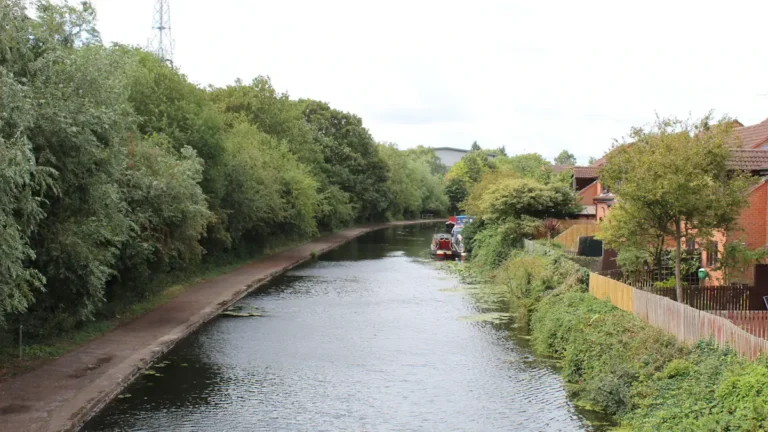
For residents concerned with the daily commute, the “Nottingham Green Grid” represents the most tangible change in the city’s infrastructure. This plan focuses on improving connections through walking, cycling, and enhanced public transport links. The goal is to create a seamless network that reduces reliance on private vehicles, thereby lowering the city’s carbon footprint and improving air quality.

The Green Grid is designed to link disparate parts of the city, ensuring that the benefits of regeneration are felt beyond the immediate centre. By prioritizing active travel, the council expects to see a long-term reduction in traffic congestion, which has historically hindered economic efficiency in the region.
Driving jobs through innovation and commercial districts
To sustain this growth, the vision introduces an “Innovation District” and a revamped “Commercial District.” These areas are designated to attract high-value investment in research, technology, and professional services. By fostering a world-class innovation ecosystem, Nottingham aims to retain graduates from its two major universities and provide high-skilled employment opportunities for the local workforce.

| Investment and Timeline Data | Details |
|---|---|
| Strategic Horizon | 2050 (25-year framework) |
| Secured Investment to Date | Over £4 billion |
| Primary Pillars | Home, Heart, Host |
| Key Infrastructure | Nottingham Green Grid |
Councillor Neghat Khan, Leader of Nottingham City Council, noted that the city is already turning these ambitions into action. Khan emphasized that the 2050 Vision is a signal to partners and investors that the city has a clear direction. The focus is on delivering sustainable growth that directly benefits residents through better housing and job prospects.
Regional backing for long-term urban growth
The launch was supported by the Mayor of the East Midlands, Claire Ward, who highlighted the collaborative nature of the plan. The involvement of the East Midlands Combined County Authority suggests that Nottingham’s growth will be integrated into the wider regional economy, ensuring that transport and housing strategies are aligned across county lines.
This regional approach is intended to address historical challenges in infrastructure funding. By presenting a unified vision for 2050, local leaders hope to secure further government and private sector backing. The framework provides a predictable environment for developers, which is essential for the long-term delivery of the “Ten Bold Ideas” that form the core of the city’s future planning policy.
What readers need to know:
* The plan covers the next 25 years of city development.
* A “Green Grid” will prioritize cycling and walking over cars.
* More housing will be built directly in the city centre.
* The Innovation District aims to create high-tech jobs for locals.
* Over £4 billion in funding is already active for current projects.
Source: Nottingham City Council
Source check Editorial Background
This report is based on the official 2050 Vision launch documents and statements from Nottingham City Council and the EMCCA.
- Verified the 'Ten Bold Ideas' against official council planning documents.
- Confirmed investment figures from the UKREiiF announcement.
- Cross-referenced regional statements with the East Midlands Combined County Authority.
- Source
- Nottingham City Council News
- Scope
- Nottingham
- Updated
- 2026-05-20 13:09
Source check
Report a trust issue
Send a clear signal to community moderation if the source, facts or context need review.



Comments