Ealing street names shape daily life across the borough

Street names in Ealing are not chosen on a whim. They sit inside a formal process that affects post, emergency response, utility records, new homes and the way residents understand the places around them.
At Ealing Council, the work is handled by Samantha Steggles, the borough’s corporate data and street naming and numbering officer. Her role covers the names given to new streets, the numbering of buildings and the official address records used by organisations that need to find homes and businesses accurately.
For residents, the result may look simple: a road sign, a postcode, a house number. Behind it is a system designed to avoid confusion and to keep the borough’s address data reliable.
The officer who signs off new street names
When a new road or building is created in Ealing, the developer or individual behind the project must go through the street naming and numbering process.
They are normally asked to suggest at least three possible names, with reasons for each proposal. Those reasons matter because the council looks for names that have a clear connection to the site, the local area, local history, wildlife, nature or another defensible link.
Samantha Steggles can also help suggest names where the applicant needs guidance. That might mean looking at older place names, nearby landmarks, local heritage or natural features that would make sense to people using the address in future.
The process is not just about taste. The council consults emergency services, Royal Mail and councillors before a name is confirmed. A street name that looks harmless on paper can still cause problems if it sounds too similar to another nearby road or is difficult to distinguish in an urgent phone call.
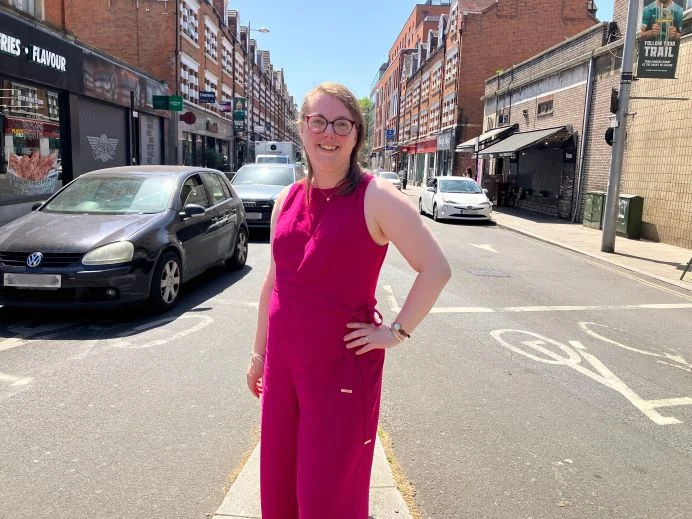
Developers need names that work beyond the map
A new street name has to function in everyday life. It must be clear when spoken aloud, suitable for official records and distinct enough to prevent mistakes.
That is why developers are asked to give options rather than one preferred choice. If a suggested name fails one of the checks, the council can consider alternatives without restarting the whole discussion.
The same principle applies when someone builds a house and wants to give it a name. The council still needs an application, checks and consultation. Steggles has advised applicants to submit three clearly different names, such as Clovelly Cottage, Puddle Duck Barn or Kingfisher House, rather than several near-identical variations.
Once approved, the address becomes part of the borough’s official system. It is then shared with Royal Mail, emergency services, utility companies and national address databases.
Rules that stop confusing or unsuitable addresses
Ealing’s naming policy is designed to prevent names that could cause real-world problems.
A proposed name cannot sound too much like another in the same area. The source example given by the council is Birch Hill Road in an area that already has Churchill Road. Even if the names are spelled differently, the sound could create confusion.

There are also restrictions around royal names. A street cannot be named after a member of the royal family without official permission from the Lord Chamberlain’s office.
Names that are offensive, likely to be misinterpreted or easily altered are avoided. The council also blocks names that promote a company, service or product, unless the company no longer exists and there is a historic link to the area.
Naming a road after a living person is not allowed. According to Steggles, a road can only be named after someone who has been deceased for more than 40 years and has a strong connection to the site. The waiting period is intended to reduce the risk of later controversy or sensitive information making the honour inappropriate.
The exception is narrow: the 40-year rule may not apply where a person died during military service or as part of an emergency blue light response.
Local history often shapes the final choice
Ealing’s street names carry traces of older landscapes, industries and landowners.
The Australian-themed streets in West Ealing, including Adelaide, Brisbane and Sydney Roads and Melbourne Avenue, are thought to have been named by landowner Charles Steel, who had a fruit business and travelled frequently to Australia.

Bramley Road in Ealing is linked to the cooking apple and reflects a period when the area had many orchards supplying London markets.
Other names show how places change over time. Allenby Road in Southall was known as Muddy Road until 1930. Popes Lane was once Folly Lane. Names that have disappeared from the borough’s map include Thieving Lane and Love Lane.
Recent names handled since Steggles joined the council in 2023 include Rathbone Terrace, Aviator Crescent and Coneybury Close in Northolt; Burslem Close in Southall; Oakwood Drive and Heritage Drive in Park Royal; and Darjeeling Close in Hanwell.
New names feed into national address records
After a street name is agreed, the council records it in Ealing’s official address system and allocates the relevant house or building numbers.
Those records are then passed to organisations that rely on accurate addresses, including Royal Mail, emergency services and utility companies. The new addresses are also added to the national database of more than 42 million addresses maintained through Ordnance Survey and GeoPlace.
From 2024 to 2025, Steggles created 3,500 addresses in the borough. Ealing Council also received a gold award for street data at the GeoPlace Exemplar Awards, recognising its work on maintaining address and street data.
The borough has 2,906 roads, of which 2,237 are public roads.
Steggles describes the work in practical terms: “If I’ve done my job correctly, nobody should know that I’ve done it because there won’t be any confusion about an address or street name and goods, services and people will get to where they need to be.”
Frequently Asked Questions
Why does Ealing need an official street naming process?
Ealing uses a formal street naming and numbering process so addresses are clear, unique and usable in real life. A name has to work for postal deliveries, emergency callouts, utility records, council systems, sat-navs and everyday directions. The aim is to avoid confusion caused by names that sound too similar, are hard to spell, or do not have a meaningful local link.
How do developers or property owners get a new street name approved in Ealing?
Anyone creating a new road, building or address should apply through Ealing Council’s street naming and numbering process. In practice, applicants should be ready to provide several suggested names, explain the local connection behind each one, and wait while the council checks the proposals with relevant parties such as emergency services, Royal Mail and local councillors. Strong suggestions usually link to the site’s history, nearby landmarks, nature, wildlife or established local identity.
What makes a good street name suggestion in Ealing?
A good suggestion is easy to say, easy to spell and clearly connected to the area. Avoid names that sound like nearby roads, are difficult to pronounce in an emergency, rely on private branding, or could quickly become outdated. The safest approach is to choose names rooted in local history, landscape, former land use, community heritage or natural features that future residents will still understand.
How can a new or changed street name affect residents and businesses?
A street name or official address can affect far more than a road sign. Residents and businesses may need the correct address for post, deliveries, insurance, utilities, banking, emergency services, school records, business registrations and online maps. If an address is not officially confirmed, it can cause delays, missed deliveries or problems proving where a property is located.
Where should I check the official status of an Ealing street name or address?
For official confirmation, use Ealing Council’s street naming and numbering service rather than relying only on maps or property listings. If you are moving into a new development, ask the developer whether the address has been formally approved. For postal use, check that Royal Mail has also recognised the address once the council process is complete.
Source: Ealing Council
Source check Source note
This explainer is based on the council-published account of Ealing’s street naming and numbering process.
- Retained the named council officer and her stated role.
- Separated formal naming rules from local history examples.
- Kept address-data figures and road totals as stated in the source.
- Avoided adding links or claims not provided in the source material.
- Source
- Around Ealing
- Scope
- Ealing
- Updated
- 2026-05-26 19:15
Source check
Report a trust issue
Send a clear signal to community moderation if the source, facts or context need review.


Comments