Weekend rail works: what passengers should check first
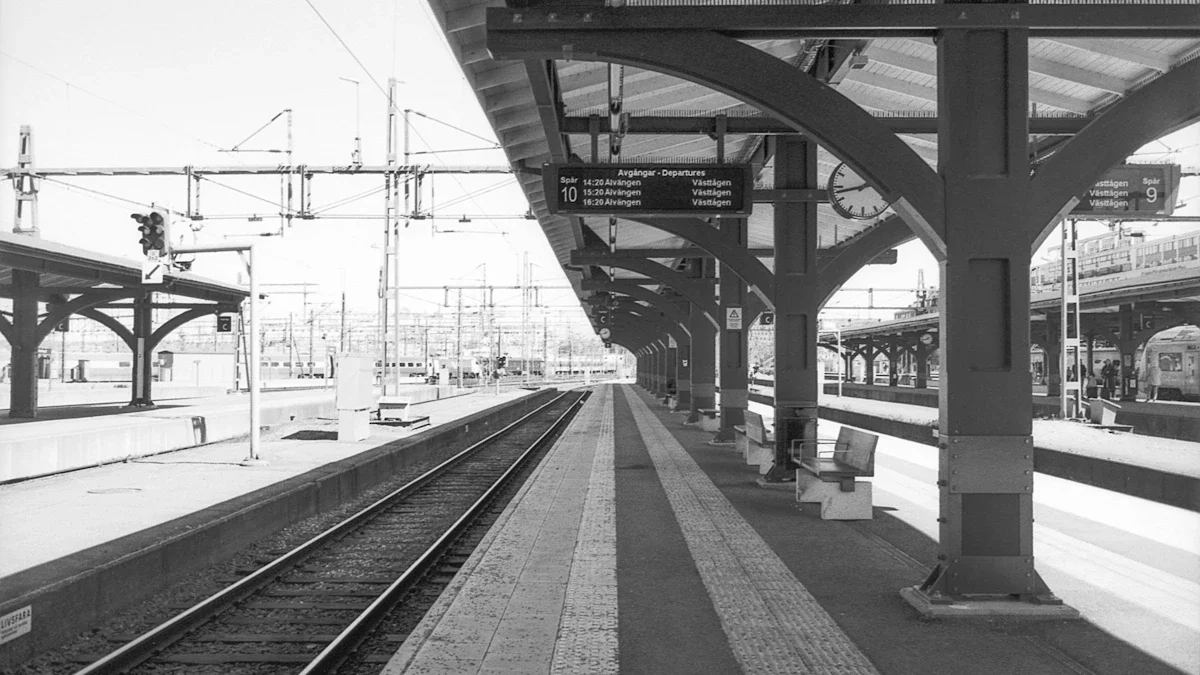
For UK rail passengers checking plans this morning, the safest first step is to look at National Rail’s live disruption index and its engineering works page before leaving for the station. Weekend timetables can change because of planned maintenance, replacement buses or revised connections, but passengers should confirm their own route and train time from official sources before assuming any service is cancelled or diverted.
Check your exact journey before leaving home
Start with the journey you actually intend to take, not just the train company name or a broad route. Engineering work can affect only part of a line, a certain time window or a connecting service, so a journey planner result is more useful than a general social post or an old travel alert.
Useful checks include:
- Your departure station, arrival station and any interchange station.
- The exact date and time you plan to travel.
- Whether the journey planner shows a revised timetable, bus replacement or longer connection.
- Whether the return journey is affected differently from the outward journey.
- Whether you need extra time for accessibility, luggage, children or onward transport.
If your journey involves the last train of the day, a long-distance connection or a fixed-time event, check again shortly before travelling. Planned engineering work can be published in advance, while separate disruption can appear closer to departure.
Where the official rail information lives
National Rail publishes an official UK rail disruption index at nationalrail.co.uk/status-and-disruptions/. That page is the main place to check current disruption by operator, route or incident.
National Rail also runs an engineering works information page at nationalrail.co.uk/travel-information/engineering-works/. That page is intended for planned maintenance information and is the right starting point when checking weekend changes.
Because the available source evidence confirms the official pages but not a specific closure today, this article does not list a named cancelled service or route closure. Passengers should use the National Rail pages to verify the live position for their own train.

What to check if your route is affected
If the official journey result shows changes, compare the replacement option with your original plan before buying a new ticket or leaving early. Look for whether the alternative route uses a replacement bus, a different terminal, a slower stopping service or a different interchange.
Also check ticket restrictions. Some disruption pages may explain whether tickets are being accepted on another operator or route, but that should be confirmed from the relevant official travel notice before relying on it.
For time-sensitive journeys, keep screenshots or booking references handy, allow more time than usual and recheck the disruption page on the morning of travel. The most practical rule is simple: check the live journey, check the engineering works page, then check again before you set off.
Source: National Rail
Source check Source trail
This service article is based on National Rail’s official disruption and engineering works pages and avoids naming specific closures without fresh confirmation.
- Checked the official National Rail disruption index.
- Checked the official National Rail engineering works information page.
- Kept route-specific claims out unless confirmed by the cited sources.
- Source
- National Rail
- Scope
- United Kingdom
- Updated
- 2026-05-25 00:11
Source check
Report a trust issue
Send a clear signal to community moderation if the source, facts or context need review.


Comments