Vilnius Hot Water Shutdowns: Nearly Half the City to Avoid Cold Showers
For many residents of major cities in Central and Eastern Europe, the arrival of summer traditionally brings a dreaded urban ritual: the annual hot water shutdown. However, in the Lithuanian capital, this seasonal inconvenience is rapidly becoming a thing of the past. Thanks to aggressive infrastructure modernization, nearly half of Vilnius residents will maintain their hot water supply uninterrupted this year.
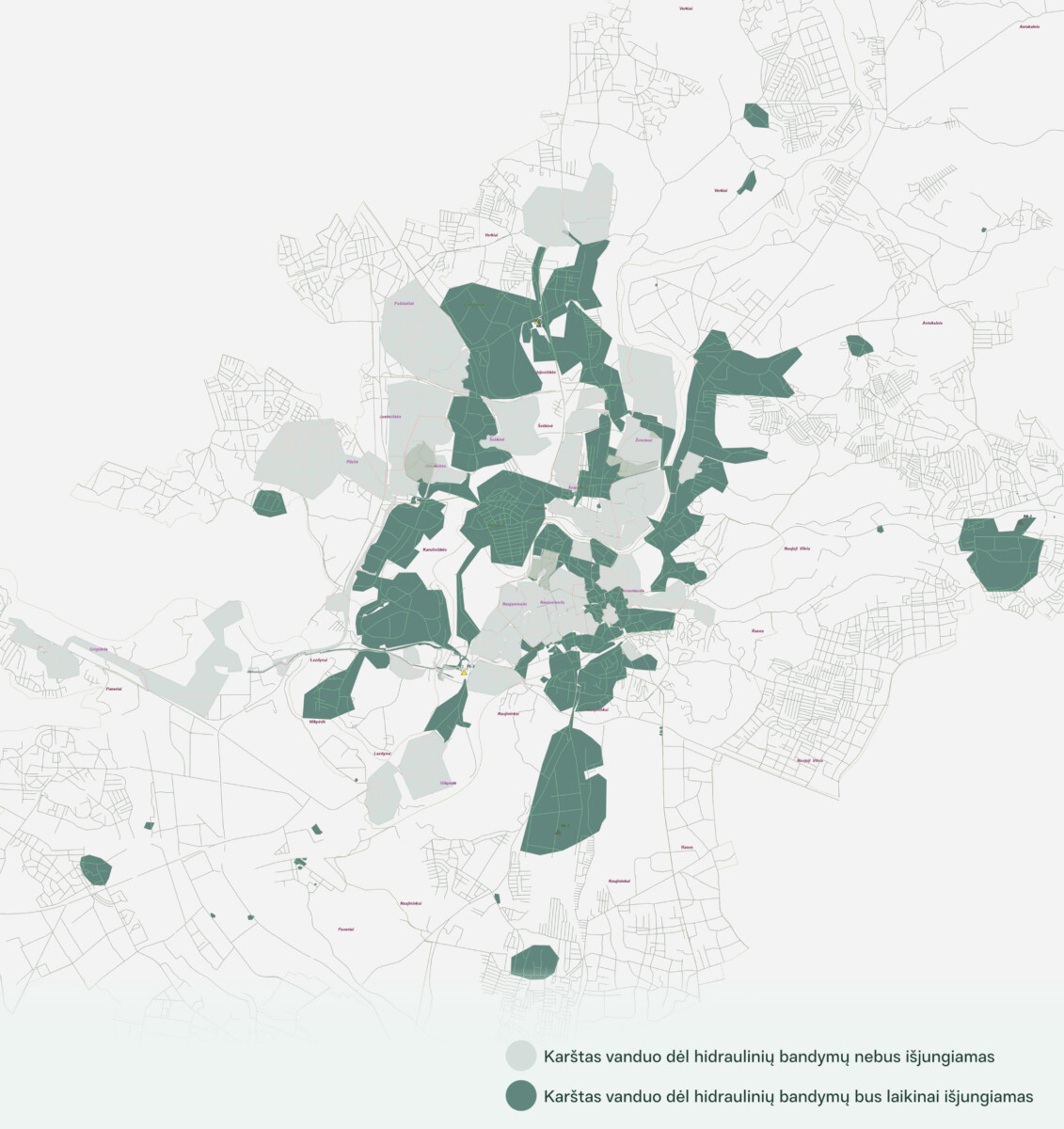
Vilnius Heating Networks (operating under the brand “Gijos”) has officially launched its annual pipeline diagnostic season. While these maintenance windows typically mean a temporary return to kettles and cold showers, the company’s recent investments in the city’s energy ecosystem have reached a tipping point. This year, 46% of the city’s population will be entirely unaffected by the standard hydraulic testing schedule.
The Lucky Districts: Who Stays Warm?
The reduction in service interruptions is not a matter of luck but a result of targeted reconstruction of aging pipe segments and the implementation of advanced leak detection systems. Residents in the following districts are the most likely to see no disruption to their hot water supply this summer:
- Pilaitė and Senamiestis (Old Town)
- Naujamiestis and Justiniškės
- Pašilaičiai and Paupys
- Visoriai and Žirmūnai
- Šnipiškės and Vilkpėdė
It is important to note that while these areas are largely exempt from the standard hydraulic testing outages, localized shutdowns may still occur if a specific building is being connected to the grid or if a major reconstruction project is happening on a nearby street.
Why the Shutdowns Still Happen
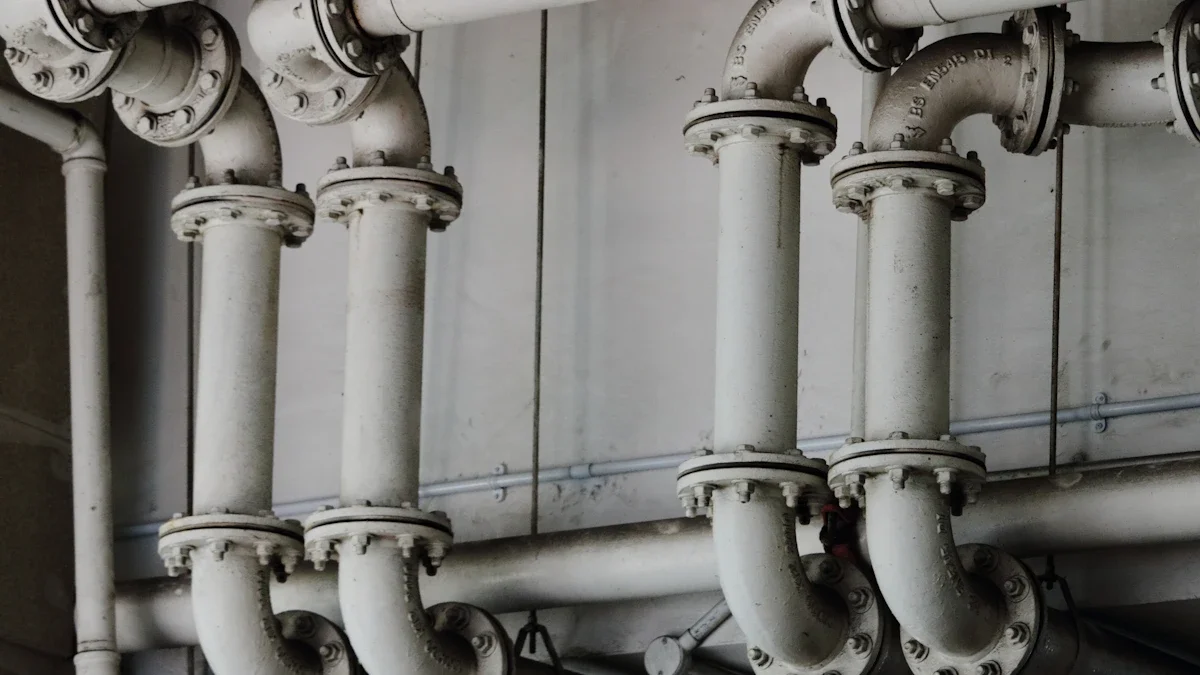
To those accustomed to individual gas boilers or electric heaters, the concept of a city-wide hot water shutdown can seem archaic. However, Vilnius operates on a centralized district heating system—a highly efficient method of heating large urban areas that requires high-pressure testing to ensure safety during the harsh winter months.
During these “hydraulic tests,” the pressure in the pipes is significantly increased to identify potential weak spots or cracks. The heat exchangers located in the basements of apartment buildings are not designed to withstand this extreme pressure. If they were not disconnected during the test, the equipment could be catastrophically damaged, leading to much longer and more expensive repairs for the residents.
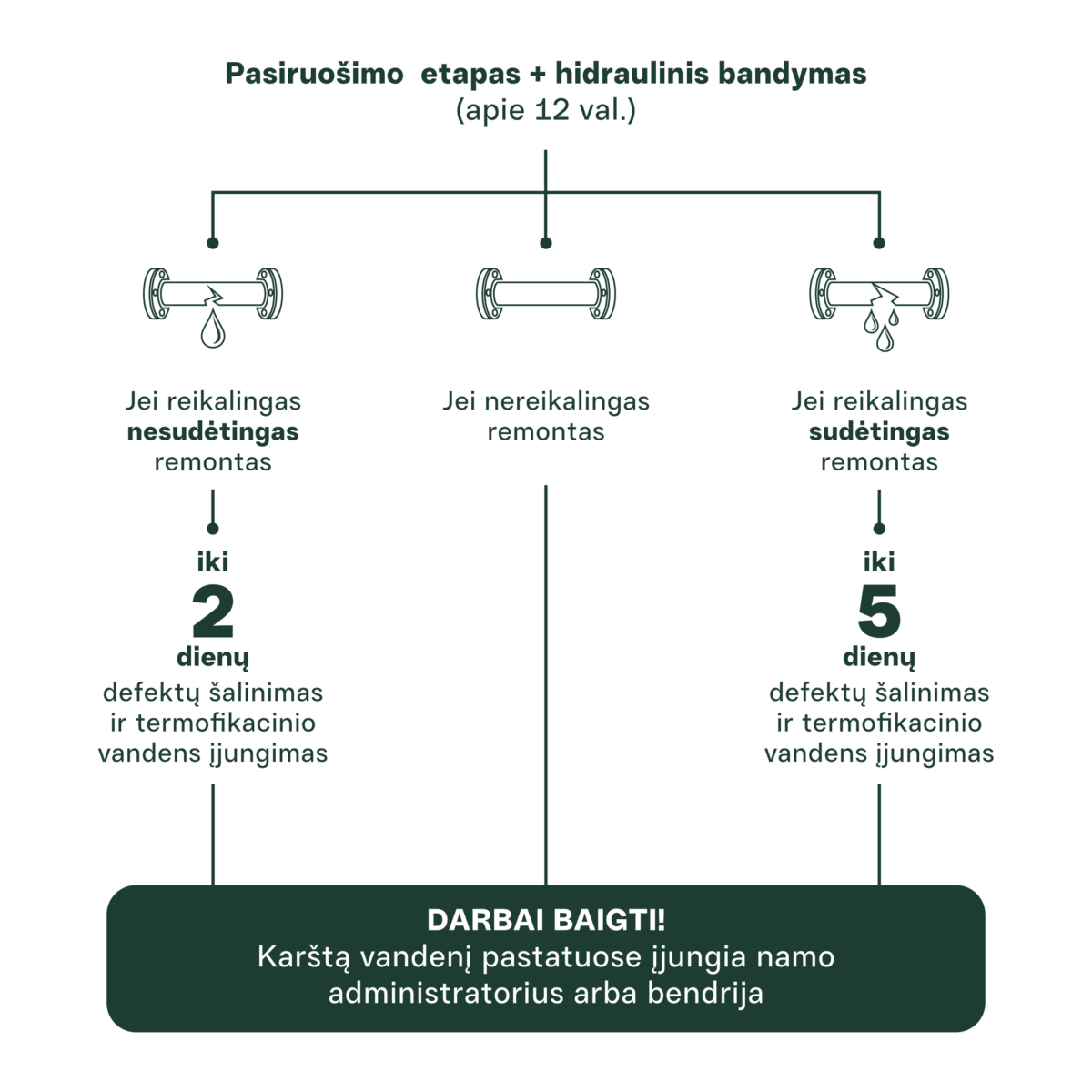
Andrius Agintas, Head of the Infrastructure Team at Gijos, explains that the duration of a shutdown depends entirely on what the tests reveal. “If no cracks are found, hot water usually returns within 24 hours. However, if a minor leak is detected, the outage might be extended to 48 hours. In cases of complex defects, repairs can take five days or, in exceptional circumstances, slightly longer.”
How to Check Your Schedule
For those who are not in the exempt zones, planning ahead is the best way to mitigate the inconvenience. The utility provider has modernized its communication, moving away from paper notices to digital alerts. Residents are encouraged to update their contact information on the company’s self-service portal to receive SMS and email notifications regarding specific shutdown dates for their address.
Furthermore, the return of hot water isn’t solely in the hands of the utility company. Once the main grid tests are complete, the final step—turning the valves back on—must be performed by the building’s heating system supervisor or the homeowners’ association administrator. Residents are advised to stay in contact with their building managers to ensure a prompt return to service.
As Vilnius continues to expand its “ring network”—a system that allows water to be rerouted through alternative pipes when one section is being tested—the city aims to eventually eliminate the need for these summer shutdowns entirely, bringing the capital’s infrastructure in line with the highest global standards of urban comfort.
Source: ELTA



Comments