The Future of Mobility: Navigating the Global Auto and Transport Landscape
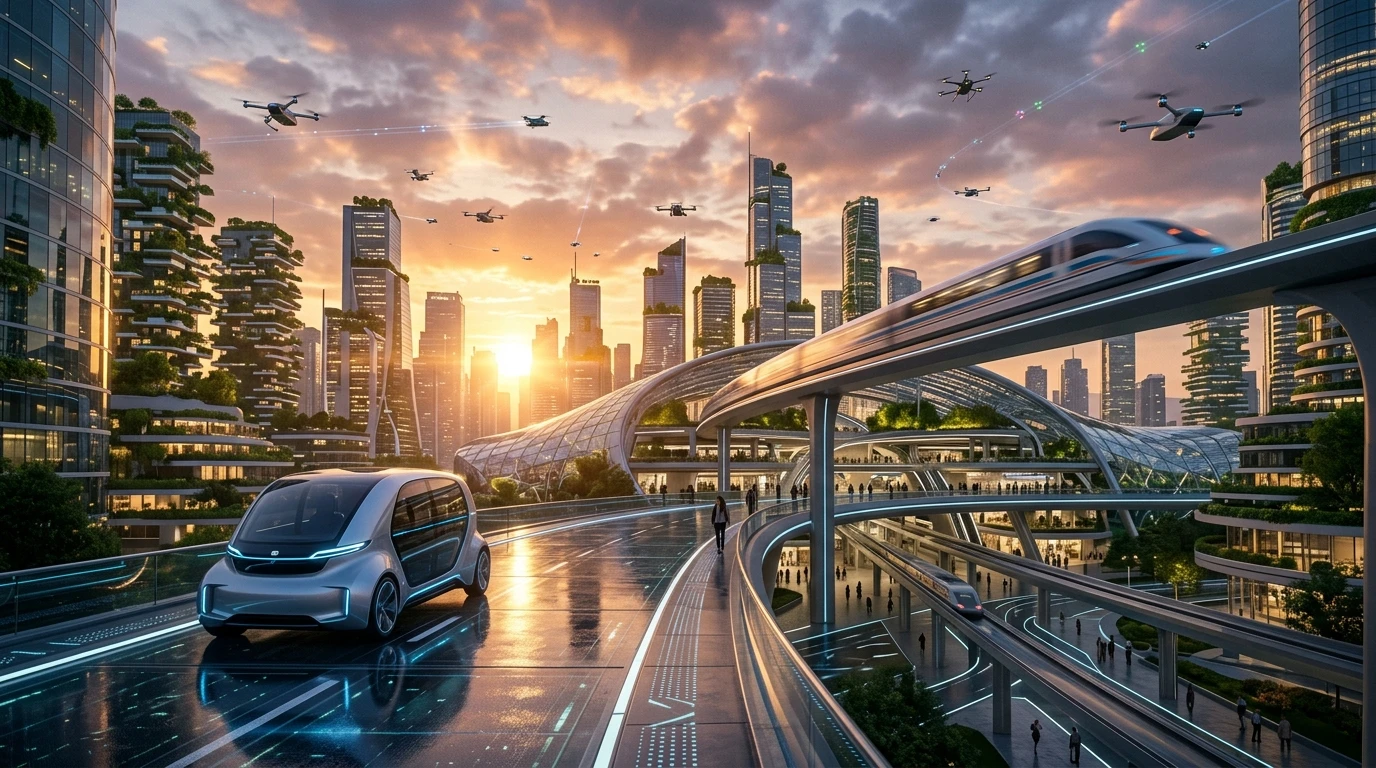
The Evolution of Global Mobility
Transportation is the lifeblood of the modern global economy. From the daily commute to the complex logistics of international supply chains, the auto and transport sector dictates the pace of human progress. As we stand on the brink of a new era defined by technological innovation and environmental consciousness, understanding the trajectory of this industry is more critical than ever. Here at munisha.co.uk, we recognize that the future of mobility is not just about getting from point A to point B; it is about reshaping our cities, economies, and our fundamental relationship with the planet.
The Electric Vehicle Revolution
Perhaps the most visible transformation in the automotive industry is the rapid acceleration toward electrification. Driven by stringent global emissions regulations and a growing consumer demand for sustainable alternatives, major automakers are pivoting aggressively away from internal combustion engines. This shift is not merely a change in powertrain; it represents a fundamental restructuring of the entire automotive ecosystem.
- Battery Technology: Innovations in solid-state batteries promise greater range, faster charging times, and enhanced safety, mitigating the range anxiety that has historically deterred buyers.
- Infrastructure Development: The proliferation of public and private charging networks is essential. Governments and private sectors are collaborating globally to build robust electrical grids capable of supporting millions of electric vehicles (EVs).
- Market Parity: As production scales and battery costs decline, EVs are rapidly approaching price parity with traditional gasoline-powered vehicles, making them accessible to a broader global demographic.
Autonomous Driving and Smart Integration
Beyond electrification, the integration of artificial intelligence is paving the way for autonomous vehicles (AVs). While fully self-driving cars navigating complex urban environments without human intervention remain a work in progress, advanced driver-assistance systems (ADAS) are already standard in many new models. The journey toward full autonomy involves navigating significant regulatory, ethical, and technological hurdles. However, the potential benefits—ranging from drastically reduced traffic fatalities to optimized traffic flow—make it a cornerstone of future transport strategies.
Redefining Urban Mobility and Public Transit
As urbanization accelerates, metropolitan areas face unprecedented congestion and pollution. The response is a paradigm shift in urban mobility. The modern transport landscape is increasingly multimodal, integrating traditional public transit with innovative micro-mobility solutions.
High-speed rail networks are seeing a renaissance worldwide, offering a sustainable alternative to short-haul flights. Meanwhile, within city limits, e-bikes and electric scooters provide efficient, zero-emission last-mile connectivity. Urban planners are redesigning cityscapes to prioritize pedestrians, cyclists, and efficient mass transit, aiming to create smart cities where transport networks communicate seamlessly to optimize efficiency and reduce environmental impact.
Sustainable Freight and the Future of Logistics
While passenger transport often dominates the headlines, the freight and logistics sector is undergoing its own quiet revolution. The global supply chain, heavily reliant on diesel-powered trucks, cargo ships, and freight trains, is under immense pressure to decarbonize.
- Commercial Electrification: Logistics giants are investing heavily in electric delivery vans and heavy-duty electric semi-trucks, promising zero-emission freight operations.
- Alternative Fuels: For heavy transport like maritime shipping and aviation, where battery weight is a limiting factor, green hydrogen fuel cells and sustainable aviation fuels (SAF) are emerging as viable, low-carbon alternatives.
- Automated Logistics: Drone deliveries and automated guided vehicles (AGVs) in warehouses are streamlining operations and drastically reducing delivery times.
Looking Ahead
The auto and transport sector is in the midst of a historic transition. The convergence of electrification, autonomy, and digital connectivity is dismantling traditional industry boundaries. As these technologies mature and integrate, they will yield a transport ecosystem that is safer, cleaner, and vastly more efficient. For policymakers, industry leaders, and consumers alike, staying informed about these macro trends is essential. Through continuous, in-depth coverage, munisha.co.uk remains committed to chronicling this dynamic journey, providing the journalistic insights necessary to navigate the rapidly evolving world of global mobility.



Comments