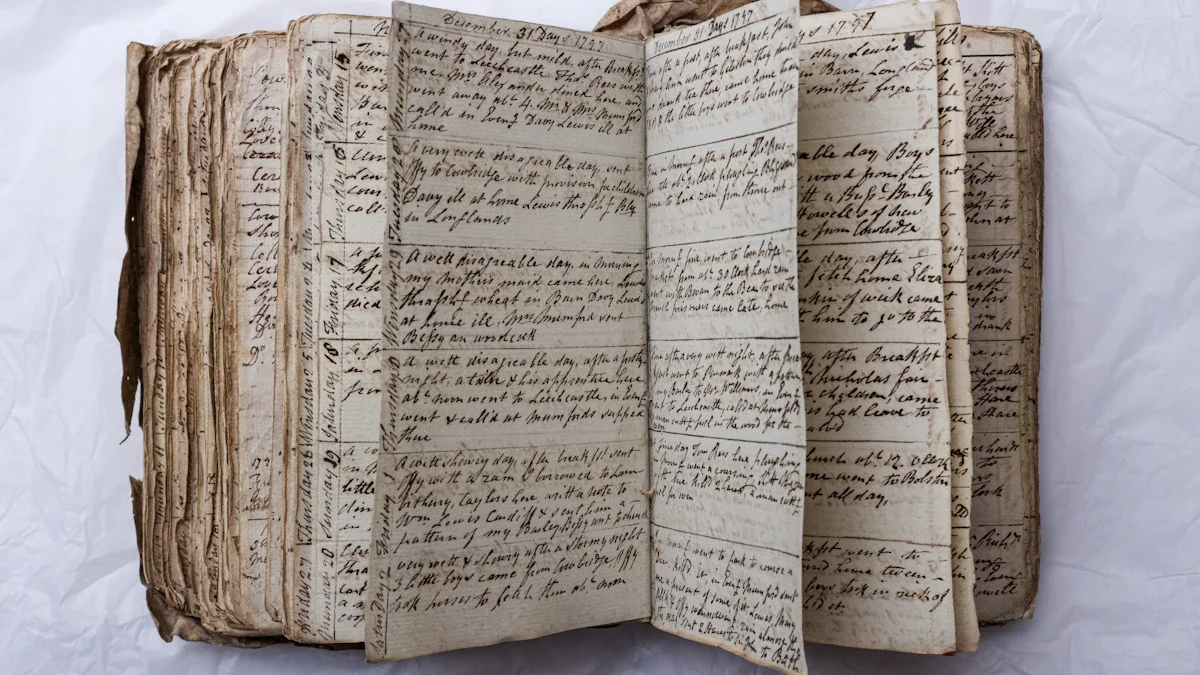
In the quiet halls of the Martynas Mažvydas National Library of Lithuania, a small, 67-page manuscript is about to take center stage. It is not the work of a famous poet or a high-ranking statesman, but the private reflections of a common soldier named Ignotas Grubinskas. Written at the end of the 19th century, this diary represents a quiet but profound act of defiance against the Russian Empire’s ban on the Lithuanian press.
On May 19th at 17:30, the National Library will host the official presentation of “Ignoto Grubinsko dienoraštis” (The Diary of Ignotas Grubinskas). The event, held in the Statehood Space, marks the publication of a document that offers a rare, unvarnished look at the life of a Lithuanian peasant serving in the Tsarist Russian army during one of the most restrictive periods in the nation’s history.
A Voice from the Shadows of the Press Ban
Between 1864 and 1904, the Russian Empire enforced a strict ban on the use of the Latin alphabet for the Lithuanian language, an attempt to suppress national identity and integrate the region into the Russian cultural sphere. During this time, writing in Lithuanian was not merely a personal choice; it was a political statement and a legal risk.
Ignotas Grubinskas, born in 1867 in the village of Daunoriai, was a product of this era. Despite only receiving a basic education in a Russian “people’s school,” Grubinskas maintained a deep connection to his native tongue. His diary, written while he was stationed as a private in Kaunas, captures the tension of a man living between two worlds: the rigid, Russian-speaking military machine and his internal life, which remained stubbornly Lithuanian.
From Peasant to Soldier: The Life of Ignotas Grubinskas
What makes this diary exceptional is its perspective. Most historical records from the 19th century were penned by the elite—clergy, nobility, or university-educated intellectuals. Grubinskas, however, was a common soldier. His 67 pages of handwritten notes provide a rare “ego-document” that details the daily grind of military service, the social atmosphere of Kaunas, and the longing for his home district.
Readers of the newly published volume will find more than just military logistics. Grubinskas wrote extensively about his personal values, his dreams for the future, and his commitment to the Lithuanian language. He was not just a passive observer; research has identified him as a contributor to the forbidden newspaper Žemaičių ir Lietuvos apžvalga, published in Tilsit, where he wrote under the pseudonym “Vabalas” (The Beetle). This connection to the knygnešiai (book smugglers) movement highlights the underground network of literacy that kept the Lithuanian spirit alive during the ban.

A Linguistic and Historical Treasure
The diary is also a significant find for linguists. Written partly in his native Vabalninkas dialect, the text shows the early, experimental stages of the modern Lithuanian literary language. It features unique spelling choices and a blend of local speech patterns that provide a snapshot of how the language was evolving on the ground, away from academic circles.
The publication is part of the “From the Archives of the National Library” series, which aims to bring hidden historical documents to the public eye. The book features extensive commentary from two perspectives: historian Dr. Juozas Skirius examines the socio-political context of Grubinskas’s life, while linguist Habil. Dr. Giedrius Subačius analyzes the development of the language within the text.
Public Presentation at the National Library
The upcoming event in Vilnius will feature a panel of experts who helped bring this diary to light. Asta Miltenytė, the book’s compiler and editor, will be joined by Dr. Juozas Skirius and literary scholar Dr. Gitana Vanagaitė. The discussion, moderated by Dr. Jolanta Budriūnienė, will explore how a simple soldier’s diary can reshape our understanding of 19th-century Lithuanian modernization.
The publication of this diary was partially funded by the Ministry of Culture of the Republic of Lithuania, reflecting its importance as a piece of national heritage. For history enthusiasts and those interested in the resilience of culture under occupation, the story of Ignotas Grubinskas offers a moving testament to the power of the written word.
Source: BNS
Article contextPeople & topics6#6
What do you think about this article?
Reader Ideas Newsroom
Have a sharper angle for this topic? Add it to the community idea board and let readers vote it up for editorial review.



/linkComments
8+ useful words can earn +10-60 DP; shorter replies can still publish without DP.