The End of Brand Loyalty? Why Private Label Sales Just Jumped 30%

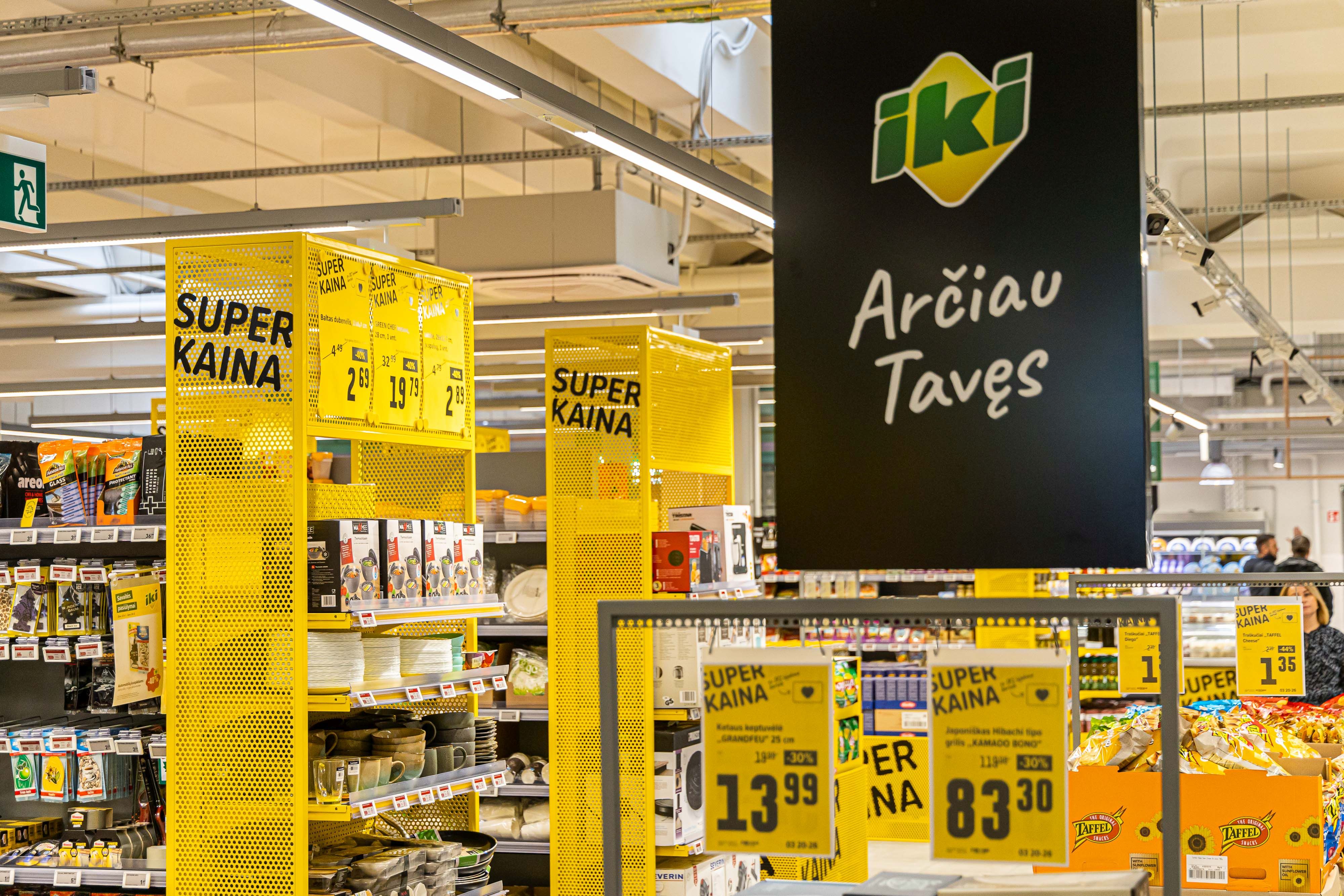
In a shift that mirrors the retail landscape of the United Kingdom, shoppers in Lithuania are rapidly abandoning household brand names in favor of supermarket private labels. Data from the major retailer Iki reveals that sales of its budget-tier brand, “Clever,” have surged by nearly 30% this year. This is not merely a temporary reaction to inflation, but a fundamental change in consumer psychology that is reshaping the European grocery market.
For decades, Western European markets have treated private labels—products manufactured for and sold under a retailer’s own brand—as a standard part of the weekly shop. In the UK, the success of Aldi and Lidl, alongside the robust “own brand” ranges of Tesco and Sainsbury’s, has long normalized this behavior. Now, the Baltic states are catching up, with the 30% growth figure signaling that the “rational shopper” has officially arrived in the region.
The Rational Shift: Why Price No Longer Means Poor Quality
The primary driver behind this surge is a reassessment of value. According to Gintarė Kitovė, Head of Communications at Iki, modern shoppers are increasingly ignoring the prestige of a logo in favor of the actual utility of the product. The “Clever” range, which includes over 260 items, is positioned at the lowest price point, yet its growth suggests that consumers no longer equate a lower price with an inferior product.
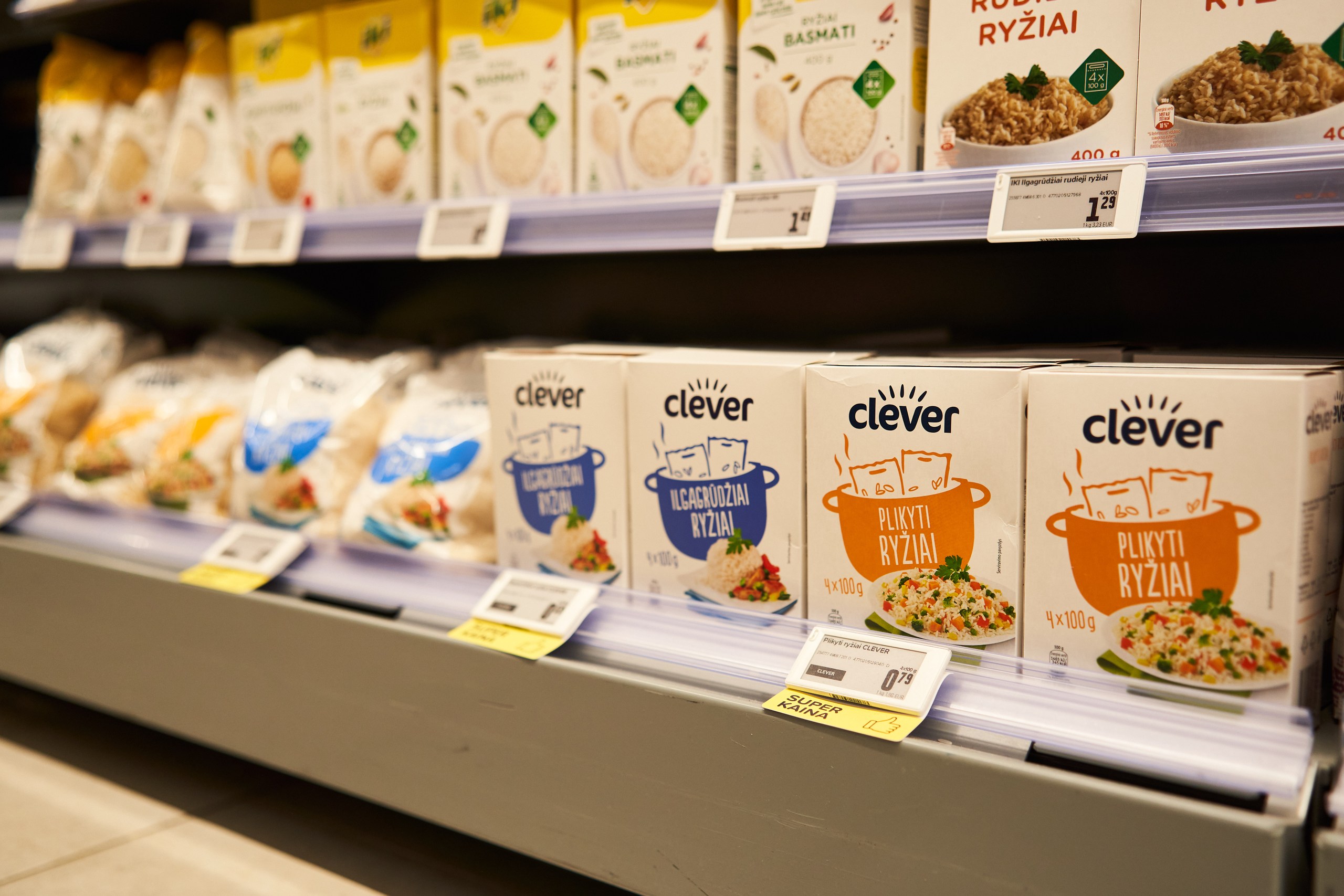
This trend is supported by rigorous quality control measures that aim to dispel the old stigma of “cheap” goods. To maintain consumer trust, retailers are implementing systematic audits—ranging from raw material sourcing to quarterly food safety checks in-store. This level of oversight ensures that while the packaging may be simpler, the contents meet the same safety and nutritional standards as their more expensive counterparts.
Breaking Down the Basket: What Shoppers are Swapping
The data shows that the shift is most pronounced in daily essentials. When consumers realize that basic commodities like milk or mineral water offer little differentiation between a premium brand and a private label, the price gap becomes impossible to ignore.
| Product Category | Key Items Driving Growth |
|---|---|
| Fresh Daily Staples | Milk products, bread, fresh vegetables |
| Pantry & Canned Goods | Olive oil, sardines, salmon, pasta |
| Household Essentials | Aluminum foil, baking supplies, cleaning agents |
| Pet Care | Cat food and basic pet maintenance items |
In the current year alone, nearly 30 new products were added to the budget line, including pork products, chicken fillets, and specialty items like olives. This expansion suggests that the “private label” is no longer just a fallback for those on a tight budget; it is becoming the primary choice for a wide demographic of shoppers looking to optimize their household spending.
Beyond the Basics: The Premium Private Label Expansion
The evolution of this trend does not stop at the budget tier. Retailers are now diversifying their own-brand portfolios to include gourmet and lifestyle categories. This mimics the UK’s “Finest” or “Taste the Difference” tiers, where the supermarket brand competes directly with high-end specialty producers.
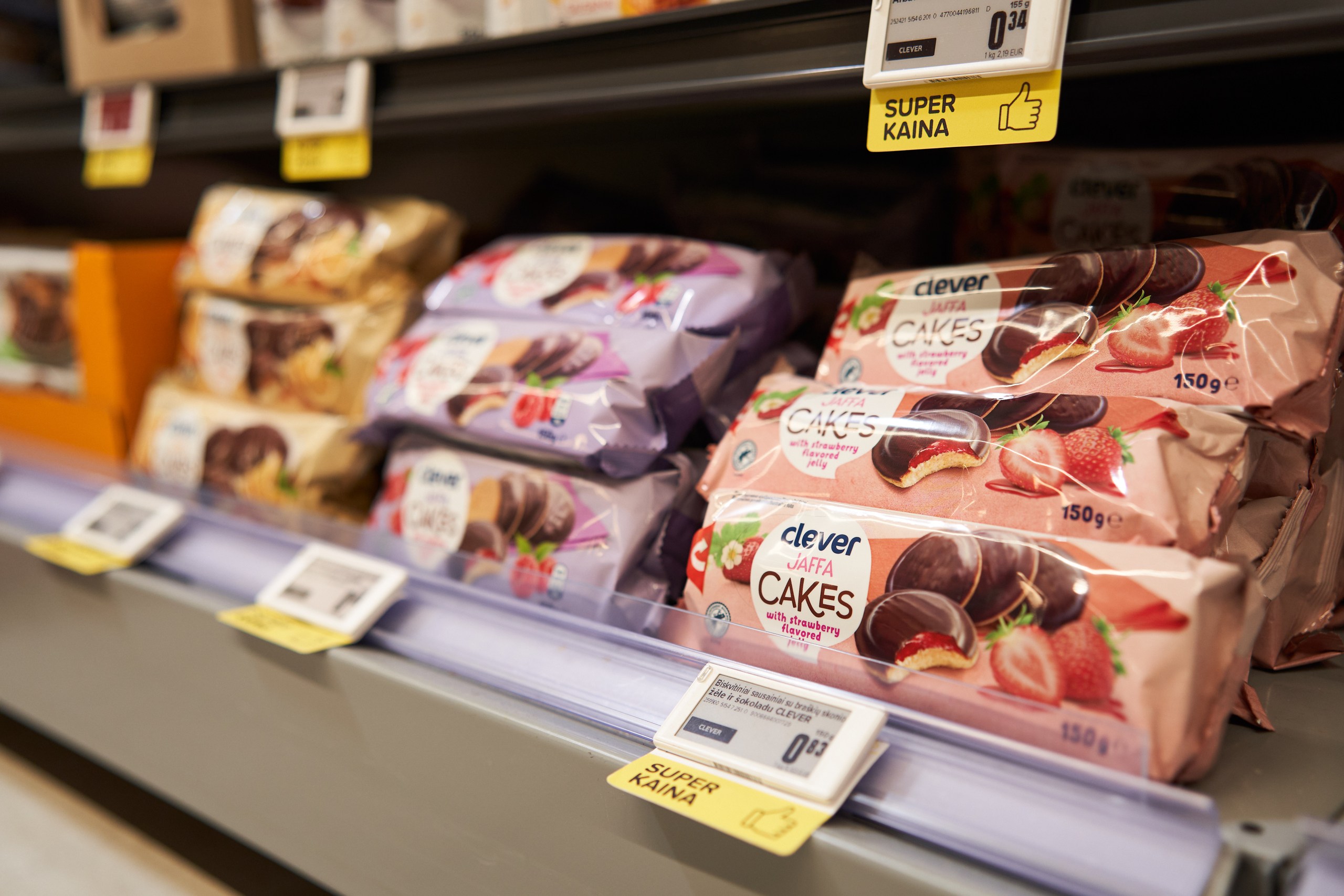
In Lithuania, this has manifested in the launch of specialized lines such as “IKI Šefai” for ready-to-eat meals, “Tira” for coffee enthusiasts, and “Billa Premium” for gourmet products. Even the non-food sector is seeing a shift, with new private labels for home and body care like “Bi Home” and “Bi Care” entering the market.
This multi-tiered strategy suggests that the retail market is moving toward a future where the supermarket itself is the most trusted brand in the building. For the international observer, the 30% jump in sales is a clear indicator that the era of paying a premium for a famous name is under significant pressure, as shoppers across the continent prioritize the bottom line on their receipts over the logo on their labels.
Source: ELTA



Comments