Households that should re-check energy bill support now

UK households expecting their next energy bill should re-check official support before it arrives, especially if income, benefits, health needs, household size or payment arrangements have changed. The safest next step is to use GOV.UK’s energy bill help page and Ofgem’s household energy advice, then contact the energy supplier if the bill may be unaffordable.
This is not a new deadline or a confirmed new payment announcement. It is a practical check because support, supplier help and household circumstances can all affect what options are available before a bill becomes overdue.
Households most likely to need another check
A re-check is sensible if any of the following apply before the next bill lands:
- Your household income has changed since the last bill.
- Someone has recently started or stopped receiving benefits.
- A person in the home has health, disability or age-related needs that could affect energy support.
- You have moved home, changed supplier or switched payment method.
- You use prepayment energy and are worried about topping up.
- You already owe money to your supplier or have missed a payment.
- Your direct debit or estimated bill no longer matches your actual usage.
The key point is to check early. Waiting until the bill is already overdue can narrow the practical options, while contacting the supplier before payment becomes a problem may make it easier to discuss support or a payment arrangement.
What to check before paying the next bill
Start with the official GOV.UK page for help with energy bills. It brings together government guidance for households looking for support with energy costs and should be the first place to confirm what help is currently listed.
Then check Ofgem’s household energy advice. Ofgem is the energy regulator, so its guidance is useful for understanding consumer options, supplier responsibilities and what to do if you are struggling with bills.

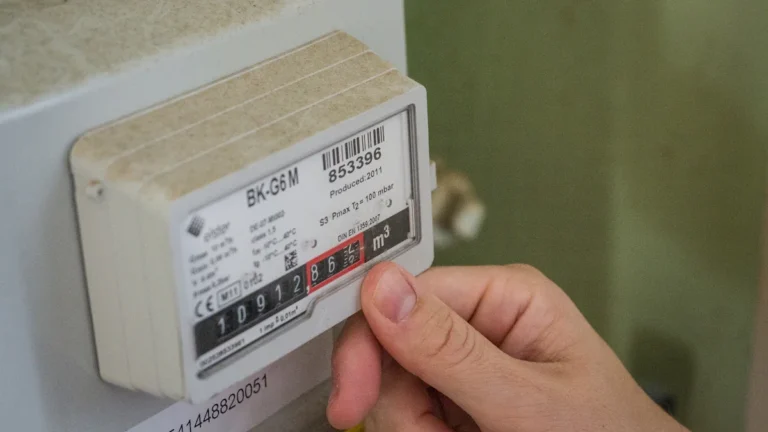
Before contacting your supplier, gather the basics: your account number, latest meter readings, current tariff if available, household income information if relevant, and any recent change in circumstances. If the bill is estimated, a current meter reading can help avoid decisions based on inaccurate usage.
Why circumstances matter
Energy support is not only about the size of the bill. A household may need to check again because something has changed since the previous billing period. Examples include a new benefit claim, reduced working hours, a medical need that makes energy use harder to cut, or a move from monthly direct debit to prepayment.
Households should also check whether they are using the right official route. General online advice can quickly become outdated, while GOV.UK and Ofgem are the appropriate places to verify current government guidance and regulator-backed consumer advice.
Official pages to use
The two most useful checks are:
- GOV.UK: official guidance on getting help with energy bills.
- Ofgem: household energy advice from the energy regulator.
If those pages suggest an option that may apply, the next practical step is to contact the energy supplier directly before the next payment is missed. Ask what support is available for your account and keep a record of the date, the person or team contacted, and any agreed next step.
Source: GOV.UK
Source check Official sources
This article uses GOV.UK energy bill help guidance and Ofgem household energy advice as the reader-facing evidence base.
- GOV.UK is used for official energy bill help guidance.
- Ofgem is used for regulator-backed household energy advice.
- No unsupported deadline, payment amount or closure date is claimed.
- Source
- GOV.UK
- Scope
- United Kingdom
- Updated
- 2026-05-27 00:14
Source check
Report a trust issue
Send a clear signal to community moderation if the source, facts or context need review.


Comments