Shrewsbury housing initiative saves £1.4m and cuts B&B reliance

Shropshire Council has reported a significant reduction in its temporary accommodation expenditure, totaling approximately £1.4 million in savings over the 2025/26 financial year. This fiscal shift is attributed to the opening of several dedicated supported accommodation schemes across Shrewsbury, which have allowed the local authority to move residents out of expensive, privately owned bed and breakfasts into council-managed facilities.
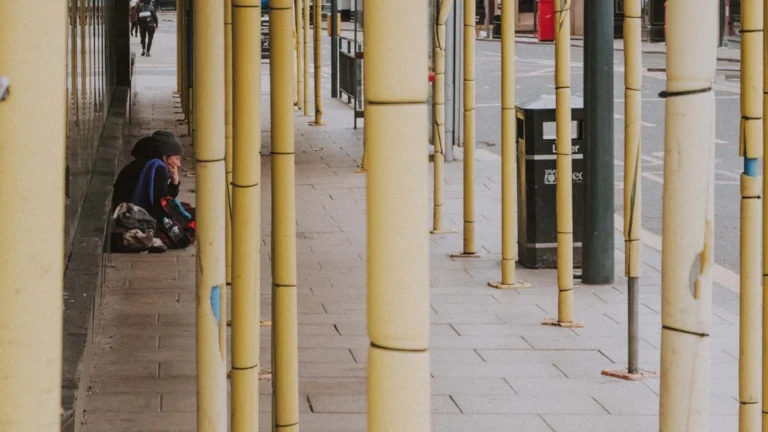
The transition has seen the number of households in emergency B&B accommodation drop to around 25, a sharp decline from previous peaks. This move addresses both the rising costs of the UK housing crisis and the quality of life for vulnerable residents who previously faced the instability of nightly paid hotel rooms.
Direct savings from Shrewsbury supported living schemes
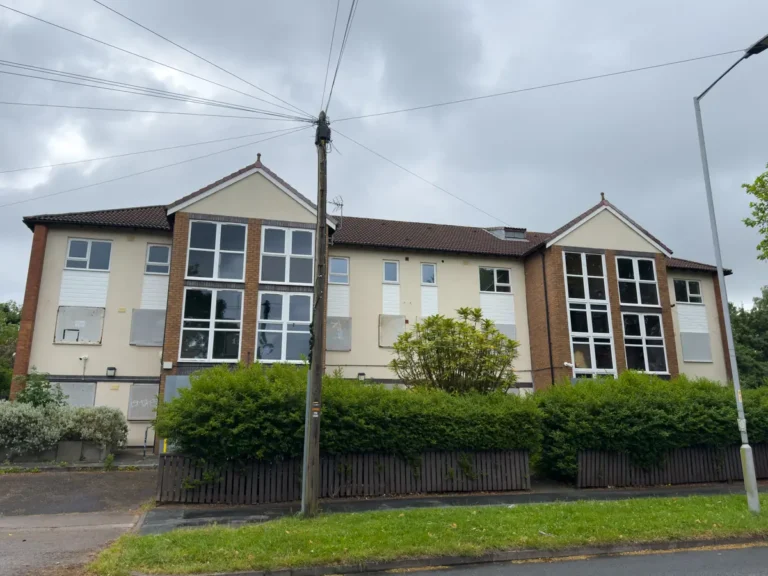
The financial impact of the new housing strategy is centered on four key sites in Shrewsbury: The Tannery, Coton Hill House, Parish Rooms, and 70 Castle Foregate. These facilities provide structured environments for individuals facing homelessness, offering more than just a roof. While The Tannery remained operational for the entire financial year, the other three schemes were introduced during the second half of the period, suggesting that the full annual saving potential may be even higher in the coming year.
During the 2025/26 period, the combined net cost to the council for operating these four schemes was approximately £249,000. To house the same 100 applicants in commercial hotels or B&Bs would have cost an estimated £1.66 million. This represents a net saving of £1.4 million, a critical figure for a council currently navigating a broader programme of financial recovery and service reform.

Cost breakdown of temporary accommodation alternatives
The reliance on nightly paid accommodation has long been a drain on local government resources across the UK. In Shropshire, the financial burden was twofold: the direct cost of the rooms and the “subsidy loss” associated with Housing Benefit. When councils place residents in B&Bs, they are often unable to reclaim the full cost from the Department for Work and Pensions, leaving a gap that must be filled by the local taxpayer.
By moving residents into supported accommodation, Shropshire Council can reclaim a higher percentage of the costs through different benefit structures while providing a more cost-effective service. The £1.4 million saved includes both the direct reduction in service costs and the mitigation of these subsidy losses within the council’s wider enabling budget.
Reducing the social cost of emergency B&B placements
Beyond the balance sheet, the move away from B&Bs addresses a long-standing issue regarding the suitability of emergency housing. Hotel rooms rarely provide the cooking facilities, privacy, or stability required for residents to rebuild their lives or maintain employment. James Owen, Shropshire Council’s Cabinet member for housing, noted that while B&Bs are a necessary emergency measure, they are often “far from ideal” for the people involved.

Providing stable, supported environments allows for better intervention from social services and housing officers. This proactive approach is designed to prevent the cycle of homelessness, rather than simply managing it through costly emergency measures. The reduction of households in B&Bs to just 25 represents a significant milestone in the council’s effort to provide appropriate local solutions.
Financial recovery and the future of Shropshire housing
Despite the success of these schemes, the council continues to face substantial financial pressures. The housing department is still managing a backlog of cases, and the demand for affordable housing in Shrewsbury remains high. The current savings form part of a wider service reform aimed at reducing long-term costs through investment in prevention.
The council’s strategy involves continuing to monitor the performance of the new sites while exploring further opportunities for local housing solutions. The goal is to eliminate the need for B&B accommodation entirely, ensuring that emergency housing is only used in the most extreme, short-term circumstances. For now, the focus remains on maintaining the progress made at The Tannery and Coton Hill House to ensure the £1.4 million saving is sustained into the next budget cycle.
Source: Shropshire Council Newsroom


Comments