
Rokas Kuprys, an oral surgeon based at the Panevėžys Implantology Centre, has become one of the first medical professionals in Europe to clinically apply the ARi® next-generation dental implant system. This technology, recently introduced to the international professional community, represents a significant shift in how complex implantology cases are managed, particularly those involving severe bone loss. By adopting this system in its early stages, the Lithuanian specialist is positioning the country at the forefront of European dental innovation.
The integration of such advanced technology into local practice allows for a real-world evaluation of its efficacy. For patients in the Baltic region, this means access to cutting-edge medical solutions that were previously only available in major international research hubs. The move highlights a growing trend of Lithuanian medical professionals participating in the global development and clinical assessment of medical technologies.
Addressing Complex Dental Restoration Challenges
One of the most persistent hurdles in modern implantology is the restoration of teeth in patients with significantly diminished alveolar bone, particularly in the anterior (front) section of the jaw. Traditionally, these cases required extensive bone grafting procedures. Such surgeries not only extend the overall treatment timeline by months but also increase the complexity and potential for post-operative complications.
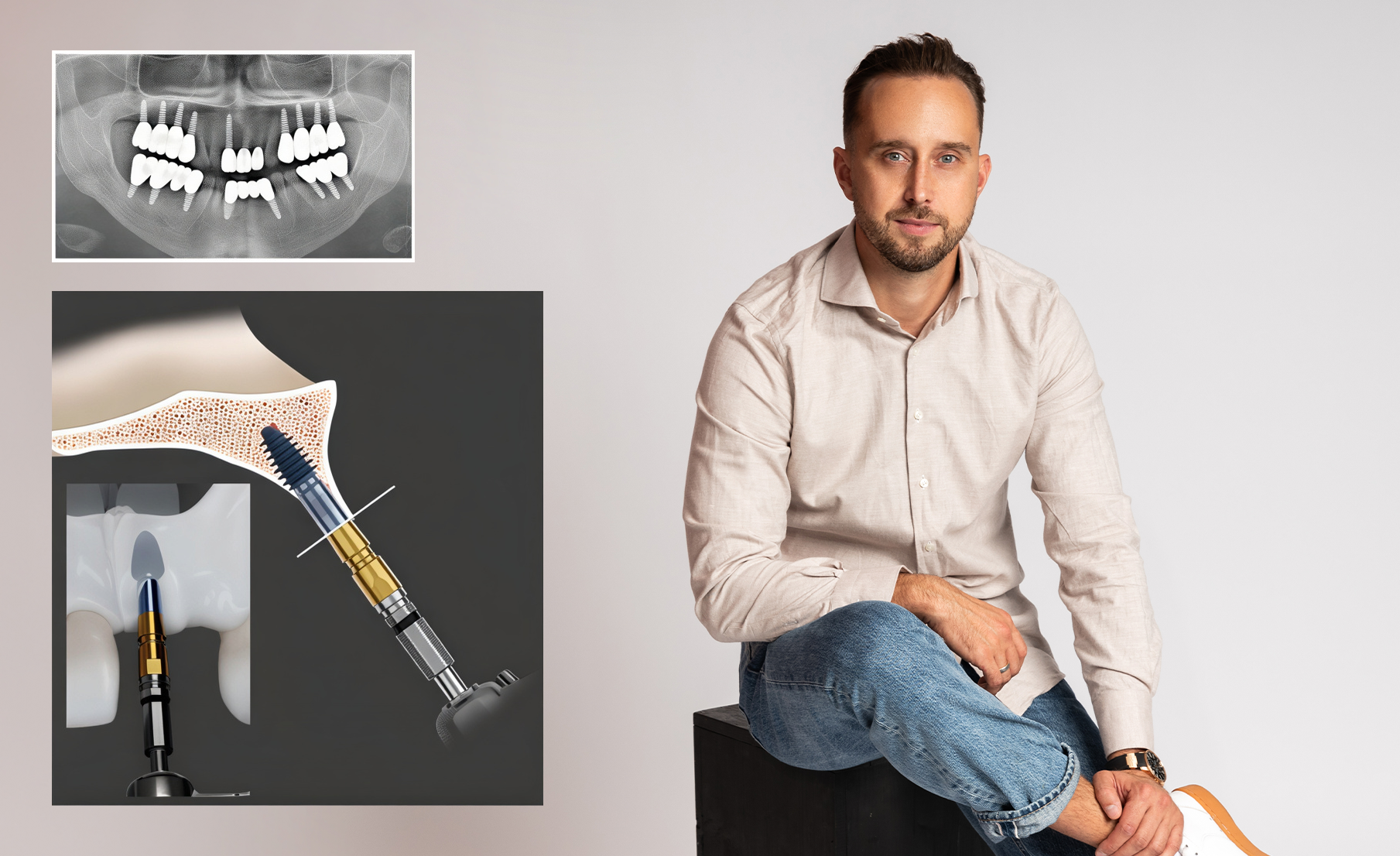
The ARi® system was specifically engineered to address these clinical limitations. According to technical specifications provided by the manufacturer, the design focuses on achieving primary stability by utilizing the basal bone. This approach potentially allows a segment of patients to bypass the need for supplemental bone augmentation, streamlining the restorative process and reducing the physical burden on the patient. However, as with all medical interventions, the suitability of this system is determined on an individual basis following a comprehensive clinical evaluation.
Technical Innovations in Implant Stability
The system’s effectiveness is rooted in several key engineering principles. The implant features a specialized thread design intended to secure immediate stability upon placement. This is complemented by advanced surface technology designed to accelerate the integration between the bone and the implant, a process known as osseointegration.
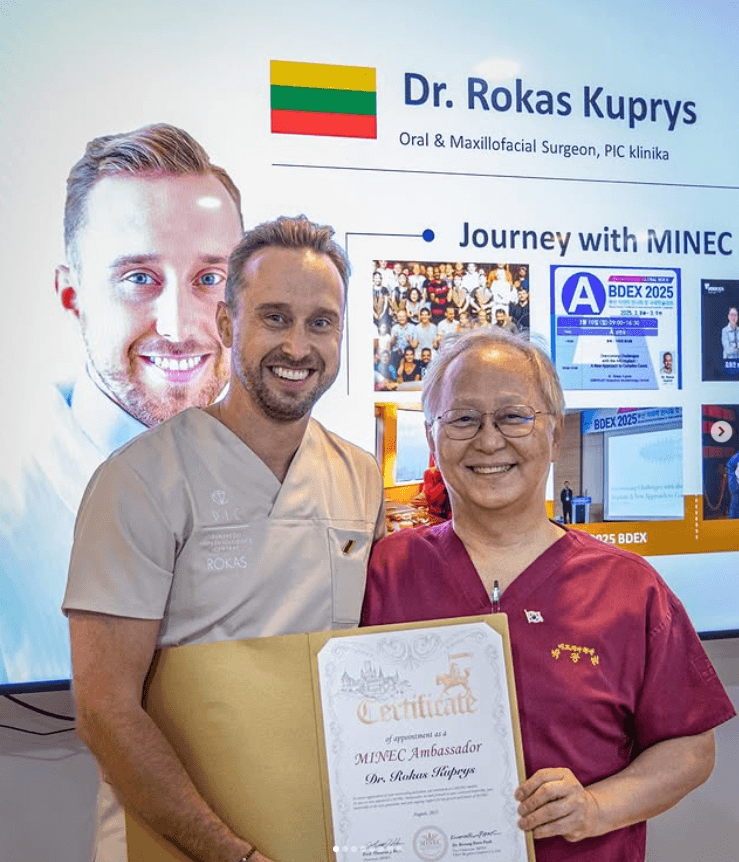
Furthermore, the physical geometry of the implant body is tailored to support soft tissue formation and ensure long-term structural integrity. These technical refinements are intended to provide a reliable solution in scenarios where traditional implants might fail due to lack of bone volume. While early clinical applications are promising, the broader medical community awaits the publication of long-term, independent clinical studies in peer-reviewed scientific literature to fully validate these outcomes.
Lithuania’s Role in Global Medical Collaboration
The adoption of the ARi® system in Panevėžys is part of a larger international collaborative effort. The technology was developed by MegaGen, a South Korean company whose medical devices are utilized in over 100 countries. Their development model actively involves practitioners from various regions to test and refine new technologies in diverse clinical environments.
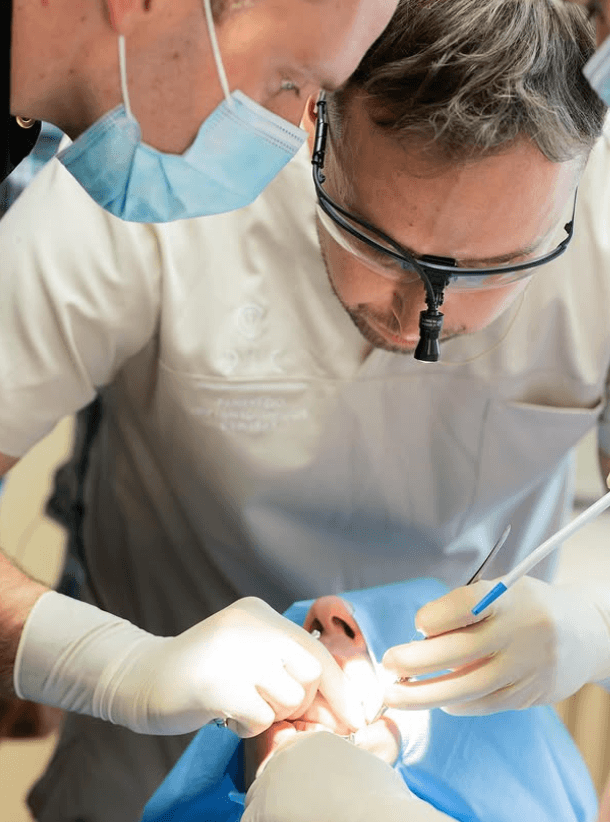
Dr. Kuprys is currently engaged in international professional training alongside the system’s creator, South Korean dental surgeon Dr. Kwang Bum Park. This partnership involves sharing clinical insights and presenting the results of these new technologies to other practitioners across Europe. Such high-level cooperation ensures that Lithuanian specialists are not merely end-users of technology but active contributors to the global discourse on dental health and surgical techniques.
Future Outlook for Oral Surgery in the Region
The introduction of next-generation implants marks a significant milestone for the Panevėžys Implantology Centre and the wider Lithuanian medical community. As these technologies become more refined, the focus remains on improving patient outcomes and reducing the invasiveness of dental procedures.
For the local healthcare sector, this development serves as a benchmark for excellence. It demonstrates that regional centers can compete with international clinics by staying updated with the latest technological advancements. As more data becomes available from clinical practices across Europe, the protocols for treating severe jawbone atrophy are expected to evolve, potentially making dental restoration more accessible and efficient for a broader range of patients.
Source: ELTA
Article contextPeople & topics2#7
What do you think about this article?
Reader Ideas Newsroom
Have a sharper angle for this topic? Add it to the community idea board and let readers vote it up for editorial review.


/linkComments
8+ useful words can earn +10-60 DP; shorter replies can still publish without DP.