Lithuania is set to begin a week of high-level diplomatic and cultural activities to mark National Communities Day, an annual observance dedicated to the country’s multicultural heritage. The 2024 program is distinguished by the first-ever official visit to Lithuania by the OSCE High Commissioner on National Minorities, Ambassador Christophe Kamp, signaling a heightened international focus on the Baltic state’s integration policies and social cohesion strategies.
The week-long series of events, which officially commences this Monday, aims to honor the contributions of various ethnic communities to the nation’s development. While the celebrations include local cultural meetings and educational workshops, the centerpiece of the week is the “iN’26: Integration and Inclusion Forum,” an international conference scheduled for May 19–20 in Vilnius. Organized by the Department of National Minorities under the Government of the Republic of Lithuania, the forum will serve as a platform for nearly 300 delegates, including scholars, NGO leaders, and state officials.
International Scrutiny and Social Cohesion
The presence of Ambassador Christophe Kamp at the “iN’26” forum highlights the geopolitical importance of minority rights and social stability in the current European climate. The OSCE High Commissioner’s mandate is specifically designed to identify and seek early resolution of ethnic tensions that might endanger peace. For Lithuania, hosting the Commissioner provides an opportunity to showcase its progress in integrating diverse populations while addressing the modern challenges of migration and regional security.
The forum’s agenda is broad, covering the critical intersection of social cohesion and national security. Experts from the Nordic and Baltic regions are expected to exchange practical experiences on how migration impacts modern society and how the state can monitor the status of national minorities effectively. A significant portion of the debate will also focus on the role of media in a multilingual environment—a topic of increasing relevance as European nations grapple with disinformation and the need for inclusive public discourse.
Recognition of Cultural Contributions
Following the conclusion of the international forum, the focus will shift to the traditional National Communities Day on May 21. This date was historically established to reflect Lithuania’s long-standing multiculturalism and to align with UNESCO’s principles regarding cultural diversity and tolerance. The day serves as a reminder of the historical role ethnic groups have played in the construction of the Lithuanian state.
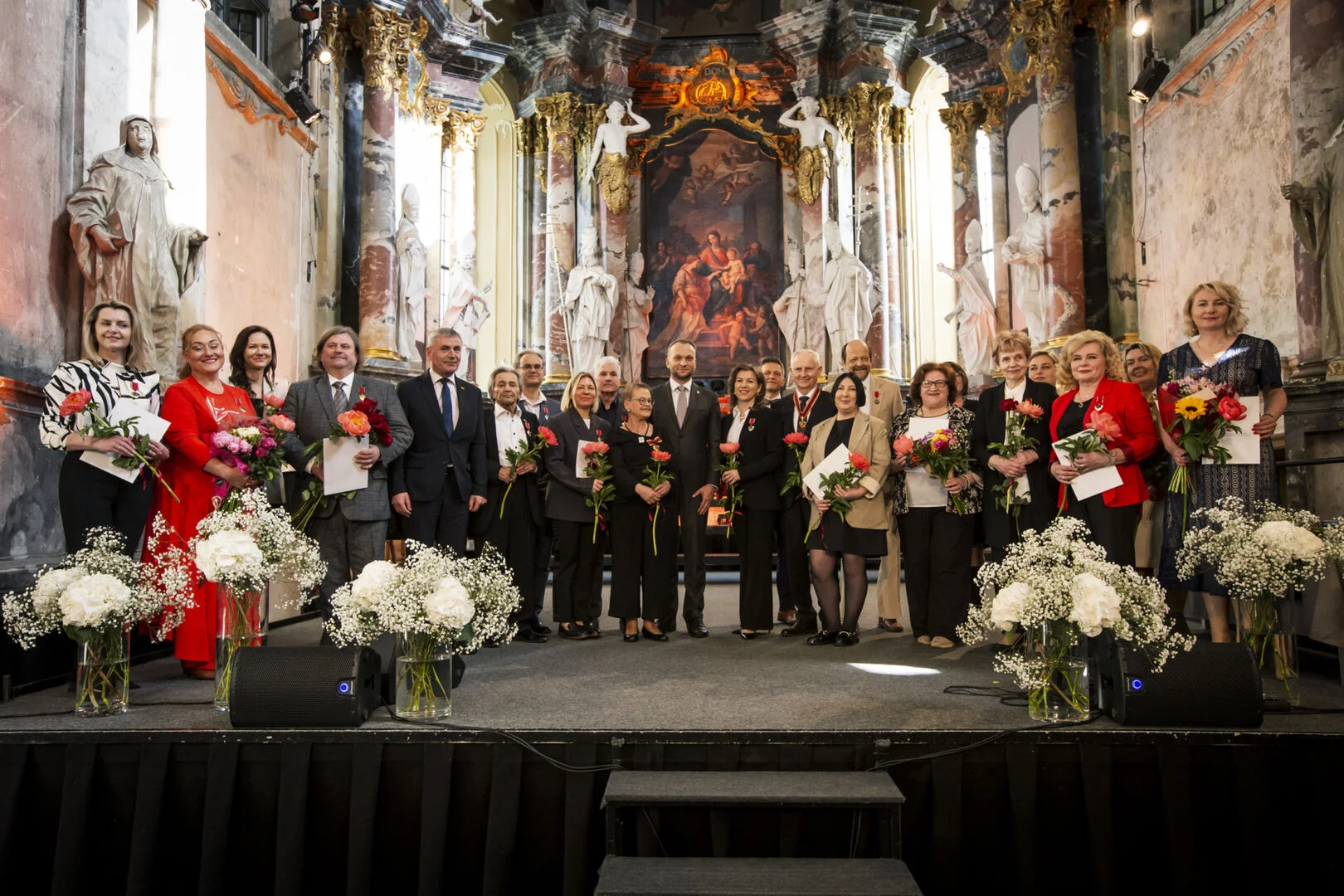
The week’s most prestigious event will take place on the evening of May 21 at St. Catherine’s Church in Vilnius. The Department of National Minorities will host its annual awards ceremony, where individuals who have made significant contributions to education, culture, and intercultural dialogue are formally recognized. These awards, ranging from honorary badges to commemorative gifts, acknowledge long-term dedication to community service and the strengthening of civic society.
A Framework for Future Integration
Beyond the immediate celebrations, the events are intended to foster a long-term dialogue on how democracy can be strengthened through the active participation of all citizens, regardless of their ethnic background. By bringing together local community leaders and international experts, the Lithuanian government aims to refine its approach to social inclusion, moving toward a more open and diverse societal model.
For international observers and the Lithuanian diaspora, the week offers a window into how a modern European state balances the preservation of historical minority identities with the pressures of contemporary migration. The discussions held in Vilnius are expected to contribute to a broader European understanding of how cultural diversity can be managed as a source of national strength rather than a point of division.
Source: BNS
Article contextPeople & topics1#5
What do you think about this article?
Reader Ideas Newsroom
Have a sharper angle for this topic? Add it to the community idea board and let readers vote it up for editorial review.

/linkComments
8+ useful words can earn +10-60 DP; shorter replies can still publish without DP.