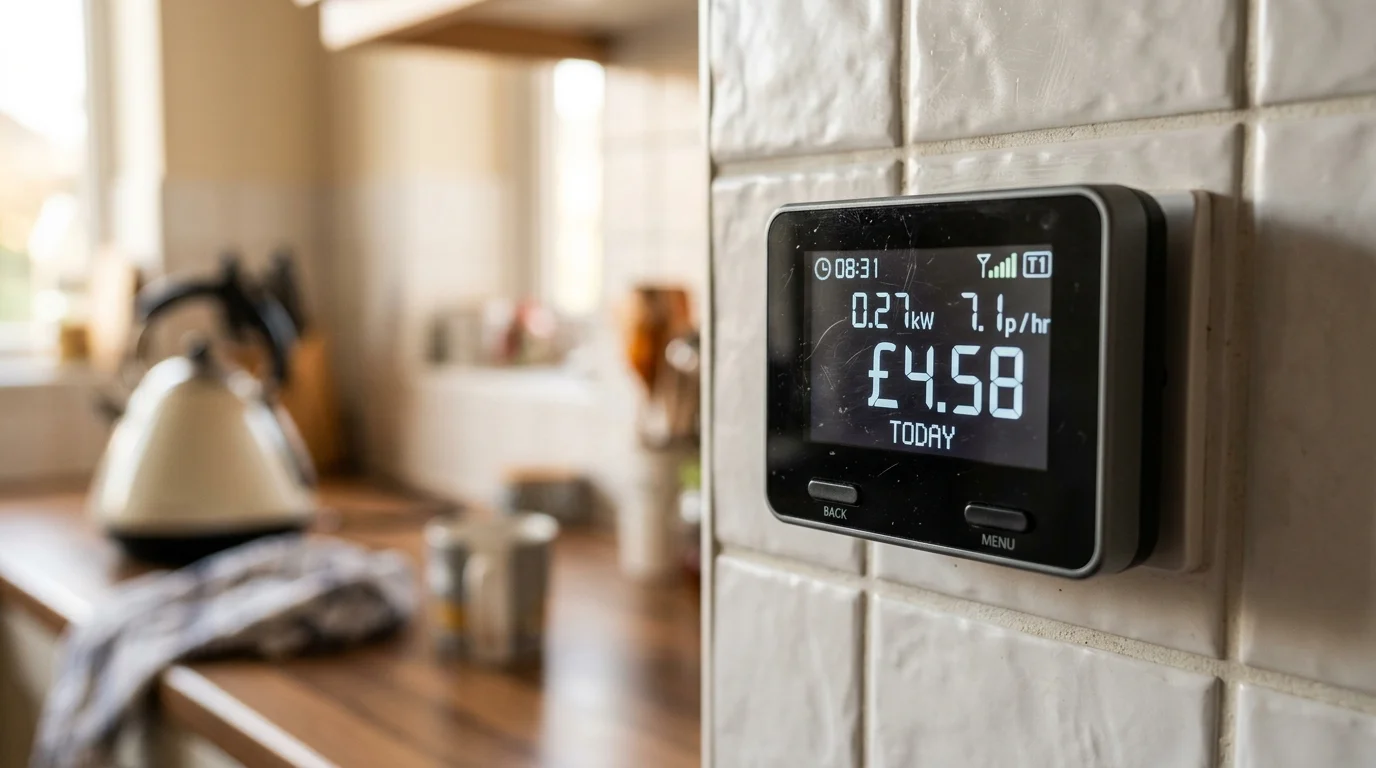
Today, May 21, 2026, Ofgem is scheduled to announce the energy price cap for the third quarter of the year. For the 27 million households on standard variable tariffs, this announcement determines the maximum price per unit of gas and electricity from July 1 to September 30. Early data from analysts at Cornwall Insight suggests a period of relative stability, with the annual cap likely to settle between £1,550 and £1,600 for a typical dual-fuel household—a marginal decrease from the current spring levels.
While the headline figure is expected to drop slightly, the actual impact on your bank account depends entirely on your household consumption. The price cap is not a limit on your total bill; rather, it is a limit on the maximum price per kilowatt-hour (kWh) and the daily standing charge that suppliers can levy. If you use more energy than the average household, your annual costs will exceed the headline cap figure.
Cornwall Insight Forecast for July to September 2026
Market analysts at Cornwall Insight have tracked wholesale energy prices over the last three months to provide a forecast of today’s announcement. Wholesale gas prices have remained largely stable despite geopolitical tensions, allowing for a modest reduction in the cap compared to the April-June period.
| Period | Typical Annual Bill (Forecast) |
|---|---|
| Current (April – June 2026) | £1,690 (Estimated) |
| New (July – Sept 2026) | £1,550 – £1,600 |
This projected decrease of approximately £90 to £140 per year represents a small relief for consumers, but prices remain significantly higher than pre-2021 levels. It is important to note that these figures are based on a “typical” household using 2,700 kWh of electricity and 11,500 kWh of gas per year. Households in larger properties or those with lower energy efficiency will likely see higher costs.
Understanding Unit Rates and Standing Charges
When Ofgem releases the official figures this morning, the focus will be on two specific components: the unit rate and the standing charge. The standing charge is a fixed daily fee paid regardless of how much energy you use. It covers the cost of maintaining the energy network and the costs associated with failed suppliers.
Recent reforms have seen standing charges rise, a move that has been criticized for disproportionately affecting low-energy users. While Jonathan Brearley, CEO of Ofgem, has previously indicated a review into how these charges are structured, no significant reduction is expected in the July update. Consumers should look closely at the regional variations in these charges, as they can differ significantly between London, the North West, and Scotland.
Why the Cap is Changing Now
Ofgem updates the price cap every three months to reflect the costs suppliers face when buying energy on the wholesale market. The July update specifically covers the summer months when gas demand for heating is at its lowest, but electricity demand for cooling and appliances remains steady.
The stabilization of the wholesale market is the primary driver behind the July forecast. However, the Department for Energy Security and Net Zero continues to monitor global supply chains. Any sudden volatility in international gas markets during the summer could impact the subsequent cap update scheduled for October 1, which covers the start of the winter heating season.
Practical Steps for Households This Summer
With the cap likely to stay around the £1,600 mark, many households may find that fixed-rate deals are becoming competitive again. For the first time in several cycles, some suppliers are offering fixed tariffs that sit slightly below the projected Ofgem cap.
Before switching, it is vital to check for exit fees. If you are currently on a standard variable tariff (the default for most), you are free to switch at any time without penalty. However, if the market experiences another spike in wholesale costs, being on the price cap provides a level of protection that a poorly timed fixed deal might not. Households are encouraged to submit a meter reading on June 30 to ensure their supplier does not bill summer usage at the older, potentially higher spring rates.
Source: Ofgem
Source check Energy Market Data Trail
Based on official Ofgem scheduling and Cornwall Insight wholesale market analysis for the Q3 2026 period.
- Cross-referenced Cornwall Insight press releases with Ofgem's 2026 regulatory calendar.
- Verified typical household usage definitions as per current DESNZ standards.
- Confirmed the distinction between unit rate caps and total bill maximums.
- Source
- Ofgem News and Views
- Scope
- United Kingdom
- Updated
- 2026-05-21 10:47
Source check
Report a trust issue
Send a clear signal to community moderation if the source, facts or context need review.
Article contextPeople & topics1#6
What do you think about this article?
Reader Ideas Newsroom
Have a sharper angle for this topic? Add it to the community idea board and let readers vote it up for editorial review.



/linkComments
8+ useful words can earn +10-60 DP; shorter replies can still publish without DP.