North Yorkshire shoppers warned over AI shop scams
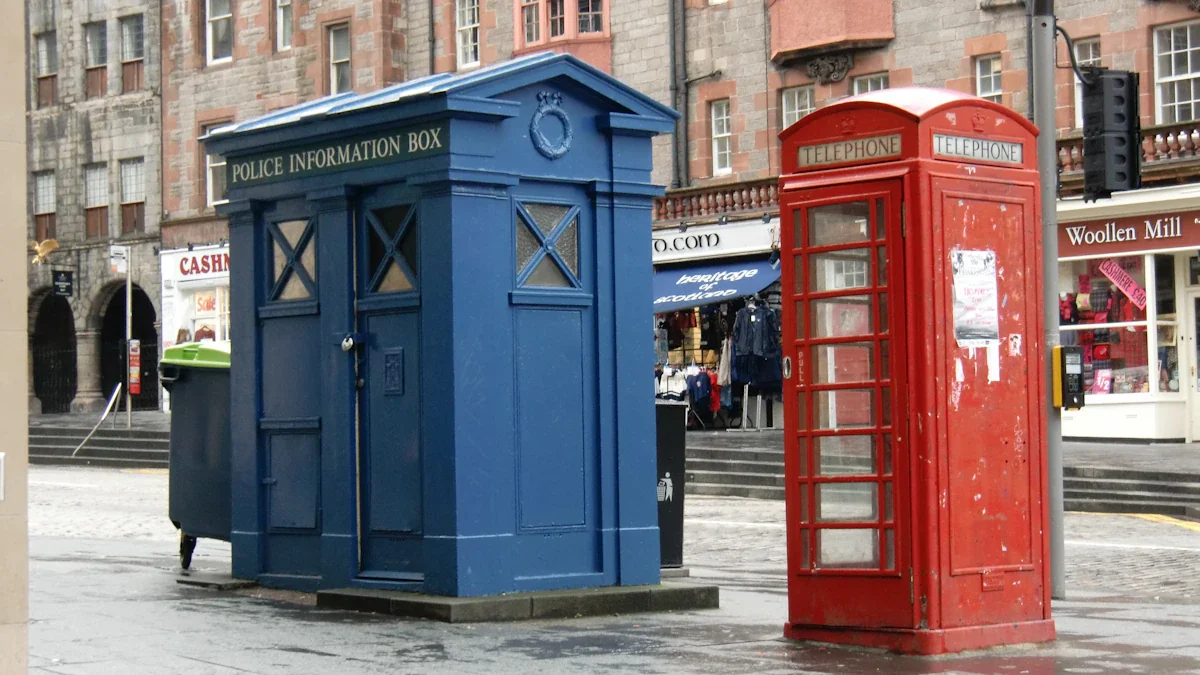
Shoppers in North Yorkshire are being warned to slow down before buying from unfamiliar online stores, after trading standards officers reported a rise in complaints about AI-generated scam websites posing as trusted UK high street retailers.
The warning applies to bargain hunters buying online from sites that show polished shopfront photos, smiling customers and familiar-looking UK locations. North Yorkshire trading standards says some residents believed they were ordering from genuine UK businesses, only to lose money or receive poor-quality goods from overseas sellers.
Anyone unsure about a website should check its contact details, verify any shopfront image, look at when the site or social media account was created and confirm company details before paying.
AI-made shopfronts are making fake retailers look familiar
The scam websites are designed to feel reassuring. They often use professional-looking images of high street shops, UK streets and satisfied customers, giving the impression that the retailer has a real physical presence in Britain.
Trading standards officers say the problem is that some of these images and website text are generated using artificial intelligence. Behind the familiar branding and local-looking storefronts, the seller may be based overseas, primarily in China, rather than operating as a UK high street business.
That matters because shoppers may make a different decision if they realise they are buying from an anonymous overseas trader. Returns can become difficult, refunds may be hard to secure, and goods may not meet the standard customers expected when they believed they were dealing with a UK retailer.
The warning also reflects a wider pattern in online retail fraud, where fake stores and social media ads are used to create a quick sense of trust. Munisha has previously covered the growing risk from online shop scams, including how convincing storefronts and paid posts can steer shoppers toward fraudulent sellers.
Around 20 North Yorkshire residents a month are complaining
Councillor Richard Foster, North Yorkshire Council’s executive member for managing the environment, said trading standards officers are now receiving complaints from around 20 residents every month who believed they were buying from genuine UK businesses.
“Instead, many have either lost their money entirely or received poor quality, and potentially unsafe, goods,” he said.
He added that victims often discover it is “virtually impossible” to return items or obtain a refund, leaving them out of pocket with little practical recourse.
The cases being reported are not just about disappointing purchases. The concern is that AI-generated scam websites can remove the usual warning signs shoppers might once have noticed, such as badly written text, poor images or obviously fake business details.

Checks to make before pressing buy
North Yorkshire trading standards is urging shoppers to make a few quick checks before ordering from a site they do not already know.
Businesses selling goods online must provide contact details. If those details are missing, vague or cannot be verified, the advice is not to continue with the purchase.
If a website shows a shopfront, check whether that shop appears at the claimed location using online street maps. A polished image on a website is not proof that the business exists where it says it does.
Read reviews and comments on social media posts carefully. Look for repeated wording, recently created profiles, unanswered complaints or comments that appear to have been hidden or restricted.
Check when the website and its social media accounts were set up. Scam sites are often newly created, especially when they are built around seasonal discounts, closing-down claims or heavy promotions.
If a business claims to be a limited company, check its company details through the government’s business and industry records. This can show who operates the company and when it was set up.
What to do if goods do not arrive
People who want to report a suspicious website, faulty goods or non-delivery can contact the Citizens Advice Consumer Helpline on 0808 223 1133. Advice is also available through webchat on the Citizens Advice website.
Councillor Foster said AI has many positive uses when used responsibly, but is increasingly being used to mislead shoppers who might otherwise avoid anonymous overseas sellers.
“I would strongly urge people to spend a few minutes confirming who they are buying from and questioning whether a business and its products really are as they are being advertised,” he said.
Source: North Yorkshire Council
Source check Source trail
This article is based on North Yorkshire Council’s trading standards warning and keeps the advice focused on checks shoppers can make before buying.
- Matched the warning to North Yorkshire trading standards and the affected local residents.
- Kept the reported complaint figure as around 20 residents per month.
- Preserved the named reporting route through the Citizens Advice Consumer Helpline.
- Separated confirmed council advice from broader online shopping context.
- Source
- North Yorkshire Council
- Scope
- North Yorkshire
- Updated
- 2026-05-27 12:19
Source check
Report a trust issue
Send a clear signal to community moderation if the source, facts or context need review.



Comments