Nîmes Tourism Defies Economic Pressures with 400,000 Early Stays
In a period marked by fluctuating fuel prices and geopolitical uncertainty, the southern French city of Nîmes has reported a robust start to its 2026 tourism season. Data released by the local Tourism Office reveals that the city recorded 400,000 overnight stays during the first four months of the year, a figure that mirrors the strong performance of 2025 despite significantly higher travel costs.
This resilience is particularly notable given the current economic climate. While rising aviation fuel prices and inflation have dampened consumer spending across much of Europe, Nîmes has maintained its appeal through a strategic mix of cultural heritage and high-profile events. The data, captured via the FluxVision system which tracks mobile phone signals to provide precise visitor metrics, shows an even split between domestic French travelers and international visitors.
Resilience in the Face of Global Economic Headwinds
The stability of these figures suggests that Nîmes is successfully insulating itself from broader market volatility. The early part of the year was bolstered by a packed cultural calendar, including the Flamenco Festival, the Nîmes Urban Trail, and the prestigious Journées Romaines. These events have proven to be reliable anchors for the local economy, drawing crowds even when discretionary spending is under pressure elsewhere.
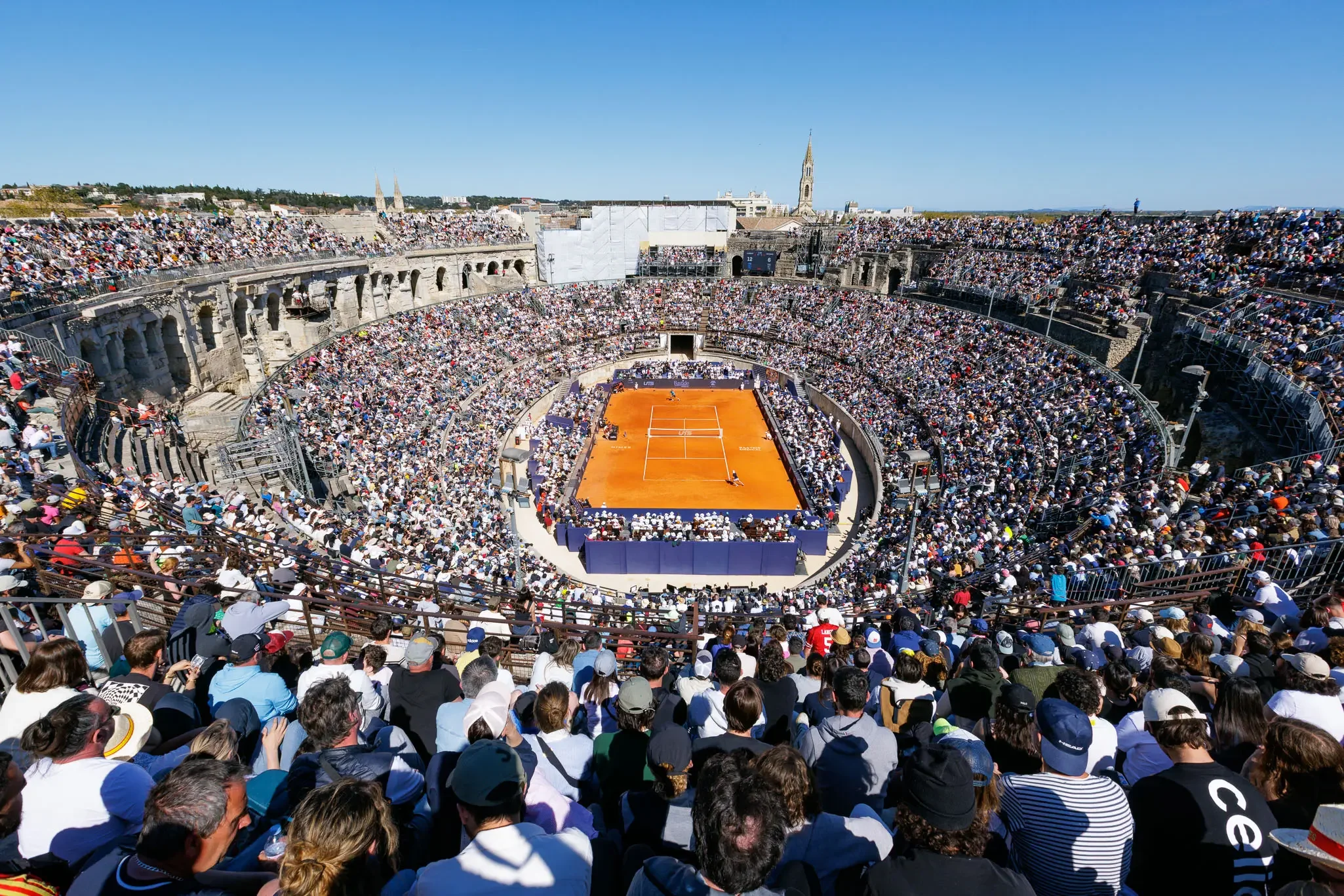
One of the most striking successes was the Bastide UTS Nîmes tennis event in early April. The growth in overnight stays linked specifically to this event highlights the increasing importance of sports tourism in the region’s portfolio.
| Event Metric | 2025 Performance | 2026 Performance |
|---|---|---|
| Bastide UTS Overnight Stays | 9,700 | 12,000+ |
| Total Jan-April Stays | 400,000 | 400,000 |
| Economic Contribution | ~12% of local GDP | ~12% of local GDP |
While these numbers are encouraging, they do not yet guarantee a record-breaking summer. Tourism officials remain cautious, noting that the ongoing conflict in the Middle East and its impact on global travel patterns are forcing a rethink of marketing strategies. The goal is no longer just to attract volume, but to target specific demographics that are less sensitive to price fluctuations and more interested in the city’s unique historical identity.
The Economic Weight of the “French Rome”
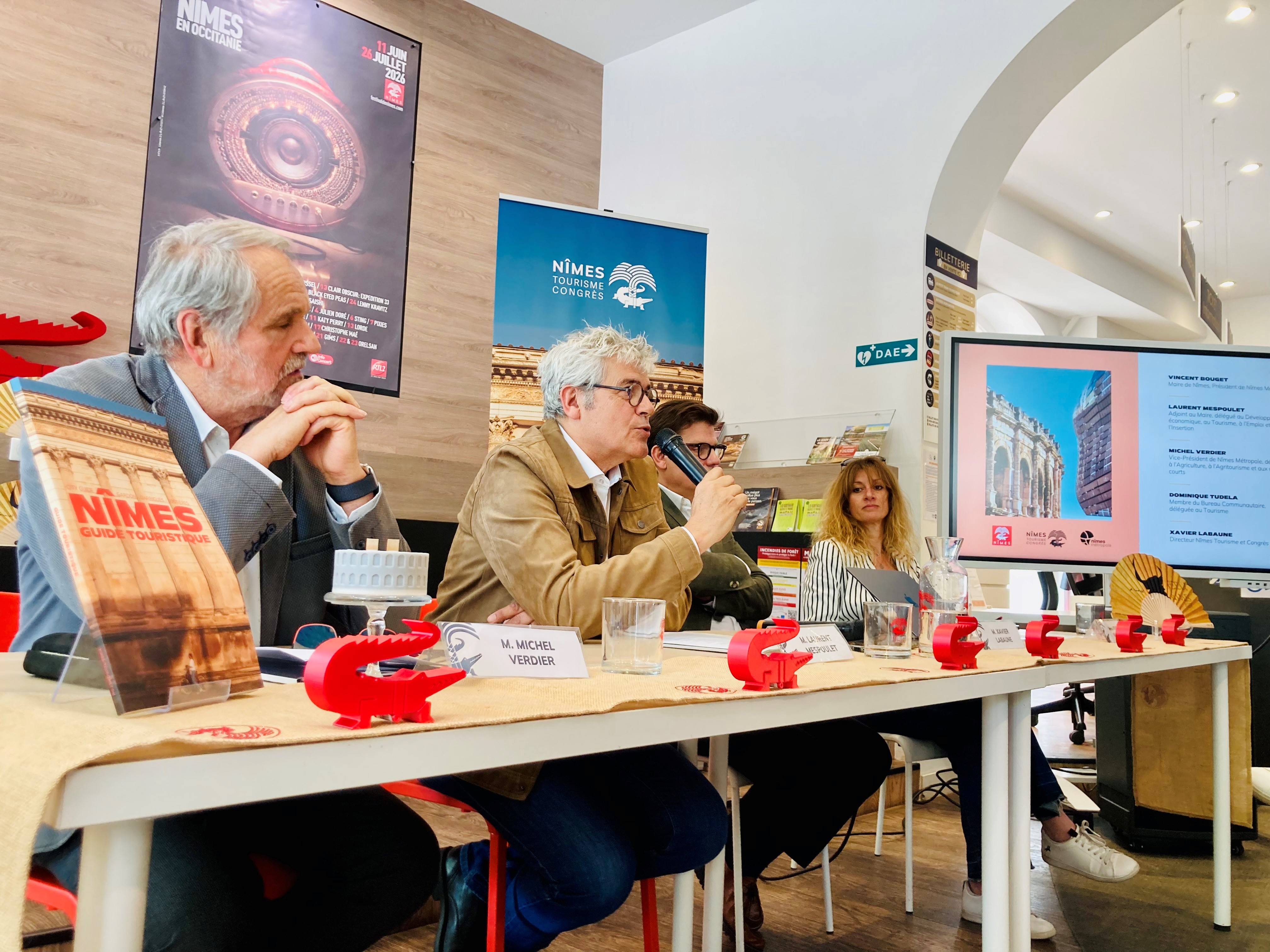
Tourism is not merely a secondary industry for Nîmes; it is a primary engine of growth. Laurent Mespoulet, the Deputy for Economic Development and Tourism, emphasized that the sector accounts for more than 12% of the city’s total economy. This high level of integration means that the success of the Tourism Office has a direct ripple effect on local employment and infrastructure investment.
“Tourism is not an isolated public policy,” Mespoulet stated. “It participates fully in economic development. We are defending a balanced, sustainable, and qualitative tourism model—one that respects our heritage and identity while benefiting the entire community.”
This shift toward “qualitative” tourism is a response to the universal challenge of over-tourism and environmental impact. By focusing on the quality of the experience rather than just the number of arrivals, Nîmes aims to attract visitors who stay longer and spend more locally, rather than day-trippers who place a strain on resources without providing a significant economic return.
Adapting to Climate and Geopolitical Shifts
Looking ahead to the peak summer months of July and August 2026, the city is introducing several innovations designed to accommodate changing traveler needs and environmental realities. A key focus is the management of summer heat, which has become an increasing concern for Mediterranean destinations.
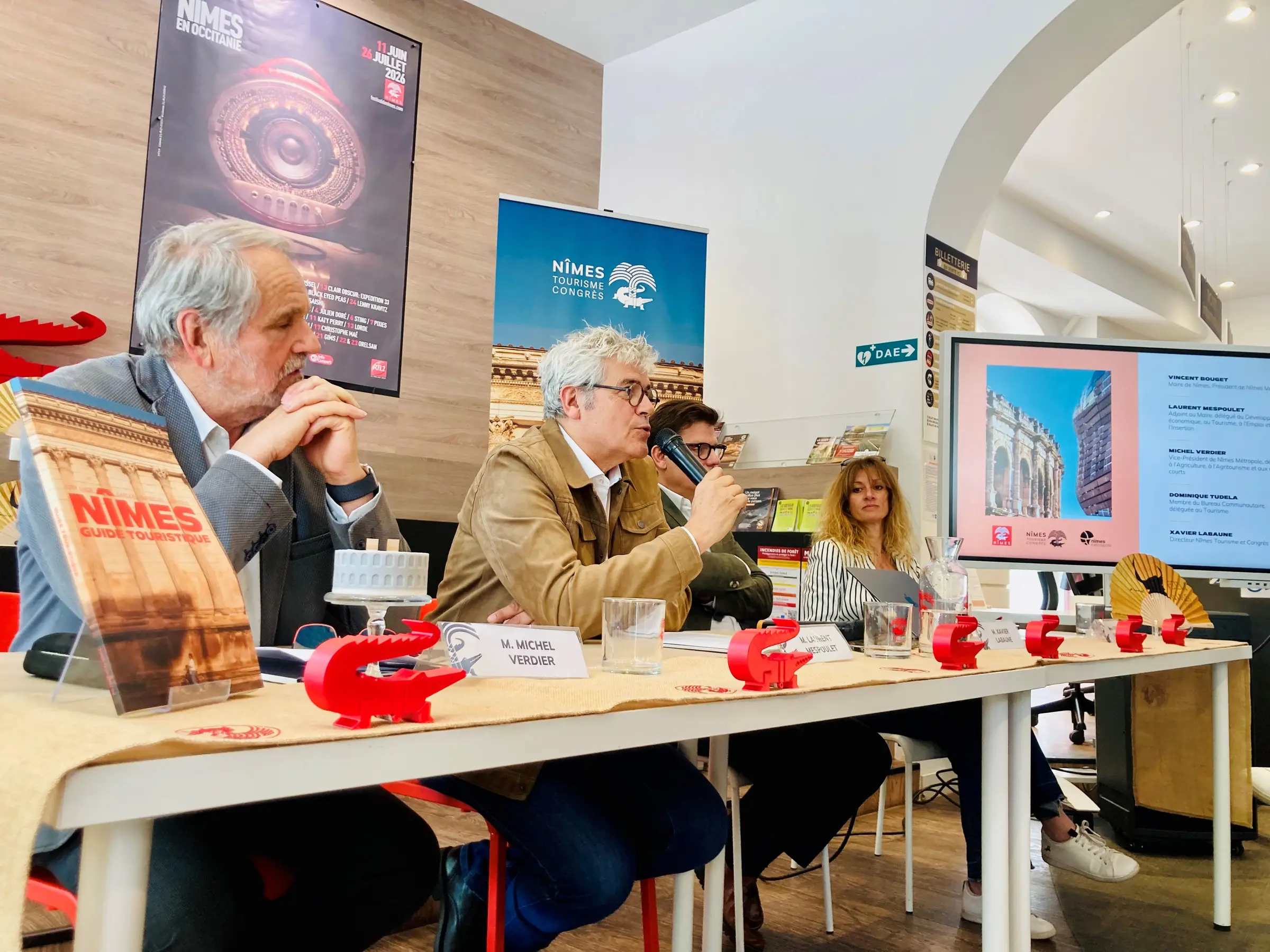
To address this, the city is doubling its “Nîmes au clair de lune” (Nîmes by Moonlight) tours. These guided walks begin at 9:00 PM, allowing visitors to explore the city’s Roman monuments in cooler temperatures. Additionally, the city is launching “flash visits,” which offer shorter, more focused historical insights, and a new 190-page comprehensive guide available in eight languages to cater to the diverse international crowd.
The strategy for the remainder of 2026 focuses on diversification. With 133 scheduled tours in Nîmes and another 33 in the surrounding metropolitan area, the city is attempting to spread the tourist load geographically, encouraging visitors to explore the wider Agglo region. This approach not only alleviates pressure on the city center but also ensures that the economic benefits of tourism are shared by smaller surrounding communes.
As the season progresses, the Tourism Office will be monitoring booking indices for August closely. While the early indicators are “very positive,” the volatility of the global economy remains the primary caveat in an otherwise optimistic forecast.
Original reporting by: nimes
Source: Vivre Nîmes (Ville de Nîmes)


Comments