New NHS Pharmacy Rules: 7 Conditions You Can Treat Without a GP
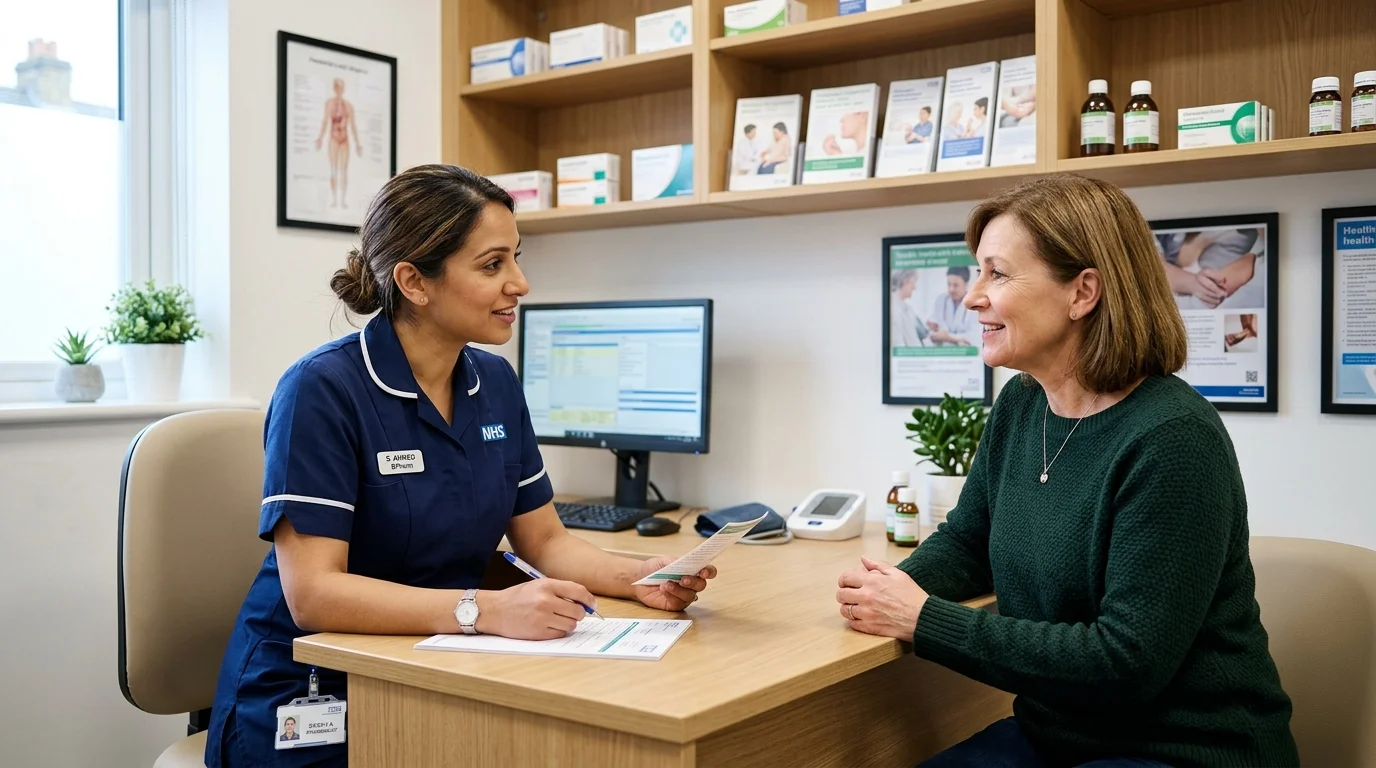
As of May 2026, patients in England can bypass GP waiting rooms for seven common ailments. The expanded ‘Pharmacy First’ initiative, backed by NHS England and the Department of Health and Social Care, empowers high-street pharmacists to diagnose and prescribe treatments—including antibiotics and antivirals—directly. This shift aims to free up approximately 10 million GP appointments annually, ensuring faster care for minor illnesses while allowing doctors to focus on complex cases.
The 7 Conditions and Age Eligibility
Under the Pharmacy First scheme, pharmacists can provide advice and NHS-funded treatment for specific conditions. If the pharmacist deems it clinically necessary, they can issue prescription-only medicines without the patient needing to see a General Practitioner.
| Medical Condition | Age Eligibility Criteria |
|---|---|
| Sinusitis | Adults and children aged 12 years and over |
| Sore throat | Adults and children aged 5 years and over |
| Earache (Acute Otitis Media) | Children and young people aged 1 to 17 years |
| Infected insect bites | Adults and children aged 1 year and over |
| Impetigo | Adults and children aged 1 year and over |
| Shingles | Adults aged 18 years and over |
| Uncomplicated UTIs (Women) | Women aged 16 to 64 years |
How to Access a Consultation
You do not need to book an appointment to use this service. Patients can simply walk into a participating pharmacy and ask for a Pharmacy First consultation. Additionally, you may be referred to the pharmacy by NHS 111, your GP surgery, or emergency departments.
During the consultation, the pharmacist will conduct a clinical assessment in a private consultation room. They will review your medical history and symptoms. If your condition is covered by the scheme and treatment is required, they can provide the necessary medication. If the pharmacist identifies more serious symptoms (often called ‘red flags’), they will refer you to a GP or the appropriate urgent care service immediately.
Prescriptions and Costs
While the consultation itself is a free NHS service, standard rules for prescriptions apply. If the pharmacist prescribes a medicine, you will pay the standard NHS prescription charge unless you are normally exempt from paying. The pharmacist will record the outcome of the consultation and share this information with your GP surgery to ensure your medical records are kept up to date.
Most high-street pharmacies in England are now part of this scheme. You can identify participating locations by looking for the Pharmacy First signage or by checking the NHS website for local providers.
To ensure a smooth visit, it is helpful to have your NHS number ready, though it is not strictly required for the consultation to proceed.
Frequently Asked Questions
What is the NHS Pharmacy First scheme and why should I use it instead of calling my GP?
The Pharmacy First initiative is a clinical service in England that empowers high-street pharmacists to act as your first point of medical contact for seven specific conditions. Unlike traditional over-the-counter advice, pharmacists now have the authority to diagnose and prescribe NHS-funded treatments, including antibiotics, without you needing a GP referral. You should use this service to bypass lengthy surgery wait times and receive clinical-grade care on the same day you experience symptoms.
How do I start a consultation and what should I bring to the pharmacy?
You do not need to book an appointment. Simply walk into a participating pharmacy and ask for a ‘Pharmacy First’ consultation. You will be seen in a private consultation room to ensure confidentiality. To make the process smoother, it is helpful to have your NHS number (found in the NHS App) and a list of any current medications or allergies. If you are eligible for free prescriptions, bring your proof of exemption so the medication can be provided at no cost.
How does this new rule affect my prescription costs and local healthcare access?
The service itself is free. If the pharmacist prescribes medication, you will pay the standard NHS prescription charge, exactly as you would at a GP surgery. If you are normally exempt from charges, the treatment remains free. This shift significantly improves local access by diverting minor cases away from GP clinics, which effectively ‘unlocks’ millions of appointments for patients with chronic or complex health needs that requires a doctor’s specialist attention.
What happens if the pharmacist cannot treat me or if my symptoms get worse?
Pharmacists are trained to identify ‘red flag’ symptoms that require more intensive care. If your condition is outside the scheme’s scope, they will provide a direct referral to a GP or an Urgent Treatment Centre. If you receive treatment but your symptoms do not improve within the expected timeframe, you should contact your GP or call NHS 111. You can verify which local pharmacies are participating by using the ‘Find a Pharmacy’ tool on the official NHS website.
Source: NHS England
Source check Official NHS Guidance
This guide is based on the latest Pharmacy First service specifications released by NHS England for the 2026 expansion.
- Verified eligible conditions against NHS England service data
- Confirmed age limits for pharmacist-led prescribing
- Validated referral pathways from GP surgeries and NHS 111
- Source
- NHS England Pharmacy First
- Scope
- England
- Updated
- 2026-05-19 15:47
Source check
Report a trust issue
Send a clear signal to community moderation if the source, facts or context need review.



Comments