Lithuania Targets High-Value Growth with €2.3bn Investment Plan
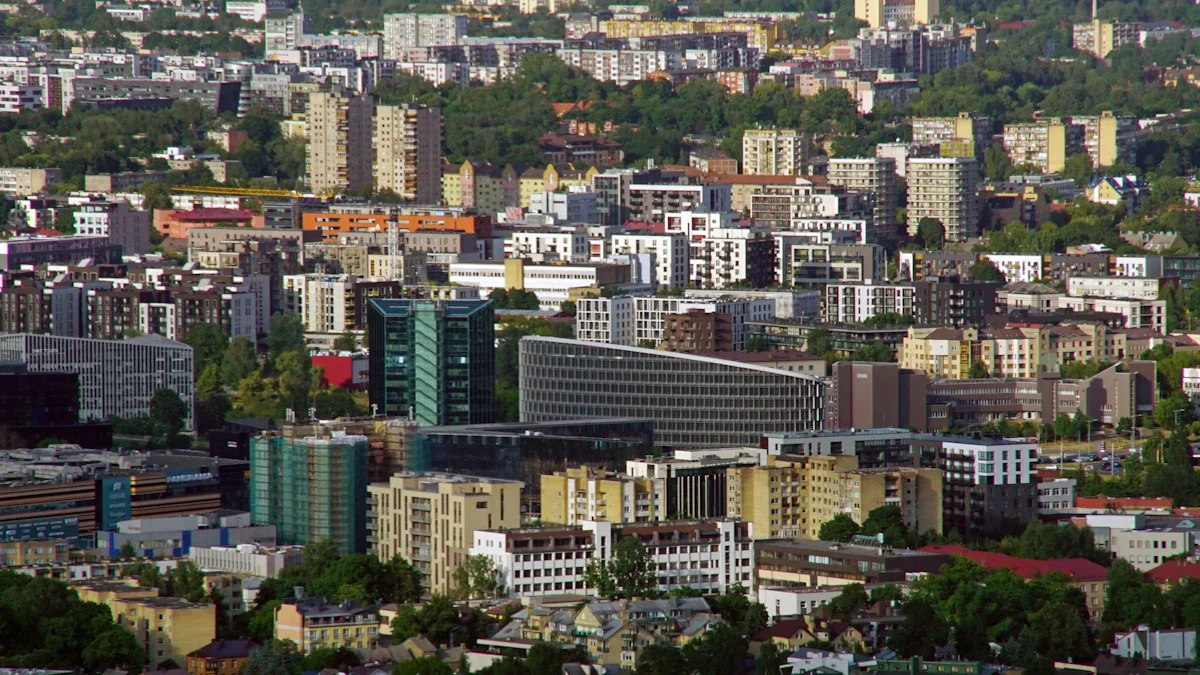
Lithuania’s Finance Minister, Kristupas Vaitiekūnas, has outlined a strategic shift for the Klaipėda region, pivoting away from traditional logistics and tourism toward high-value-added sectors. Backed by a national financial package of €2.3 billion, the plan aims to transform the Baltic coast into a hub for defense, green energy, and advanced manufacturing.
While the Klaipėda region currently enjoys a robust economic foundation due to its deep-water port and established tourism sector, the Ministry of Finance argues that the area lacks the necessary infrastructure to attract top-tier international investment. The new strategy leverages a combination of European Union funds, national budget allocations, and instruments from ILTE—Lithuania’s national development bank—to bridge this gap.
Strategic Allocation of Regional Funding
The financial roadmap for the region is defined by a heavy emphasis on social stability and environmental sustainability, which the government views as prerequisites for attracting high-skilled labor. Of the €335 million in EU funds specifically earmarked for the Klaipėda region, the local municipalities have already planned investments totaling €220 million.
| Investment Sector | Allocated Amount (EUR) |
|---|---|
| Social Infrastructure (Health, Schools, Housing) | €159.7 Million |
| Environmental & Green Projects (Water, Parks, Cycling) | €77.5 Million |
| Regional EU Funding Pool (Total) | €335 Million |
| National ILTE Financial Instruments (Total) | €2.3 Billion |
Currently, the region is managing a significant project pipeline, with 66 initiatives recently completed and another 282 projects under active implementation. This volume of work suggests a massive administrative push to modernize the region’s core services before the larger-scale industrial shift takes place.

Defense and Energy: The New Economic Pillars
A critical component of Minister Vaitiekūnas’s announcement is the utilization of the €2.3 billion ILTE fund. Unlike traditional grants, these financial instruments are designed to stimulate private sector participation in high-risk or high-capital sectors. The government is specifically targeting defense and security projects—a move that reflects the broader geopolitical climate in the Baltic states.
Furthermore, the development of Free Economic Zones (LEZ) will be prioritized. This includes the construction and reconstruction of buildings specifically for science and industrial purposes, moving beyond simple warehousing. By modernizing industrial zones in outlying areas like Skuodas and Kretinga, the ministry hopes to spread the economic benefits of the port beyond the city of Klaipėda itself.
There is, however, a caveat to this ambitious plan. The transition to a high-value economy requires more than just capital; it requires a specialized workforce. While the investment in schools and social housing addresses the quality of life, the success of the industrial zones in Skuodas and Kretinga will depend on whether these areas can attract the talent necessary for R&D-heavy industries.

Modernizing Maritime and Tourism Infrastructure
Beyond heavy industry, the plan includes targeted upgrades to the region’s maritime identity. This involves the modernization of the inland water port in Juodkrantė and the installation of public tourism infrastructure at the Šventoji seaport. These projects are intended to refine the region’s “blue economy,” ensuring that tourism remains a viable, albeit more sophisticated, contributor to the local GDP.
The government’s approach grants regional authorities more autonomy in planning these investments. By allowing local leaders to set priorities based on their specific resources, the Ministry of Finance aims to foster a sense of ownership that could accelerate the implementation of complex projects. For international investors, this signal of long-term stability and state-backed financial support makes the Lithuanian coast an increasingly attractive prospect for ventures in the renewable energy and defense sectors.
Source: BNS
Source check Economic Policy Briefing
Based on official statements from the Lithuanian Ministry of Finance regarding regional investment strategies and EU fund allocation.
- Verified the €2.3 billion ILTE funding figure against national development bank records.
- Cross-referenced regional project counts (282 ongoing) with Lithuanian investment program...
- Confirmed the specific allocations for social and green infrastructure in the Klaipėda dis...
- Source
- bns
- Scope
- Klaipėda
- Updated
- 2026-05-19 13:08
Source check
Report a trust issue
Send a clear signal to community moderation if the source, facts or context need review.


Comments