Lithuania’s €70m Biofuel Hub: Processing Half the Nation’s Rapeseed

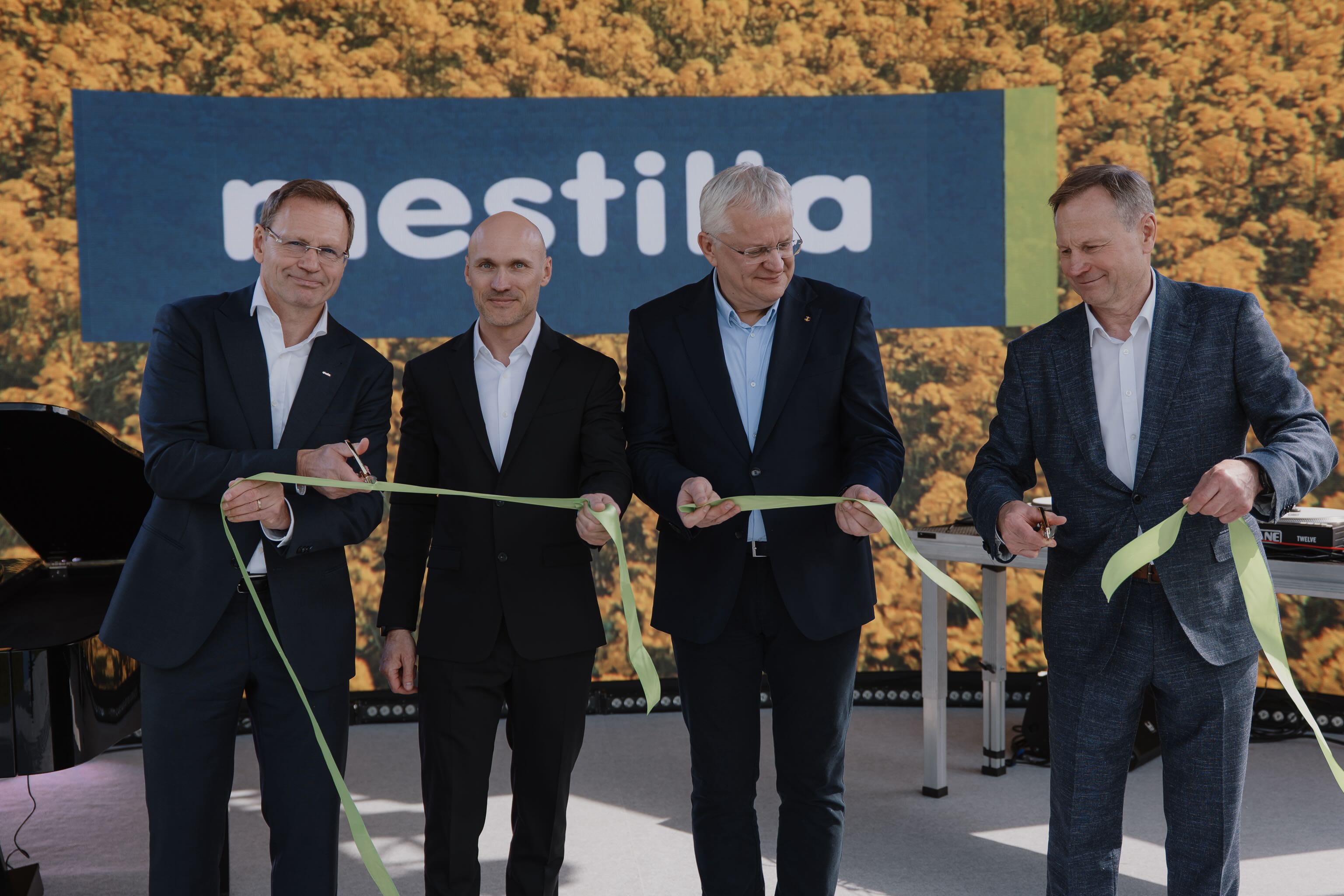
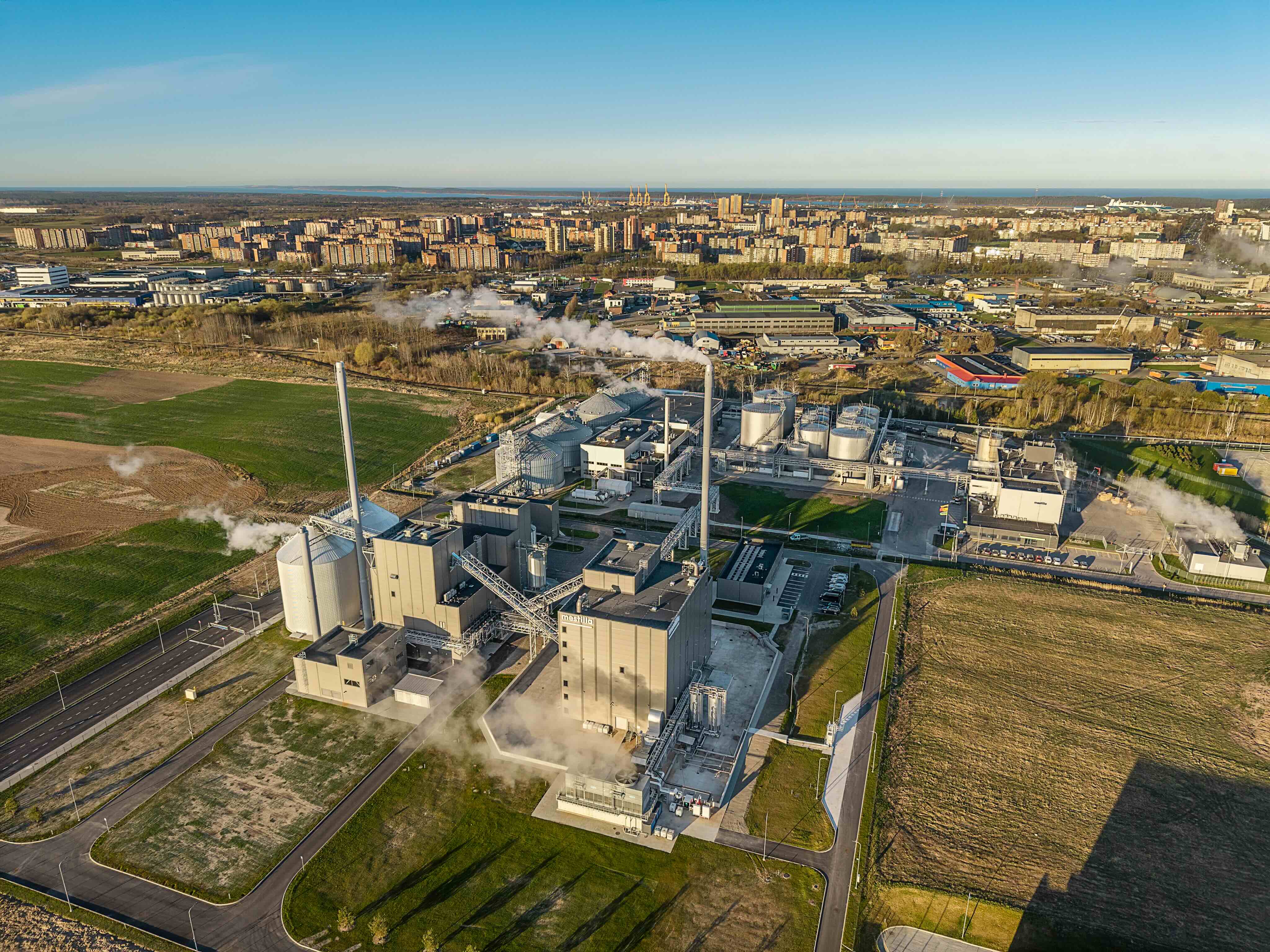
A €70 million investment in industrial infrastructure has officially reached completion in the Baltic region, marking a significant shift in how Lithuania manages its agricultural output and energy security. The opening of the new Mestilla rapeseed processing plant in the Klaipėda Free Economic Zone (LEZ) represents one of the largest private capital investments in the country’s history, designed to process approximately 500,000 tonnes of seeds annually.
To put that figure into perspective, this single facility is now equipped to handle roughly half of Lithuania’s entire annual rapeseed harvest. This scale transforms the plant from a local business venture into a critical node for the national economy and the broader European green energy transition.
The Economics of Large-Scale Infrastructure
The project, which took three and a half years to design and construct, serves as a case study in managing industrial development during a period of high global inflation. While many infrastructure projects across Europe have seen budgets spiral, Mestilla reported that its initial budget was exceeded by only 15%. The company notes that starting the same project today would likely cost upwards of €100 million, highlighting the strategic advantage of their investment timing.
| Key Metric | Project Data |
|---|---|
| Total Investment | €70 Million |
| Annual Seed Processing Capacity | 500,000 Tonnes |
| National Crop Share | ~50% of Lithuanian Rapeseed |
| Estimated CO2 Reduction | 550,000 Tonnes per Year |
| Construction Duration | 3.5 Years |
The output of the facility is split into two primary streams: 60% of the raw material is converted into high-value protein feed for the livestock sector, while the remaining 40% is processed into biodiesel. This fuel is integrated into the national diesel supply, used by both commercial transport and private consumers, directly supporting Lithuania’s efforts to reduce its reliance on imported fossil fuels.
Balancing Industrial Growth with Urban Living
One of the most significant challenges for the project was its proximity to the city of Klaipėda. The previous, smaller facility was often a point of contention for local residents due to residual odors. To address this, the new plant incorporates advanced neutralization technologies from the Belgian company Desmet, a global leader in oilseed processing.
In a move to ensure community compatibility, the old factory is being decommissioned. The previous low-level vents on the roof have been replaced by two 70-meter-high chimneys. Engineers state that at this height, combined with modern filtration, any residual odors are physically prevented from reaching ground level in detectable concentrations. Arūnas Zubas, CEO of Mestilla, emphasized that the two-year planning and approval process was accelerated by constructive dialogue with the city municipality, proving that heavy industry and urban communities can coexist when environmental standards are prioritized.
Strategic Resilience and Long-term Impact
From a national perspective, the facility strengthens Lithuania’s “energy resilience.” By processing local raw materials into fuel, the country reduces its vulnerability to international supply chain disruptions. Edvinas Grikšas, the Minister of Economy and Innovation, noted that the project sends a clear signal to international investors regarding Lithuania’s reliability for long-term, high-value projects.
The economic footprint of the company is already substantial. Between 2015 and 2024, Mestilla’s domestic purchases—primarily rapeseed from local farmers—totaled nearly €1 billion. The new facility is expected to increase this contribution, providing a stable, high-volume market for Lithuanian agriculture for decades to come.
As the plant ramps up to full capacity, the environmental impact is also coming into focus. The company estimates that the biofuels produced here will reduce transport-related carbon dioxide emissions by approximately 550,000 tonnes per year. This aligns with broader EU mandates for renewable energy in transport, positioning Lithuania as a proactive participant in the regional decarbonization strategy.
Source: ELTA


Comments