Lithuanian Retail Giant Transforms Rooftops into Urban Bee Hubs

High above the bustling checkout lines and grocery aisles in Vilnius, Kaunas, and Klaipėda, a different kind of worker is settling in. On the expansive flat roofs of several Iki supermarkets, thousands of bees have begun their season’s work. This initiative, which sees professional hives installed atop major retail hubs, marks a significant shift in how Baltic urban infrastructure is being repurposed to support biodiversity.
While shoppers below browse for strawberries, apples, and nuts, the new residents above are the very creatures responsible for ensuring those crops exist. The project, a collaboration between the retail chain and the urban beekeeping specialists at Urbanbee.lt, has introduced specially selected Buckfast bees to rooftops in Lithuania’s major cities, including a logistics center in Panevėžys.
Strengthening the Urban Ecosystem
The move to place hives on commercial buildings is more than a symbolic gesture; it is a response to the increasing pressure on natural pollinators. In Lithuania, as in much of Europe, the intersection of urban sprawl and intensive agriculture has made life difficult for traditional bee populations. By utilizing the unused space on supermarket roofs, the project creates a network of “pollinator waystations” that link city parks, private gardens, and balcony flowers.
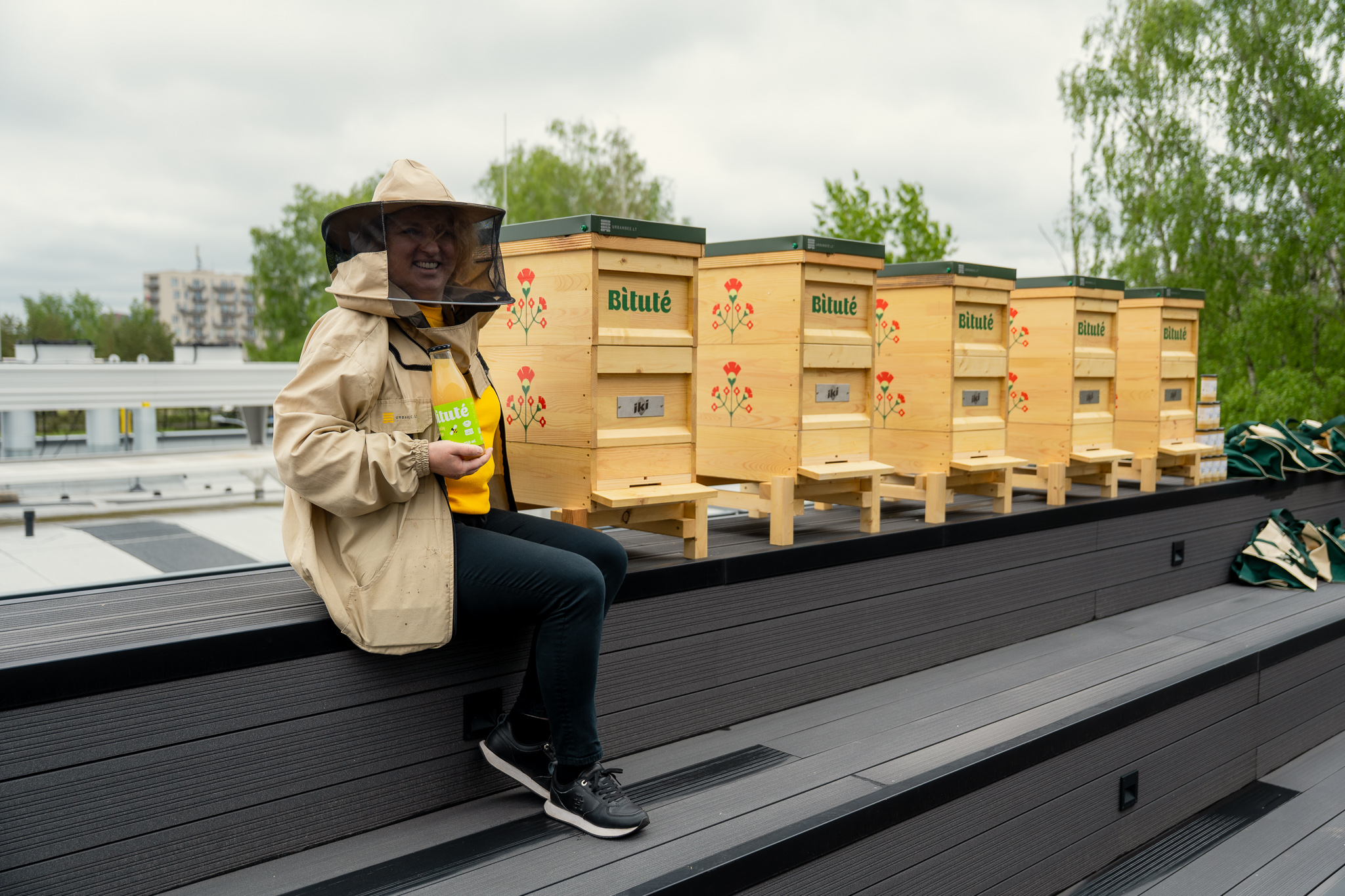
Nijolė Kvietkauskaitė, CEO of IKI Lietuva, notes that the initiative is part of a broader strategy to view retail buildings as active participants in the city’s ecology. The company, which has already invested heavily in rooftop solar arrays, sees the addition of beehives as a natural progression in maximizing the environmental utility of its physical footprint. The goal is to prove that retail spaces can reduce their environmental impact while contributing to a more vibrant, living urban landscape.
The Science of Rooftop Habitats
Contrary to common perception, cities can often be safer for bees than the countryside. Modern urban beekeeping has gained traction globally because metropolitan areas typically feature a lower concentration of industrial pesticides than monoculture farmland. Furthermore, the variety of flora found in urban parks and residential gardens often provides a more diverse and stable food source throughout the blooming season.
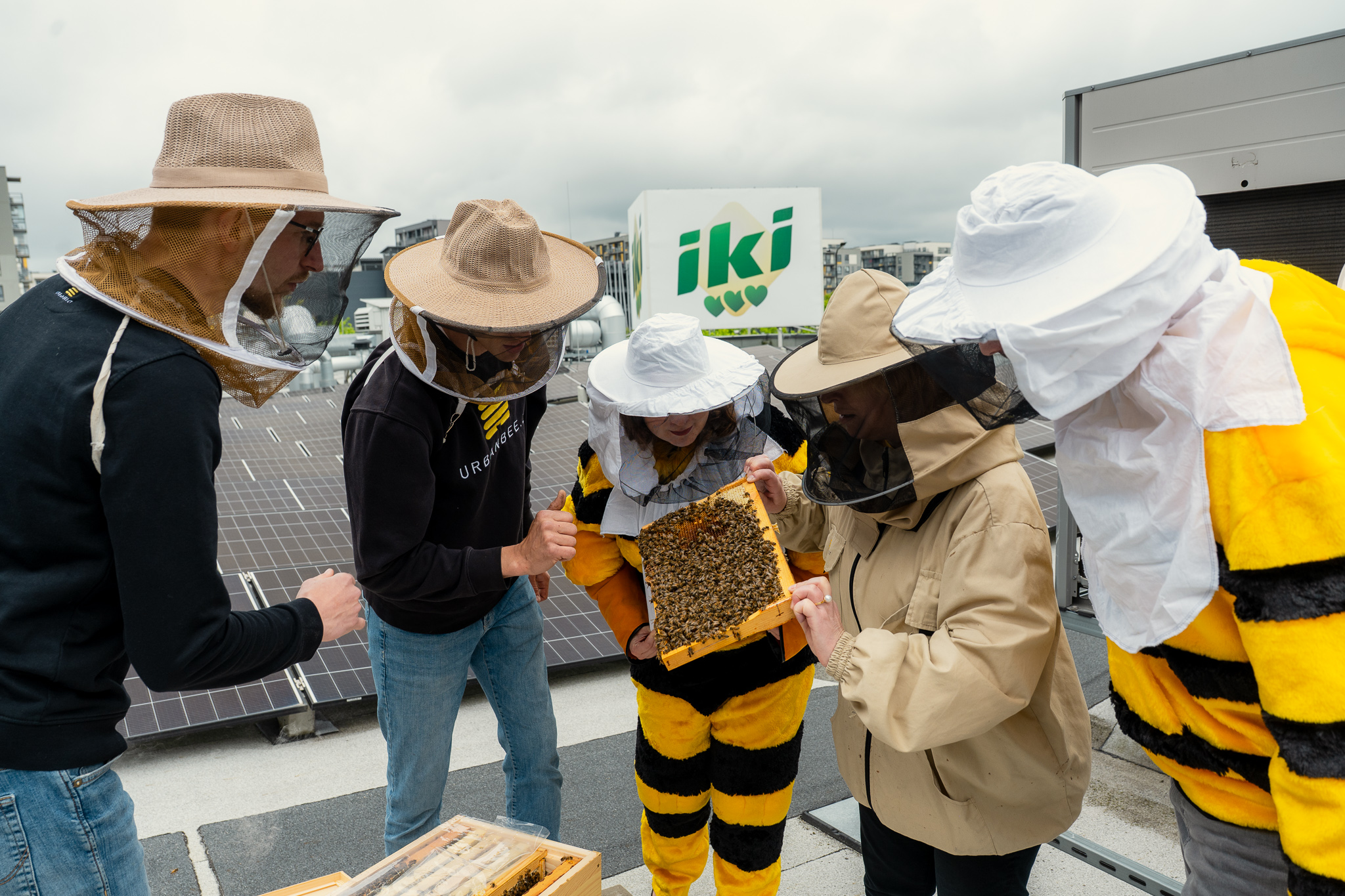
However, maintaining healthy colonies in a city requires precision. The project utilizes Buckfast bees, a breed specifically developed for its calm temperament and productivity. These bees are known for being non-aggressive, making them ideal for environments where they live in close proximity to humans. Professional beekeepers from Urbanbee.lt manage the colonies, monitoring the health of the queens and ensuring the hives do not interfere with the daily operations of the stores or the safety of the customers.
Balancing Public Safety and Biodiversity
One of the primary challenges of urban beekeeping is public perception. To address safety concerns, the hives are positioned in restricted areas away from pedestrian traffic and store entrances. Paulius Chockevičius, founder of Urbanbee.lt, emphasizes that education is a core component of the project. By bringing bees into the heart of the city, the initiative aims to shift the public narrative from one of fear to one of necessity.
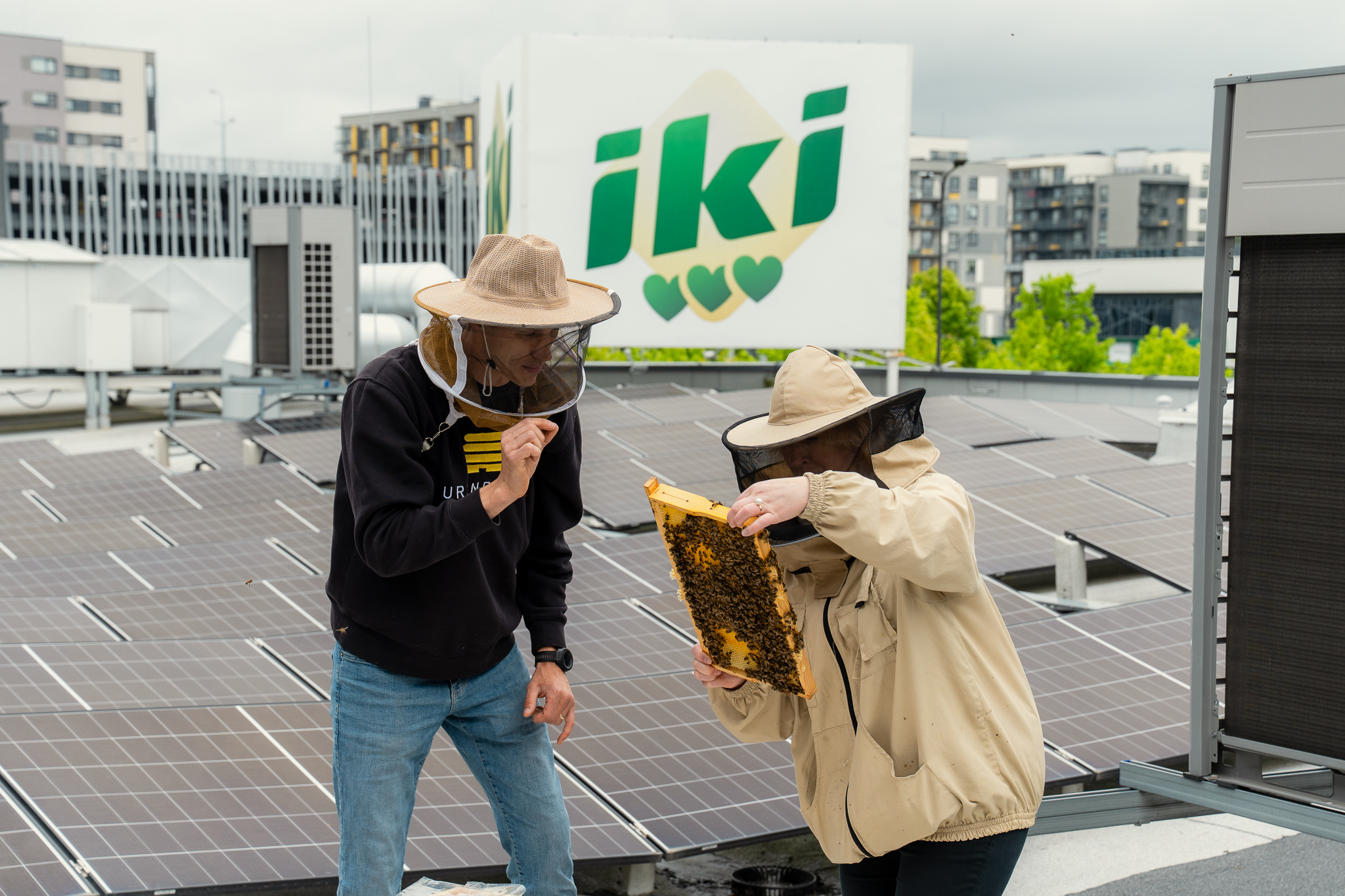
“If you aren’t a flower, a bee isn’t interested in you,” Chockevičius explains. The professional management of these colonies ensures that the bees follow flight paths high above the streets, heading directly for the nearest green spaces rather than interacting with shoppers.
A Broader Shift in Corporate Sustainability
This urban beekeeping program is situated within a larger €5.5 million sustainability investment by the retailer for 2024. Beyond biodiversity, the company is focusing on energy efficiency, CO2-neutral refrigeration systems, and the expansion of electric vehicle infrastructure.
As the first season of rooftop honey production begins, the project serves as a practical case study for other European retailers. It demonstrates that the transition to a greener economy involves not just technological upgrades like LED lighting and solar panels, but also the integration of biological solutions that support the foundational elements of the food supply chain.
Source: ELTA
Source check Verified Reporting
Based on official corporate announcements from IKI Lietuva and technical details from Urbanbee.lt regarding urban apiary management.
- Confirmed the expansion of hives to Vilnius, Kaunas, Klaipėda, and Panevėžys.
- Verified the use of Buckfast bees for urban safety compliance.
- Cross-referenced the 2024 sustainability investment figures (5.5 million EUR).
- Source
- elta
- Scope
- Lithuania
- Updated
- 2026-05-19 13:02
Source check
Report a trust issue
Send a clear signal to community moderation if the source, facts or context need review.




Comments