Lithuanian Resort Scandal: Luxury Lofts Operating as ‘Garages’: key details

In the popular Lithuanian seaside resort of Palanga, a major investigation has uncovered a sophisticated bypass of planning laws where luxury residential lofts—complete with outdoor swimming pools—are officially registered as mere garages and warehouses. The findings, released by the Seimas Ombudsmen’s Office, have sparked a national debate over institutional negligence and the integrity of the country’s real estate oversight.
The investigation centered on a property located at Medvalakio St. 27. While official documents describe the site as a collection of storage units and garages, digital booking platforms tell a different story. Tourists are invited to rent high-end, fully equipped lofts for holiday stays, enjoying amenities that far exceed the legal definitions of the structures’ registered purpose.
Institutional Negligence in Lithuania’s Premier Resort
The Seimas Ombudsmen, Dr. Erika Leonaitė and Dr. Jolita Miliuvienė, concluded that the responsible state and local institutions acted with significant negligence. Despite receiving reports of illegal construction as early as 2024, the State Territorial Planning and Construction Inspectorate failed to intervene effectively.
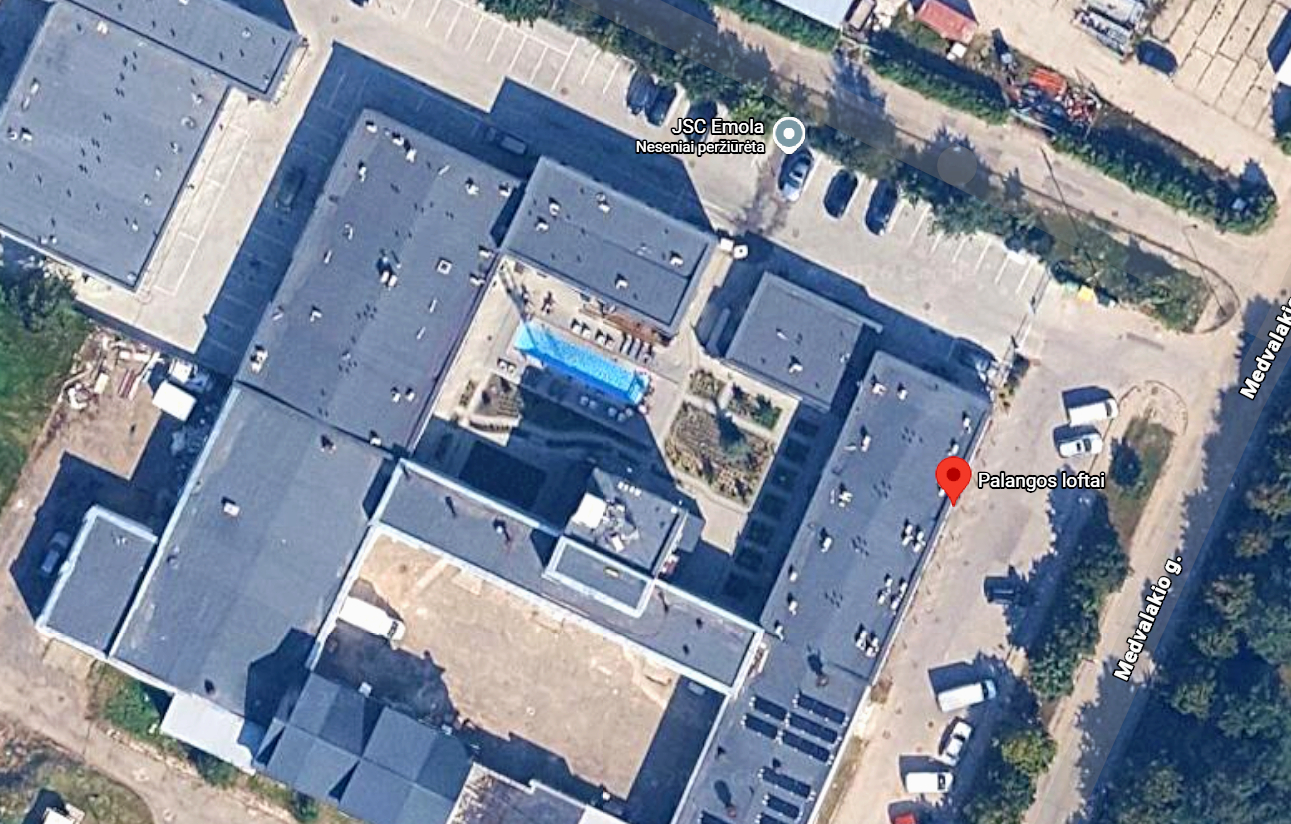
While the Inspectorate did perform an inspection and issued a violation notice regarding the installation of a swimming pool, it conspicuously ignored the more fundamental issue: the illegal conversion of the buildings’ use. The ombudsmen noted that no assessment was made as to whether the internal renovations had effectively transformed garages into residential dwellings without the necessary permits. Dr. Leonaitė characterized the Inspectorate’s supervision as “careless,” noting that the oversight was performed as a matter of formality rather than a genuine effort to enforce the law.
The Gap Between Paper and Reality
The scandal deepens when considering the role of the Palanga City Municipality. Dr. Jolita Miliuvienė, having reviewed publicly available rental listings for the lofts, formally requested the municipality to inspect how the buildings were being used. The local government’s response was to delay, stating the inspection would happen at a later date, and failing to investigate whether the renovations required a construction permit in the first place.

This case highlights a growing friction in European resort towns where the lucrative short-term rental market incentivizes developers to bypass traditional residential zoning. By registering properties as non-residential units, developers can often avoid stricter safety standards, higher taxes, and the complex bureaucratic hurdles required for residential zoning. However, when authorities fail to bridge the gap between what is on paper and what is happening on the ground, it undermines the rule of law and creates an uneven playing field for legitimate developers.
A Failure of Oversight and Accountability
The Ombudsmen’s report emphasizes that the duty of state institutions is to ensure transparent and lawful supervision of construction. The principles of good administration require authorities to act diligently and objectively, evaluating all significant circumstances. In the Palanga case, the investigation found that both the Inspectorate and the Municipality treated their legal functions as a “tick-box” exercise.

This formalistic approach allowed a clear violation of public interest to persist. The resort of Palanga, often referred to as the summer capital of Lithuania, faces immense pressure from real estate development. Without rigorous enforcement, the unique character of the coastal town risks being compromised by “stealth” developments that ignore urban planning strategies.
Demands for Systemic Reform
Following the investigation, the Seimas Ombudsmen have issued formal recommendations to the Mayor of Palanga and the State Territorial Planning and Construction Inspectorate. They have been urged to take immediate measures to ensure that state supervision of construction and building use is carried out in its entirety, rather than selectively.
The case serves as a warning for the international real estate market and holidaymakers alike. It illustrates the importance of verifying the legal status of properties, especially in high-demand resort areas where the allure of quick profits can lead to systemic regulatory failures. For the UK reader, it mirrors domestic concerns regarding the regulation of short-term lets and the challenges local councils face in monitoring the rapid conversion of commercial or secondary spaces into holiday accommodation.
Source: ELTA




Comments