Lithuania’s Property Squeeze: Why Global Oil Prices Are Inflating Homes
The Lithuanian real estate market is currently caught in a pincer movement between local demand and global geopolitical instability. While potential homebuyers are waiting for a cooling period, data suggests that external factors—specifically the volatility in the Middle East and rising energy costs—are creating a floor for prices that refuses to drop.
In the first quarter of the year, the Bank of Lithuania reported that annual housing price growth exceeded 10%. However, the most striking figures come from the country’s second-largest city, Kaunas, where prices have surged by nearly 16% in a single year. This growth is occurring despite a backdrop of global economic uncertainty, leaving many to wonder if the “wait and see” approach is becoming a costly mistake.
The Data Behind the Surge
To understand the current trajectory, it is necessary to look at the divergence between major Lithuanian hubs. While the capital, Vilnius, and the port city of Klaipėda have seen significant double-digit growth, Kaunas has emerged as the primary hotspot for price appreciation.
| City | Annual Price Growth (March 2026 vs 2025) |
|---|---|
| Kaunas | 15.8% |
| Vilnius | 11.0% |
| Klaipėda | 11.0% |
These numbers do not merely reflect a local bubble; they represent a market where supply cannot keep pace with demand. The recent release of second-pillar pension funds into the economy has boosted local sentiment, but it is the supply side—specifically the cost of building—that is now dictating the final price tag on the sales contract.
The Oil-to-Apartment Pipeline
The most significant revelation for prospective buyers is the direct link between geopolitical tension in the Middle East and the cost of a three-room apartment in Lithuania. The construction sector is exceptionally sensitive to oil price fluctuations. Tensions near the Strait of Hormuz do more than just raise the price of petrol; they inflate the cost of every oil-derived building material.
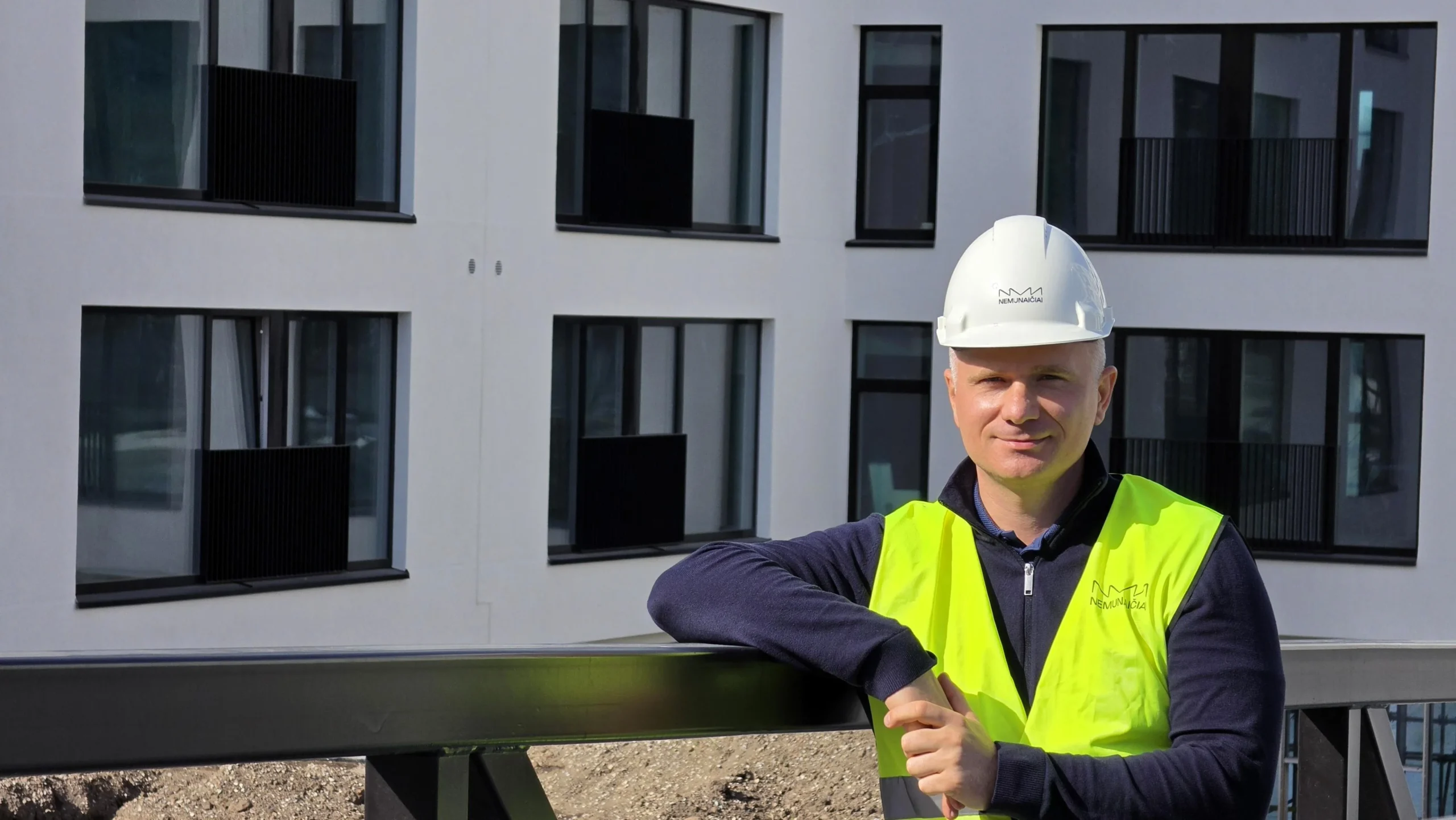
Audrius Ruigys, a construction project manager at SBA Urban, notes that materials such as polystyrene, plastic piping, and various resins are all seeing price hikes. “Everything manufactured from petroleum products is becoming more expensive because the raw material cost is rising while supply is shrinking,” Ruigys explains. Furthermore, the manufacturing of basic materials like glass and cement is energy-intensive, requiring vast amounts of gas and fuel. When these costs rise, they are inevitably passed on to the consumer.

Experts estimate that if current energy pressures persist, overall construction costs could rise by an additional 10% to 15% this year alone. This suggests that even if buyer demand were to stabilize, the cost of bringing new units to market would prevent prices from falling.
The High Price of Hesitation
For those currently searching for a home, the dilemma is whether to lock in a price now or gamble on a future market correction. However, analysts from Ober-Haus and SBA Group suggest that the “luxury of delay” is disappearing.
In the new construction segment, prices typically rise in stages—from the initial project announcement to the final landscaping. Buyers who wait for a project to be fully completed often find themselves paying a premium for that certainty. For instance, a three-bedroom apartment currently valued at €275,000 could realistically reach €300,000 within twelve months if current trends continue.
The consensus among market observers is that the current environment—characterized by high energy costs, supply chain disruptions, and a lack of surplus housing—makes a significant price drop unlikely in the near term. For the Lithuanian buyer, the global geopolitical map has become just as important as the local neighborhood map when determining the right time to buy.
Source: ELTA


Comments