Lithuania Proposes Prison Sentences for Disinformation and Botnets

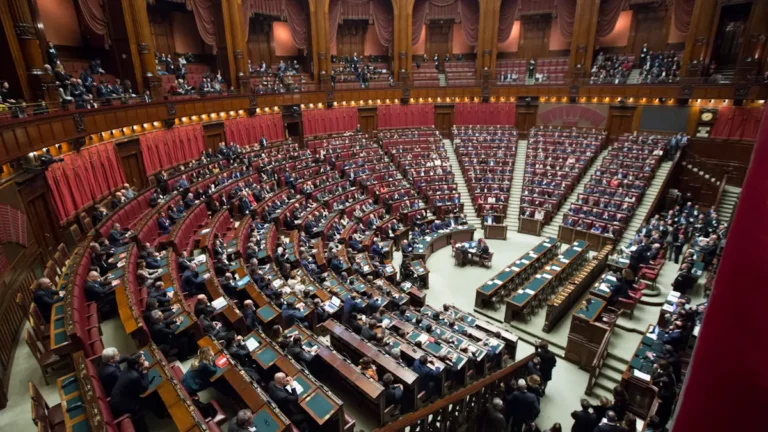
The Lithuanian Parliament, the Seimas, has formally backed a legislative package aimed at criminalizing the spread of disinformation and the propaganda of aggressive war. The proposed amendments, which passed their first reading this week, represent a significant hardening of the Baltic nation’s legal stance against what officials describe as “information aggression” and coordinated hybrid threats.
Initiated by MP Daiva Ulbinaitė of the Homeland Union – Lithuanian Christian Democrats (TS-LKD), the package consists of five separate amendments. The legislation is designed to provide state institutions with a more robust toolkit to dismantle information attacks that threaten national security, constitutional order, and public trust in democratic institutions. The move comes as Lithuania, a frontline NATO and EU member, continues to bolster its domestic defenses against systemic propaganda campaigns frequently attributed to hostile neighboring states.
Defining the Crime of Information Aggression
A central component of the new legal framework is the precise definition of disinformation. Under the proposed changes to the Law on Provision of Information to the Public, disinformation is defined as intentionally created, presented, or distributed false or misleading information. To qualify as a crime, this information must be intended to deceive the public, influence elections or referendums, or cause harm to national security and public order.
Crucially, the amendments seek to bridge a gap in the current Criminal Code. While existing laws cover espionage and the glorification of war crimes, they do not specifically address systemic propaganda or coordinated information attacks. The new proposals introduce two new articles to the Criminal Code, with the most severe offenses—such as systematic participation in hostile state propaganda—carrying a potential prison sentence of up to five years.
Targeting the Infrastructure of SIM Clusters
Beyond the content of the information itself, the legislation takes aim at the technical infrastructure used to disseminate it. The bill introduces a ban on the unauthorized use of “SIM clusters,” technically defined as automated subscriber identification module (SIM) equipment. This refers to hardware capable of managing five or more SIM cards simultaneously or in rotation to automate communication actions, such as mass SMS or social media account registration.
Under the Electronic Communications Law, the acquisition, possession, and transport of such equipment would be prohibited unless part of a legitimate electronic communications business. Authorities argue that these “SIM clusters” are the backbone of botnets used to amplify disinformation and create a false sense of public consensus. Fines for the illegal use of this equipment are set to range from €1,000 to €3,000, doubling for repeat offenses, alongside mandatory confiscation of the hardware.
New Obligations for Digital Platforms
The legislative package also shifts the burden of responsibility onto social media giants, video-sharing platforms, and news aggregators. Currently, the removal of dangerous or illegal content often relies on the voluntary cooperation of these platforms, which Lithuanian officials claim is frequently insufficient or slow.
The proposed amendments to the Law on Information Society Services would mandate that platforms implement “effective technical and organizational measures” to remove content or block access upon receiving a formal directive from state authorities. Simply tagging or flagging the information as “disputed” or “false”—a common practice among major tech firms—would no longer be considered a sufficient response under the new law. Failure to comply would result in administrative fines for both the platforms and individual actors involved.
Expanding Regulatory Oversight
To enforce these new standards, the Office of the Inspector of Journalist Ethics will see its powers significantly expanded. The office would gain the authority to issue binding instructions to digital platforms to remove dangerous information or terminate access to specific accounts. This move is intended to ensure a rapid response to information threats that could escalate into public disorder or national security crises.
The legislative package was developed in collaboration with legal experts from Vilnius University, the Communications Regulatory Authority, and the Ministry of Culture. It has already garnered broad political support, with a temporary parliamentary group for strengthening informational resilience—comprising 26 members from various political parties—formed to oversee the progress of the reforms. The package now moves to the committee stage for further refinement before a final vote.
Source: BNS



Comments