Lithuania Proposes National Unified Transport Ticket for 2028: what residents need to know

The Lithuanian Parliament, the Seimas, has begun deliberations on a landmark legislative package that could redefine the nation’s commuting landscape. If approved, the proposed amendments will pave the way for a national “joint ticket” system by 2028, integrating every major mode of transport—from state rail and regional buses to ferries and private ride-sharing services—into a single digital ecosystem.
Prepared by the Ministry of Transport and Communications, the legislation marks the first time the concept of a “joint ticket” has been formally introduced into Lithuanian law. This legal foundation is a prerequisite for building a modern, national infrastructure that allows passengers to plan, book, and pay for multi-modal journeys through a unified platform.
A Unified Vision for National Mobility
The core objective of the initiative is to eliminate the friction currently experienced by travelers moving between different municipalities or switching transport modes. Under the current system, a passenger traveling from a major city to a remote region often has to navigate multiple booking sites and payment methods. The new system aims to consolidate these into a one-stop shop.
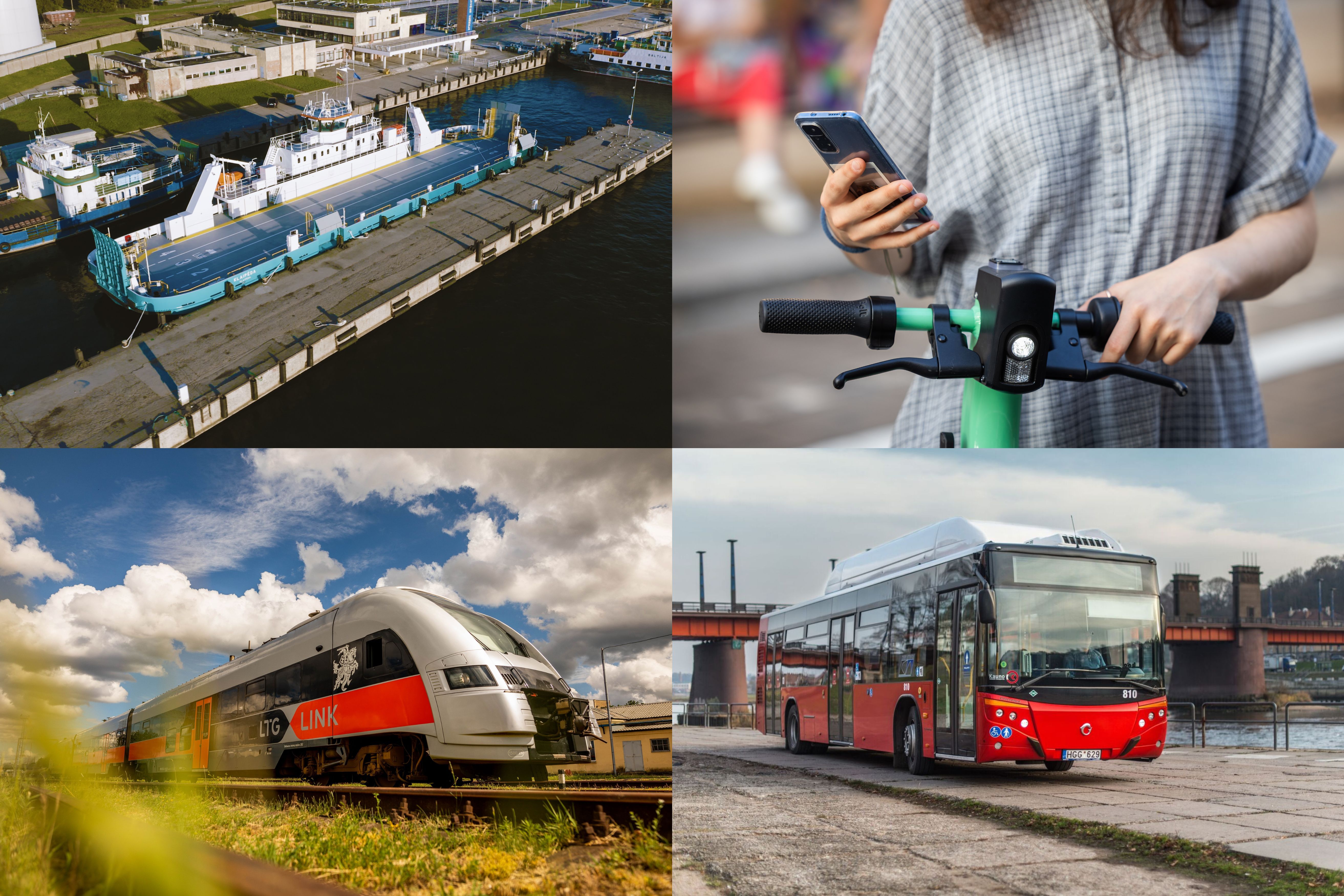
According to Transport Minister Juras Taminskas, the system is designed to create a seamless journey from start to finish. “People will be able to plan their entire trip at once and use a joint ticket across different types of transport—trains, buses, ferries, or sharing services,” Taminskas stated. He illustrated a scenario where a commuter begins a journey by train, continues via a regional bus, and completes the ‘last mile’ to their destination using an electric scooter, all managed within the same system.
This move aligns Lithuania with the growing global trend of Mobility as a Service (MaaS), which treats transport not as a series of disconnected legs, but as a single, fluid utility. By integrating private transport sharing and ride-hailing services alongside public utilities, the government hopes to make public transit a more viable competitor to private car ownership.

Integration Without Displacement
A critical aspect of the proposal is its relationship with existing infrastructure. The Ministry has clarified that the national joint ticket system is not intended to replace or compete with the digital ticketing systems already operating successfully in cities like Vilnius or Kaunas. Instead, it will serve as a national “connective tissue.”
While local municipal systems will continue to serve their residents, the national platform will act as the overarching link for those traveling across municipal boundaries or those who require a combination of transport types that local systems do not currently cover. This tiered approach ensures that the investment already made in urban transport tech is preserved while filling the gaps in national connectivity.

To ensure the system’s success, the legislation includes mandates for transport operators. Carriers and passenger transport organizers will be required to share their data and provide the necessary technical conditions for processing payments through the unified planning and ticketing system. This data-sharing requirement is essential for providing real-time updates and accurate journey planning to the end-user.
The Roadmap to 2028
The implementation of such a complex system requires a phased approach. Following the Seimas’s expected approval of the legal framework, the Ministry of Transport and Communications plans to initiate an international tender for the creation of the information system. This tender will seek global expertise in digital infrastructure to ensure the platform can handle the high-volume data and financial transactions required for a nationwide rollout.
The project is a cornerstone of the current Government’s program, emphasizing the shift toward sustainable and digitally-integrated infrastructure. By focusing on the “last mile”—the final leg of a journey that often deters people from using public transport—Lithuania aims to significantly increase the efficiency of its regional connectivity.
If the legislative process and subsequent procurement proceed as planned, the integrated system is expected to be fully operational by 2028. This timeline allows for the necessary technical development, data integration from various private and public providers, and a rigorous testing phase to ensure the platform meets the needs of both urban and rural commuters.
Source: ELTA



Comments