Lithuania Moves to Automatically Lower Energy Bills for Vulnerable Citizens: what residents need to know
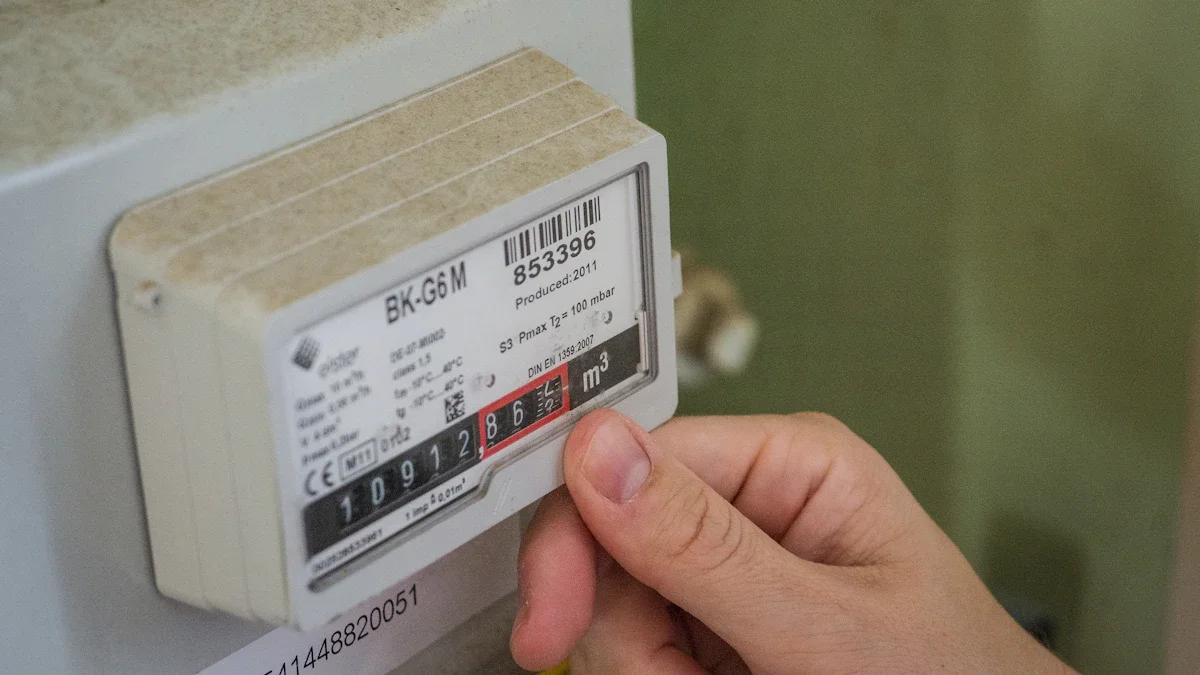
The Lithuanian Parliament, the Seimas, has begun debating a critical set of amendments to the national Energy Law designed to provide immediate financial relief to hundreds of thousands of the country’s most vulnerable residents. The proposed changes aim to dismantle bureaucratic barriers that currently prevent low-income households, the elderly, and people with disabilities from accessing the lowest available electricity rates.
Presented by the Ministry of Energy, the legislation addresses a significant flaw in the current liberalized energy market: a large segment of the population remains trapped in expensive, fixed-price contracts with independent suppliers, even when state-regulated public supply rates are significantly cheaper. If passed, the new rules would empower—and in some cases require—suppliers to facilitate a transition to more affordable plans, potentially saving households up to 10 cents per kilowatt-hour (kWh).
Automatic Protection for At-Risk Households
The core of the legislative package focuses on the 285,000 residents who currently qualify for social support but are paying more than necessary for their utilities. Under the current legal framework, moving from an independent supplier back to the state-regulated “public supply” requires the consumer to personally initiate the contract termination. For many elderly residents or those with limited digital literacy, this process has proven to be a significant hurdle.
The proposed amendment shifts this burden. When the state-regulated public supply price drops below the price of a vulnerable consumer’s current independent contract, the supplier would be legally obligated to inform the customer within 10 days. The consumer would then have a 30-day window to consent to the termination of their expensive contract without penalty. Once consent is given, the transition to the cheaper rate would occur automatically by the end of the following month.
According to the Ministry of Energy, this mechanism ensures that the social safety net actually reaches those it is intended to protect. Current estimates suggest that while 412,000 people in Lithuania are eligible for these lower rates, only about 30% are currently benefiting from them. The remaining 70% continue to pay market premiums that their household budgets can ill afford.
Defining Vulnerability in the Energy Market
The legislation specifically targets those who are most exposed to the fluctuations of the energy market. In the context of these amendments, “vulnerable consumers” are defined as individuals who receive or are entitled to social assistance for low-income households, persons with disabilities, and those receiving state-supported social assistance pensions or compensations.

For these groups, the financial impact of the change is substantial. While many are currently paying rates significantly higher due to contracts signed during periods of high market volatility, the public supply rate for the first half of this year is set at 18 cents per kWh. Energy Minister Žygimantas Vaičiūnas noted that if the law is implemented by September 1, many vulnerable users could see their rates drop to approximately 20 cents per kWh, down from the 28 or 30 cents they may currently be paying.
Addressing the Challenges of Market Liberalization
This move by the Seimas represents a broader trend across Europe to refine energy market liberalization. While the transition to independent suppliers was intended to foster competition and lower prices, the reality for many has been a confusing array of contracts and “sticky” pricing that penalizes those who do not actively switch providers.
The Lithuanian Ministry of Energy acknowledges that a significant portion of the elderly population finds it difficult to navigate the complexities of the energy market or is unaware that they have the right to terminate their independent contracts at any time. By mandating that suppliers take the first step in the communication chain, the government is effectively introducing a consumer protection layer that prioritizes social welfare over contract inertia.
Next Steps for the Legislation
The proposal has already cleared its first hurdle in the Seimas, with 71 members of parliament voting in favor, only two against, and 15 abstaining. The bill has now been referred to the Committee on Energy and Sustainable Development for detailed scrutiny.
A second reading and further debate are scheduled for June 2. If the legislative process remains on track, the new protections are expected to be fully operational by September 1, aligning with the seasonal shift in energy demand and providing a buffer for vulnerable households ahead of the winter heating season.
Source: ELTA

Comments