Lithuania Grants Heritage Status to Secret Partisan Graves in Biržai: key details
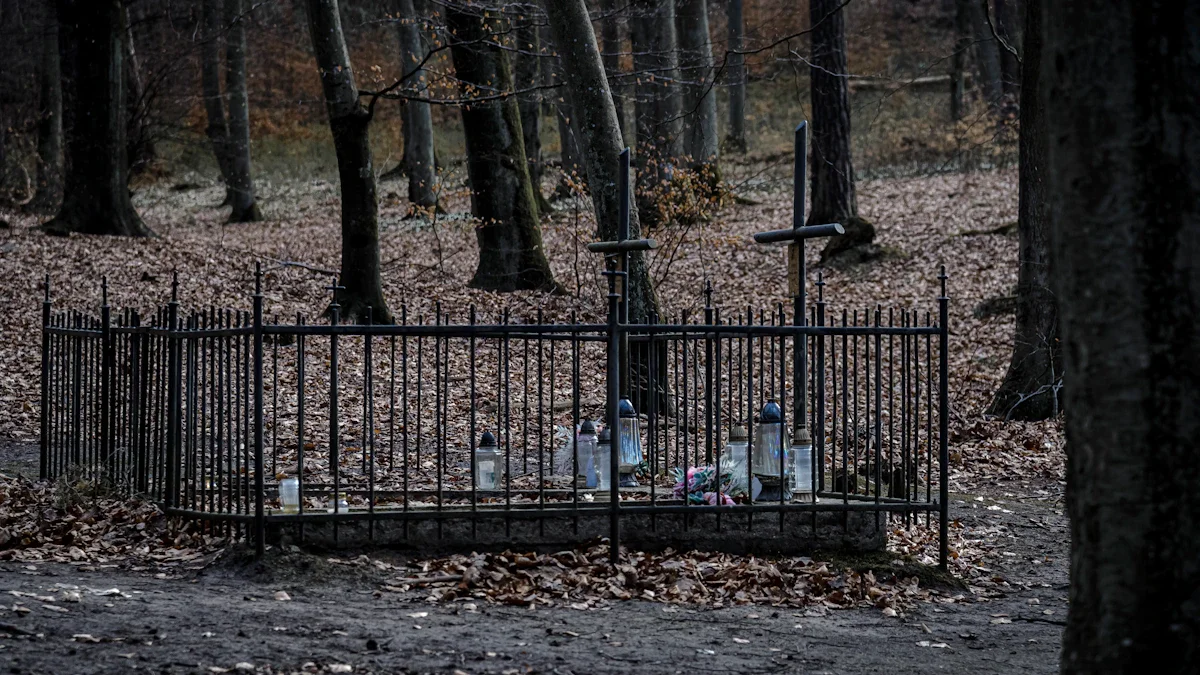
In the quiet corners of the Ančiškiai village cemetery, nestled within the Biržai district of northern Lithuania, several graves have long held secrets that the Soviet authorities once tried to erase. For decades, the names of those buried there were often omitted from headstones or hidden within the family plots of others to protect the living and prevent the desecration of the dead. This week, the Department of Cultural Heritage under the Ministry of Culture officially moved to bring these sites out of the shadows, granting them national protection status.
The decision, made during a meeting of the Assessment Council for Immovable Cultural Heritage, recognizes the graves of several Lithuanian partisans who fell during the post-World War II resistance against Soviet occupation. By defining these sites as having national significance, the state ensures that the stories of these men—and the physical boundaries of their final resting places—are preserved for future generations.
The Hidden Martyrs of Ančiškiai
Among the most poignant sites now under protection are the graves of Feliksas Budriūnas and Stasys Tarvydas. These two men were killed in February 1945 during a fierce battle with NKVD (Soviet internal security) troops in the Leliškiai forest. In the aftermath of the skirmish, their comrades and relatives managed to secretly transport their bodies to the Ančiškiai cemetery. To avoid detection by the regime, they were buried within the Mikėnai family grave. To this day, their names do not appear on the family monument; they remain invisible to the casual observer, though now officially recognized by the state.
Similarly, the grave of Juozas Tarvydas tells a story of the brutal cost of the resistance. A member of the Kazys Morkūnas partisan unit, Tarvydas was wounded and captured in April 1946 after a surprise attack by Soviet-backed ‘stribai’ (destruction battalions). He died under torture during interrogation in the town of Vabalninkas. Like his comrades, he was buried in secret, placed within the grave of Juozas and Pranė Aukštikalnis to prevent his body from being used as a tool of intimidation by the occupiers.
A Legacy of Intellectual Resistance
The newly protected sites also highlight that the partisan movement was not merely a military endeavor but a cross-section of Lithuanian society. The grave of Juozas Aukštikalnis, known by the codename ‘Sukilėlis’ (The Rebel), marks the resting place of a highly educated man who chose the forest over collaboration. A graduate of the Biržai Gymnasium and the Dotnuva Agricultural Academy, Aukštikalnis was an agronomist before the war. After escaping Soviet imprisonment in 1944, he organized and led a partisan unit.
His story is inextricably linked with that of Valentinas Navakas. Both were severely wounded in a 1945 battle. While Aukštikalnis died of his wounds in hiding, Navakas was cared for by a local farmer, Antanas Aukštikalnis. Following a betrayal, Soviet forces seized both the wounded partisan and the farmer. Two days later, their bodies were found in the forest—the farmer shot and the partisan tortured to death. They now lie side-by-side in Ančiškiai, their sacrifice finally codified in the national register of cultural values.
Preserving the Memory of the ‘Forest Brothers’
For readers outside the Baltic states, these designations provide a window into the ‘Forest Brothers’ era—a period of protracted guerrilla warfare against Soviet rule that lasted from 1944 until the early 1950s. While Western Europe was rebuilding in the wake of WWII, Lithuania was embroiled in a desperate struggle for independence that claimed tens of thousands of lives.
By granting these graves ‘national significance’ status, the Lithuanian government is doing more than just protecting stone and soil. It is validating the historical narrative of a nation that refused to be silenced. The protection orders define specific ‘valuable properties’ of the sites, including their historical and memorial character. This means that any future work in the cemetery must respect the integrity of these locations, ensuring that the ‘secret’ history of Ančiškiai remains a permanent part of the Lithuanian landscape. This move serves as a reminder that even in the smallest village churchyards, the echoes of the 20th century’s greatest ideological conflicts can still be heard.
Source: Biržų rajono savivaldybė

Comments