Klaipėda is undergoing a significant transformation in its social infrastructure, signaling a strategic shift toward what city officials describe as a “culture of help.” This initiative, spearheaded by Mayor Arvydas Vaitkus, aims to modernize the city’s welfare system by moving away from large-scale institutionalized care in favor of community-integrated, dignified living spaces for seniors, families, and individuals with disabilities.
The city has officially designated 2026 as the “Year of Social Responsibility,” but the groundwork is being laid today through a series of multi-million euro construction and reconstruction projects. The goal is to ensure that residents at all stages of life—from families in crisis to seniors requiring specialized dementia care—are not pushed to the margins of society.
Modernizing Senior Care and Specialized Support
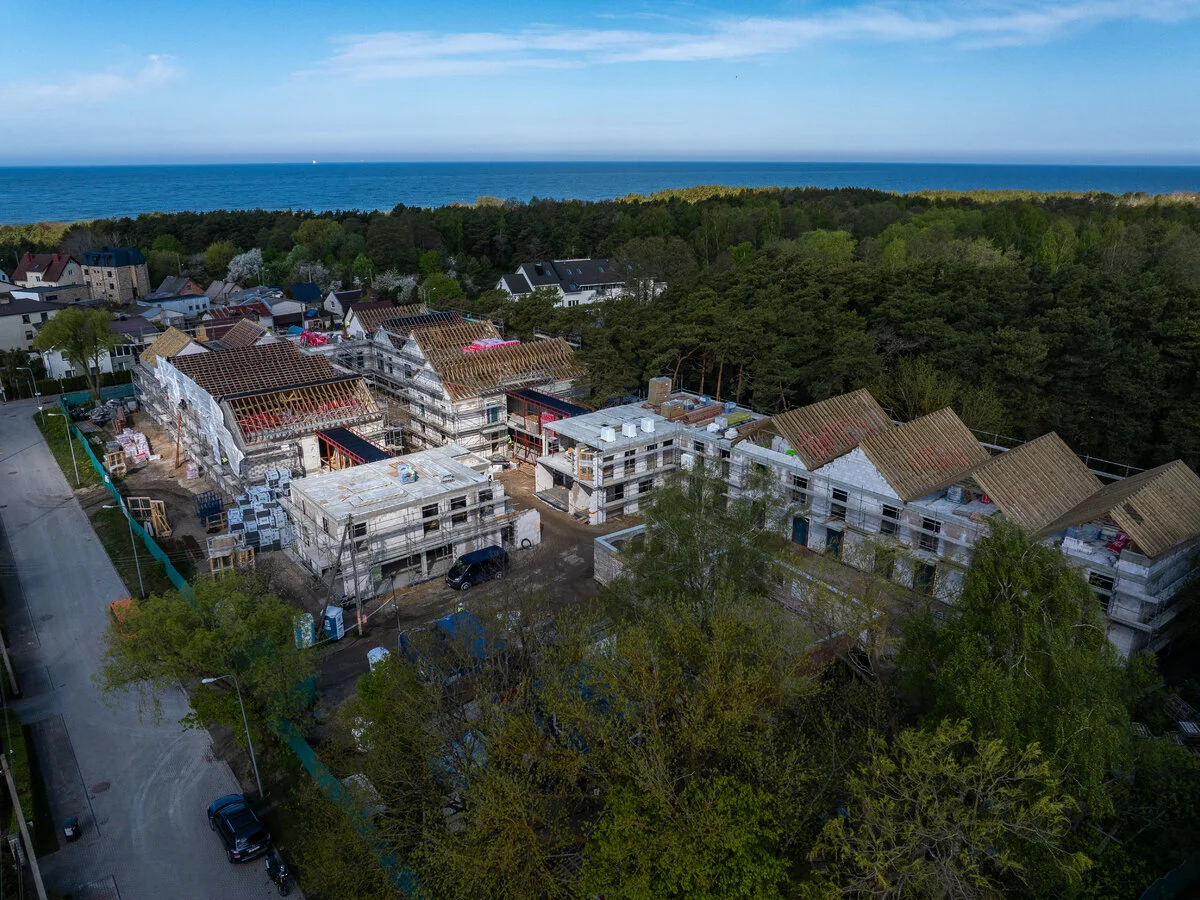
One of the flagship projects is the new senior care home currently under construction in Melnragė, situated near the Baltic coast. This facility is designed to house 81 seniors, with a specific wing dedicated to 12 individuals living with dementia. Unlike traditional care facilities, the Melnragė project emphasizes environmental integration, featuring walking paths, gazebos, and green zones within a pine forest setting.
Technologically, the project is also a step forward for the city’s public infrastructure. The buildings will utilize an ecological geothermal heating system, reflecting a broader European trend toward sustainable public works. Currently, approximately 40% of the construction is complete, with the roof and windows being installed to meet a December 2024 deadline.
Further inland on Vilkijos Street, the city is developing a “group living home” for individuals with mental or intellectual disabilities. This project represents a fundamental change in philosophy: instead of large wards, the facility will provide a family-like environment for just 10 residents. The focus here is on fostering independence and ensuring that residents remain active members of the local community rather than being isolated in medical institutions.
Respite Services and Family Welfare
Recognizing the immense pressure on family caregivers, Klaipėda is also investing in “Temporary Respite” homes on Debreceno Street. This facility will provide eight single-occupancy rooms where individuals with disabilities can stay temporarily, allowing their primary caregivers—often family members—a necessary break from daily care duties. This service includes professional medical support and spaces for vocational skill development.
In the same building, the Family and Child Welfare Center is nearing completion. This facility focuses on early intervention and support for families in crisis, providing a centralized hub for social services that were previously fragmented across the city.
Strategic Infrastructure and Financial Overview
The following table outlines the primary social infrastructure projects currently underway in Klaipėda, including their locations, projected costs, and expected completion dates:
| Project & Location | Budget & Expected Completion |
|---|---|
| Melnragė Senior Care Home (Aušros g. 41) | €9.58 million – December 2024 |
| Group Living Home (Vilkijos g.) | €1.3 million – 2025 |
| Temporary Respite Home (Debreceno g. 48) | €757,000 – Autumn 2024 |
| Family & Child Welfare Center (Debreceno g. 48) | €789,000 – Late Summer 2024 |
| Social Support Center (Smiltelės g. 14) | €1.5 million – Late 2024 |
A New Standard for Urban Social Responsibility
This wave of investment is part of a broader effort to make Klaipėda a more inclusive city. The relocation of the Social Support Center to larger, more modern premises on Smiltelės Street is intended to improve working conditions for social workers, which officials believe will translate into better service delivery for the public.
By investing in specialized housing and respite care, Klaipėda is addressing a universal challenge faced by aging populations across Europe: how to provide high-quality, specialized care while maintaining the dignity and autonomy of the individual. As these projects reach completion over the next 18 months, the city expects to see a measurable shift in the quality of life for its most vulnerable residents, setting a benchmark for other municipalities in the region.
Source: Klaipėdos miesto savivaldybė
Article contextPeople & topics1#5
What do you think about this article?
Reader Ideas Newsroom
Have a sharper angle for this topic? Add it to the community idea board and let readers vote it up for editorial review.



/linkComments
8+ useful words can earn +10-60 DP; shorter replies can still publish without DP.