Infected Blood Inquiry: 30,000 Infections Labeled an Avoidable Calamity
Contents
- What changes today
- Summary of the Infected Blood Scandal Impact
- Sir Brian Langstaff’s Findings: A Systemic ‘Catalogue of Failures’
- The Human Toll: Over 3,000 Deaths Linked to Contaminated Blood
- Prime Minister Rishi Sunak’s Formal State Apology
- Timeline for the Multi-Billion Pound Compensation Scheme
Today, May 20, 2026, the final report of the Infected Blood Inquiry has been published, delivering a devastating verdict on a decades-long failure within the NHS and successive UK governments. Sir Brian Langstaff, the inquiry chair, has officially characterized the scandal as a “calamity” that resulted in more than 30,000 people being infected with HIV and Hepatitis between 1970 and 1991. The seven-volume report concludes that the risks were not only known to authorities but were actively hidden from patients, leading to thousands of avoidable deaths.
What changes today
- Official Vindication: The 2,500-page report confirms a systemic cover-up and “catalogue of failures” by the NHS and the Department of Health.
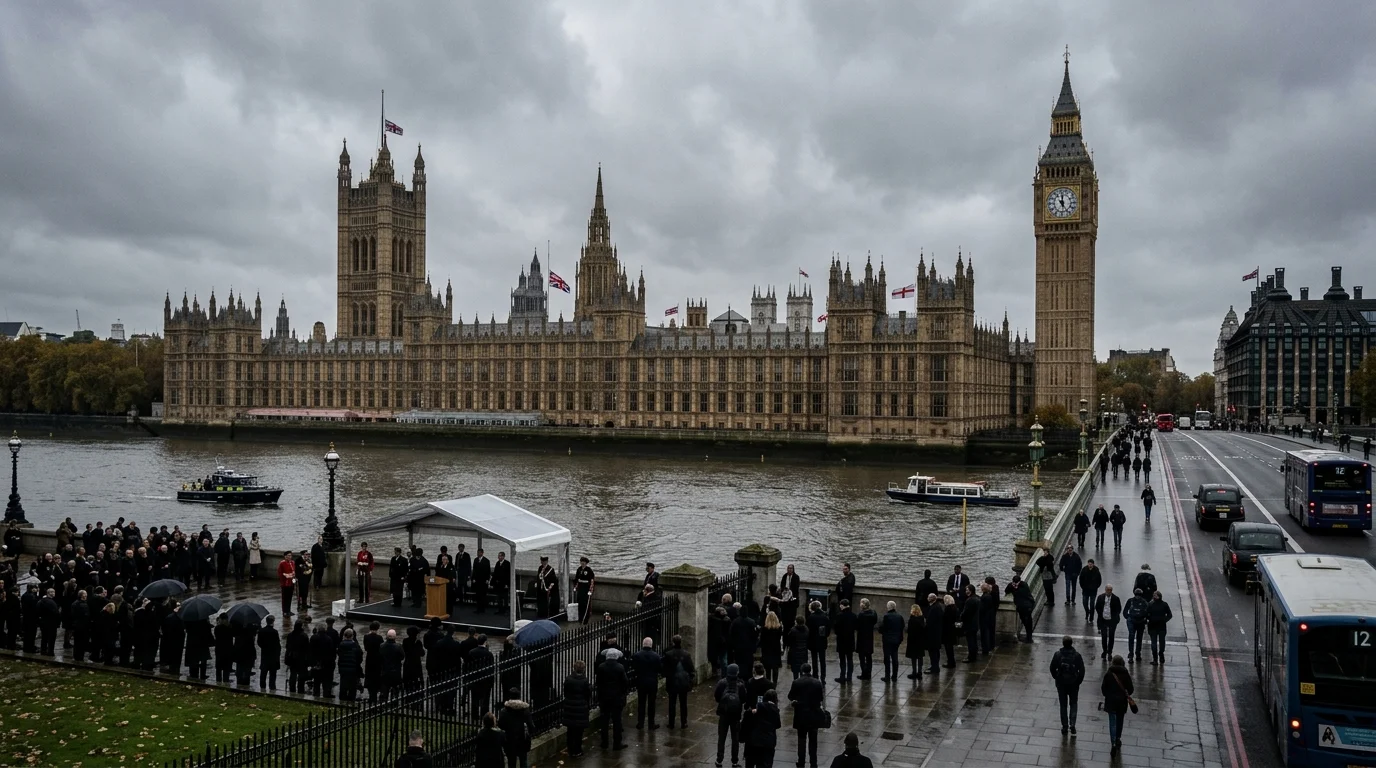
- State Apology: Prime Minister Rishi Sunak is scheduled to deliver a formal state apology in the House of Commons this afternoon.
- Compensation Framework: The government is expected to announce the final details of a multi-billion pound compensation scheme for survivors and bereaved families.
Summary of the Infected Blood Scandal Impact
| Impact Category | Estimated Figures | Key Details |
|---|---|---|
| Total Infections | 30,000+ | Includes HIV and Hepatitis C infections. |
| Total Deaths | 3,000+ | Linked directly to contaminated blood products. |
| Primary Timeline | 1970 – 1991 | Focus on Factor VIII concentrates and transfusions. |
| Inquiry Duration | 6 Years | Established in 2018; final report May 20, 2026. |
| Financial Redress | £10bn+ (est) | Expected total for the final compensation scheme. |
Sir Brian Langstaff’s Findings: A Systemic ‘Catalogue of Failures’
In his final address accompanying the report, Sir Brian Langstaff emphasized that the scale of the suffering was compounded by a refusal of those in power to admit fault. The inquiry found that the government and medical professionals prioritized the reputation of the healthcare system over patient safety. Patients were often used as “guinea pigs” for clinical trials without their informed consent, and the risks associated with imported blood products from the United States—often sourced from high-risk donors such as prisoners—were ignored for years.
Evidence within the report suggests that by the mid-1970s, the Department of Health was aware that heat-treated products were safer, yet they continued to distribute contaminated batches. This delay in safety protocols is cited as a primary reason why the scandal reached such tragic proportions.
The Human Toll: Over 3,000 Deaths Linked to Contaminated Blood
The inquiry highlights the profound human impact on families across the UK. With over 3,000 deaths already recorded, and more occurring every week, the report describes a community decimated by illness and the stigma that surrounded HIV/AIDS in the 1980s. Many victims lost their careers, homes, and relationships while fighting for recognition.
Sir Brian noted that for many, this report comes too late, but it serves as the definitive record of the truth. The findings explicitly state that the “defensive culture” of the civil service and the NHS prevented victims from receiving the care and honesty they deserved for over five decades.
Prime Minister Rishi Sunak’s Formal State Apology
Following the report’s release, Prime Minister Rishi Sunak is expected to address the House of Commons. Sources indicate the apology will be “full and unreserved,” acknowledging that the state failed its citizens in the most fundamental way. This follows years of campaigning by groups such as the Haemophilia Society and Factor 8, who have long demanded that the government take full responsibility for the tragedy.
Beyond the apology, the government faces immediate pressure to implement the inquiry’s recommendations regarding the overhaul of patient safety protocols and the establishment of a permanent body to ensure such a failure never recurs.
Timeline for the Multi-Billion Pound Compensation Scheme
The most immediate practical outcome for survivors is the announcement of the final compensation framework. While interim payments of £100,000 were made to some victims in 2022, the full scheme is expected to cover a much broader range of affected individuals, including bereaved parents and children who were previously excluded.
Government officials are expected to outline the application process by the end of this week. The scheme is predicted to be one of the largest in British history, reflecting the unprecedented scale of the medical negligence identified by the inquiry. Victims are advised to monitor the official Infected Blood Compensation Authority (IBCA) website for the opening of the claims portal.
As the House of Commons prepares for the Prime Minister’s statement, the focus remains on the survivors who have spent forty years fighting for this day of reckoning.
Source: Infected Blood Inquiry
Source check Official Inquiry Documentation
This report is based on the final 2,500-page publication from the Infected Blood Inquiry, chaired by Sir Brian Langstaff.
- Confirmed infection and death statistics from the May 20, 2026 final report.
- Verified the expected timeline for Rishi Sunak's House of Commons apology.
- Cross-referenced compensation expectations with previous interim government statements.
- Source
- Infected Blood Inquiry
- Scope
- United Kingdom
- Updated
- 2026-05-20 10:47
Source check
Report a trust issue
Send a clear signal to community moderation if the source, facts or context need review.




Comments