Hackney elects Zoë Garbett as first Green Party mayor

Zoë Garbett has been elected as the new Mayor of Hackney, marking the first time a Green Party candidate has secured the borough’s highest executive office. The result, confirmed following the counting of ballots from yesterday’s mayoral election, signals a significant change in the political landscape of a locality traditionally dominated by the Labour Party.
Garbett secured the position with a total of 35,720 votes. The election saw a turnout of 40.98%, with 76,187 residents casting their ballots to determine the future direction of the council’s executive leadership. This victory places the Green Party in control of the borough’s strategic priorities, including housing, transport, and local environmental policies.
Detailed breakdown of the mayoral vote
The transition of power follows a competitive race where the Labour Party candidate, Caroline Woodley, finished in second place. Woodley received 26,865 votes, trailing the Green Party victor by a margin of 8,855 votes. The shift reflects changing voter priorities within the borough, which has seen increasing support for the new leadership team and its focus on environmental and social reform platforms.
The performance of all candidates across the political spectrum was recorded as follows:
– Zoë Garbett (Green Party): 35,720 votes
– Caroline Woodley (Labour Party): 26,865 votes
– Tareke Gregg (Conservative Party): 6,345 votes
– Vahid Almasi (Reform UK): 4,013 votes
– Eva Steinhardt (Liberal Democrats): 2,731 votes
The total number of valid votes cast reached 76,187. The 40.98% turnout indicates a steady level of engagement from the Hackney electorate, consistent with previous local executive contests in the region.
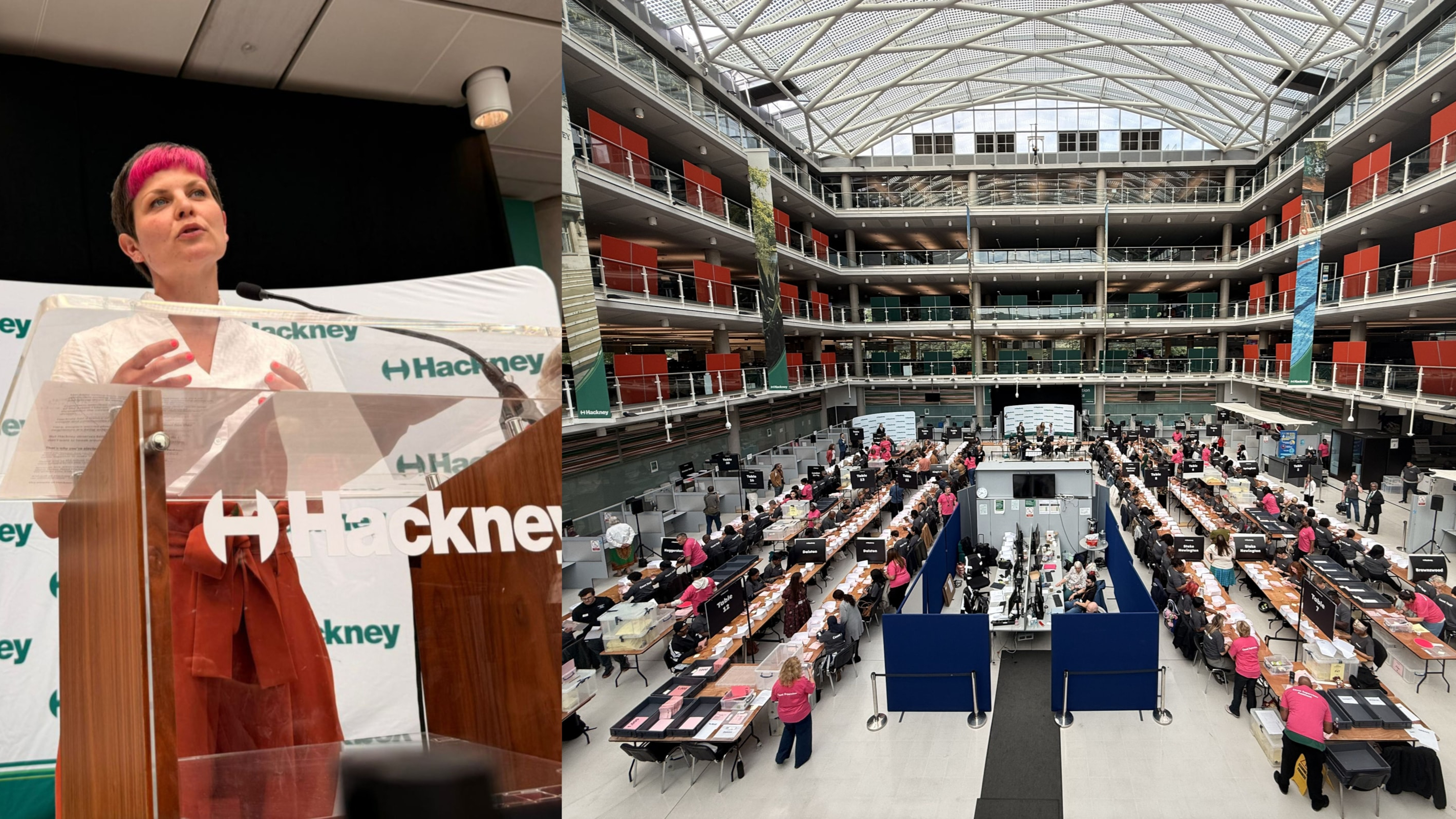
Administrative transition at Hackney Town Hall
As the first Green Party mayor, Zoë Garbett will oversee the Hackney Council’s executive functions and the delivery of public services. The role of the directly elected mayor involves setting the annual budget, determining policy frameworks, and representing the borough in dealings with the Greater London Authority and national government.
The incoming administration is expected to focus on core policy areas such as sustainable urban development, air quality improvements, and expanded social housing initiatives. The transition from a Labour-led executive to a Green Party leadership requires coordination with council officers to ensure the continuity of essential services during the handover period.
The result in Hackney is being monitored closely by political analysts as an indicator of broader shifts in London’s local government dynamics. The displacement of a long-standing Labour executive in one of the capital’s central boroughs suggests a diversification of political representation that may influence future local and regional contests.
Garbett’s term begins immediately, with the new mayor expected to announce her cabinet and initial policy directives in the coming days. The council will now move to integrate the new executive’s priorities into the existing medium-term financial plan and service delivery strategies.
Source: Hackney Council


Comments