Glasgow road repairs set for £30m boost to fix city streets

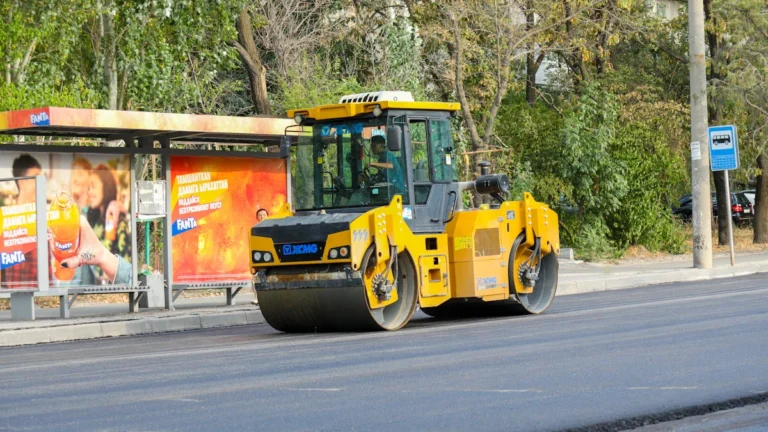
Glasgow motorists and cyclists are set for smoother journeys following the approval of road resurfacing contracts totaling £30 million. This investment marks a significant phase in the city’s ongoing infrastructure strategy, targeting high-traffic corridors and residential streets that have suffered from accelerated wear.
📌 Key Highlights
* Total Investment: Up to £30 million in newly awarded contracts.
* Primary Goal: Comprehensive resurfacing of major and residential road networks.
* Strategic Focus: Reducing the maintenance backlog and improving long-term surface durability.
* Timeline: Works are scheduled to accelerate as part of the 2026 infrastructure rollout.
Multi-million pound investment targets major routes
The newly awarded contracts allow for a comprehensive schedule of works across the city’s road network. This funding is part of a broader commitment to tackle the backlog of repairs and improve the overall quality of Glasgow’s transport links. Work is expected to begin shortly, with specific locations prioritized based on technical assessments of road surface conditions and traffic volume data.

Infrastructure durability and safety standards
Beyond immediate repairs, this road resurfacing project aims to extend the lifespan of Glasgow’s primary arteries. By utilizing modern resurfacing techniques, the city seeks to reduce the frequency of emergency pothole repairs, which often cause more disruption and higher long-term costs. The project aligns with wider urban development goals, such as the new 20mph limits, to ensure the city remains accessible and safe for all road users, including the growing number of cyclists using dedicated lanes adjacent to major roads.
Frequently Asked Questions
Why is Glasgow investing £30 million into road resurfacing instead of standard pothole repairs?
This investment shifts the city’s strategy from reactive ‘patching’—which often fails during winter cycles—to comprehensive resurfacing. By replacing entire sections of the road crust using high-durability materials, the council aims to break the cycle of recurring potholes, ultimately lowering long-term maintenance costs and improving safety for cyclists and high-speed commuters.
How can I check if my residential street is on the 2026 repair schedule or report a hazard?
Priority is determined by technical road scans and traffic volume, but resident input remains vital. To influence the priority list or flag a dangerous surface, you should use the official Glasgow City Council ‘Report a Pothole’ online portal or the MyGlasgow app. While major arteries are the first focus of the £30m fund, community reports help dictate the secondary schedule for residential areas.
What impact will these roadworks have on my daily commute and local business access?
While the project will lead to smoother, faster journeys and reduced vehicle wear-and-tear in the long run, residents should expect phased road closures and temporary diversions through 2026. To minimize disruption, the city is utilizing modern, faster-curing asphalt techniques that allow roads to reopen sooner, ensuring local businesses remain accessible even during peak construction windows.
Where can I find real-time updates and the full list of scheduled Glasgow roadworks?
For the most accurate timeline of the 2026 rollout, visit the Glasgow City Council ‘Roads and Pavements’ page. For day-to-day travel planning, residents are encouraged to monitor Traffic Scotland for live incident reports and follow official local government social media channels for 48-hour notices on specific neighborhood resurfacing starts.
Source: Glasgow City Council


Comments