Can a Supermarket Freezer Plan Cut Your Weekly Food Bill?
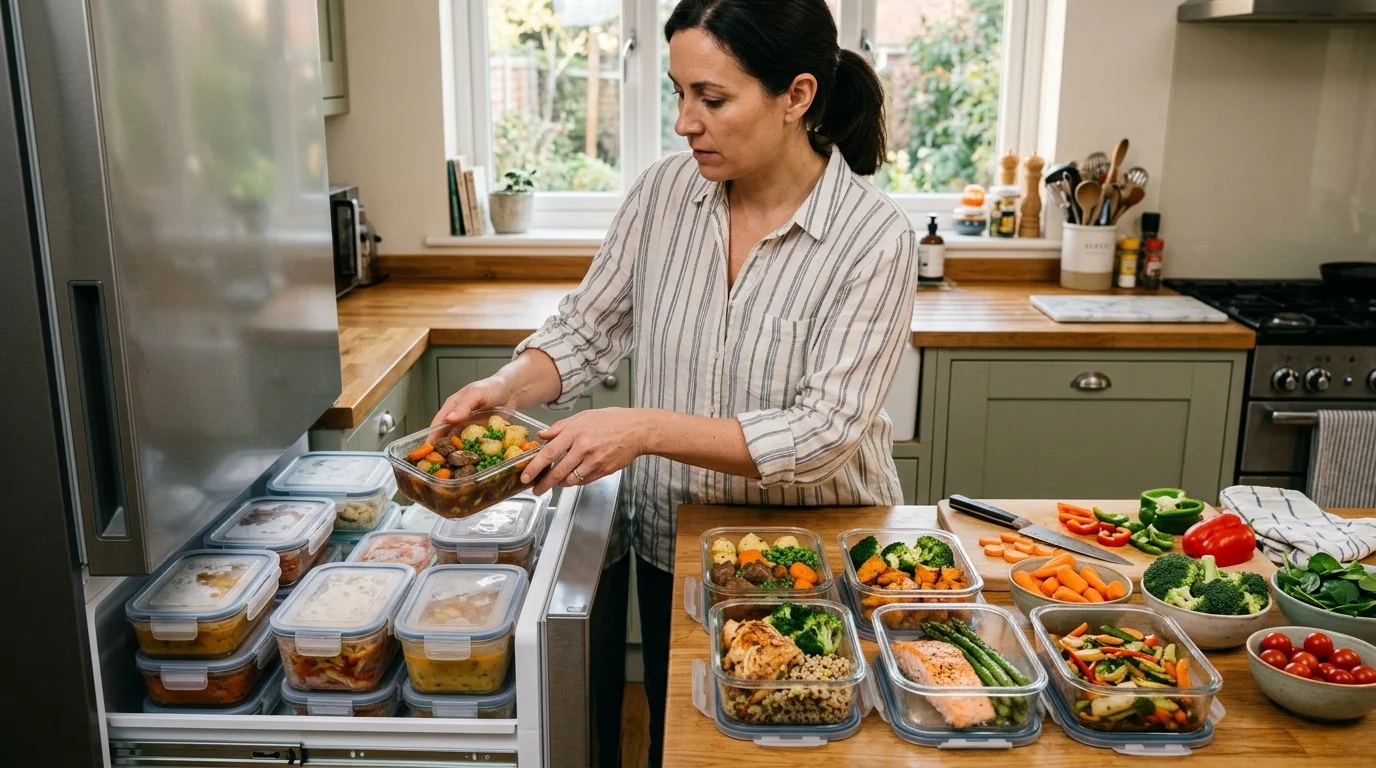
Switching to a freezer-first shopping strategy can reduce a household food budget by up to 25%, primarily by eliminating the ‘fresh-food waste’ that costs the average UK family hundreds of pounds each year. While the freezer aisle was once associated with highly processed convenience meals, the 2026 landscape of supermarket frozen sections focuses on raw ingredients—from pre-chopped aromatics to flash-frozen proteins—that offer significant price-per-kilogram advantages over their chilled counterparts.
To determine if a freezer plan is right for your household, you must weigh the upfront cost of stocking up against the long-term reduction in mid-week ‘top-up’ shops. By using data from the Food Standards Agency (FSA) and the NHS, we can build a plan that prioritises nutrition and safety while driving down costs.
The Economics of the Frozen Aisle
The primary reason a freezer plan cuts bills is the stabilised unit price. Fresh produce prices fluctuate based on seasonality and supply chain logistics. Frozen food, however, is processed in bulk during peak harvest times, allowing retailers to maintain lower, more consistent pricing.
For example, a 500g bag of frozen spinach often costs less than half the price of the equivalent weight in fresh bags, and because it is already wilted and compressed, it contains more actual vegetable volume. Similarly, frozen white fish and salmon fillets can be 20% to 30% cheaper than the fresh counter equivalents. The real saving, however, comes from the ‘zero-waste’ factor. According to the NHS Eat Well guidelines, frozen fruits and vegetables count toward your 5-a-day and are often frozen within hours of being picked, locking in vitamins that fresh produce loses during transport and storage on shelves.
Food Safety and Freezer Management
To save money effectively, you must avoid the ‘freezer graveyard’—where food is bought but never eaten. Effective management follows strict Food Standards Agency (FSA) safety protocols to ensure food remains palatable and safe.
- Temperature Control: Your freezer should be at -18°C or below. This stops the growth of bacteria.
- Defrosting Safely: Always defrost meat, fish, and poultry in the fridge, not at room temperature. The FSA notes that food should be thoroughly defrosted before cooking unless the packaging states otherwise.
- Refreezing Rules: You can refreeze cooked food that was previously frozen when raw, provided it has been cooked to a safe temperature. However, you should not refreeze raw food once it has thawed.
- Labeling: Use a ‘First In, First Out’ (FIFO) system. Clearly mark bags with the date of purchase. Frozen vegetables are best used within 8–12 months, while fatty meats like bacon are best used within 1–2 months for quality.
When Frozen Beats Fresh—and When It Does Not
Not every item belongs in the freezer. Understanding the trade-offs is essential for a plan that doesn’t feel like a compromise.
| Food Category | Better Frozen? | Why? |
|---|---|---|
| Berries & Fruits | Yes | Fresh berries spoil in days; frozen are perfect for smoothies and porridge. |
| Herbs & Aromatics | Yes | Pre-chopped frozen ginger, garlic, and chilli save time and prevent shrivelled fresh waste. |
| Leafy Greens | Mixed | Frozen is great for cooking (soups, stews); fresh is essential for salads. |
| Steak & Whole Poultry | No | Texture can degrade; fresh is often better for dry-heat cooking like searing. |
| Root Vegetables | No | Potatoes and carrots are usually cheaper bought fresh in bulk bags. |
A Sample Seven-Day Freezer-First Meal Plan
This plan focuses on using frozen staples supplemented by high-value fresh items (like milk, bread, and eggs).
- Monday: Frozen salmon fillets with frozen Mediterranean roasting vegetables and store-cupboard couscous.
- Tuesday: Turkey mince chilli (using frozen mince and frozen chopped onions/peppers) served with rice.
- Wednesday: Spinach and ricotta pasta bake (using frozen spinach blocks and frozen garlic).
- Thursday: Leftover chilli jacket potatoes (using bulk-bought fresh potatoes).
- Friday: Frozen white fish goujons with frozen peas and oven-baked chips.
- Saturday: Stir-fry using frozen ‘stir-fry mix’ vegetables, frozen prawns, and noodles.
- Sunday: Roast chicken (fresh) with frozen broccoli, frozen cauliflower cheese, and frozen parsnips.
Maximising Value and Minimising Waste
To make this plan work, you need a ‘Freezer Audit’ once a month. Before going to the supermarket, check what is at the bottom of the drawer. Use ‘odds and ends’ of frozen vegetables to make a ‘fridge-raid’ soup or stew.
Another strategy is ‘component freezing.’ Instead of buying expensive pre-made frozen meals, buy the frozen components. Buying a large bag of frozen chicken breasts and a bag of frozen peppers is significantly cheaper per serving than buying four individual frozen ‘Chicken Jalfrezi’ ready meals. This approach allows you to control salt and sugar intake, aligning with NHS healthy eating recommendations while keeping the convenience of a 15-minute prep time.
Source: Food Standards Agency
Source check Evidence-Based Guidance
This guide combines food safety standards from the Food Standards Agency with nutritional advice from the NHS to evaluate household budgeting strategies.
- Cross-referenced FSA chilling guidelines for 2026 safety standards.
- Applied NHS Eat Well produce classifications for nutritional parity.
- Calculated cost comparisons based on standard UK supermarket unit pricing.
- Source
- Food Standards Agency
- Scope
- United Kingdom
- Updated
- 2026-05-21 00:09
Source check
Report a trust issue
Send a clear signal to community moderation if the source, facts or context need review.

Comments