Can a Freezer Plan Cut Your Weekly Food Bill?

Contents
- Where frozen food usually saves money
- Where the freezer can quietly increase waste
- A simple one-week freezer-first plan
- Food safety rules that should shape the plan
- How to keep the plan healthy enough to repeat
- When fresh food is still the better buy
- A quick checklist before trying it
- The practical verdict
A supermarket freezer plan can cut a weekly food bill, but only when it replaces wasted fresh food and expensive last-minute meals. The savings usually come from buying useful frozen staples, freezing leftovers safely, and planning meals around what will actually be eaten. It is not a magic fix: overbuying, freezer burn, forgotten bags and poor thawing habits can turn a freezer-first shop into another kind of waste.
For many households, the best approach is not to make every meal frozen. It is to use the freezer as a backup pantry: vegetables for weeknight meals, bread for toast and packed lunches, fish or chicken portions when prices are right, and batch-cooked meals for nights when cooking from scratch is unlikely.
Where frozen food usually saves money
Frozen food can save money in three main ways: it lasts longer, it is often portionable, and it can reduce the number of emergency top-up shops.
Frozen vegetables are usually the easiest win. Peas, spinach, sweetcorn, mixed vegetables, sliced peppers and broccoli can be used a handful at a time, so the household is less likely to throw away half a bag of fresh produce at the end of the week. They also help keep quick meals balanced when the fridge is running low.
Frozen fruit can work well for smoothies, porridge, crumbles and yoghurt bowls, especially berries that are expensive fresh and spoil quickly. It is less useful if the household wants crisp snacking fruit, because freezing changes texture.
Frozen fish fillets, prawns, chicken portions and meat-free protein can be good value when they prevent takeaway spending or replace small fresh packs bought at convenience prices. The key is to compare usable portions, not just bag price. A large frozen bag is only cheaper if the household will finish it before quality drops.
Bread is another practical freezer item. Sliced bread, rolls, wraps, pittas and crumpets usually freeze well and can be taken out as needed. This can be especially useful for smaller households that struggle to finish a loaf before it goes stale.
Where the freezer can quietly increase waste
A freezer plan fails when it becomes a second cupboard for food with no job. The most common problem is buying large bags because they look cheap, then never building meals around them.
Frozen food can also waste money when the household buys duplicates. If nobody checks the freezer before shopping, the weekly plan may add another bag of peas, another pack of mince or another pizza while older food is pushed further back.
Quality loss matters too. Frozen food kept too long may still be safe if it has remained properly frozen, but it can become dry, icy or unappealing. Once food feels like a poor option, it is less likely to be eaten and more likely to be replaced by fresh purchases.
There is also the energy and space question. A packed freezer can be useful, but a chaotic freezer makes meals harder. If every item needs digging out, the household may stop using it. A small, visible list on the freezer door can prevent that.
A simple one-week freezer-first plan
This example is designed for a typical mixed week, not a strict diet plan. It assumes the household still buys some fresh food for texture, flavour and variety.
| Day | Freezer item | Fresh item | Meal idea |
|---|---|---|---|
| Monday | Frozen mixed vegetables | Eggs or tofu | Fried rice or vegetable omelette |
| Tuesday | Frozen fish fillets | Potatoes and salad | Fish, wedges and salad |
| Wednesday | Batch-cooked sauce | Pasta and greens | Pasta with sauce and vegetables |
| Thursday | Frozen peppers or spinach | Tortillas and yoghurt | Wraps, fajitas or curry-style filling |
| Friday | Frozen pizza base or leftovers | Salad vegetables | Easy meal with fresh side |
| Saturday | Frozen berries | Oats or yoghurt | Breakfast bowls or crumble |
| Sunday | Frozen meat, pulses or meat-free mince | Root vegetables | Stew, chilli or tray bake |
A practical shop for this kind of week might include frozen peas or mixed vegetables, frozen spinach, one protein bag, one bread product, one fruit bag and one emergency meal. The fresh shop can then focus on foods that are better fresh: salad leaves, tomatoes, apples, bananas, herbs, milk, eggs, yoghurt and anything needed for flavour.
The plan works best when two meals are deliberately flexible. For example, frozen vegetables can become soup, noodles, rice, pasta or a side dish. That flexibility matters because real weeks rarely follow a perfect menu.
Food safety rules that should shape the plan
The Food Standards Agency gives guidance on chilling and freezer handling, and the main household lesson is simple: keep cold food cold, cool leftovers properly, and avoid unsafe thawing habits.
Frozen food should go into the freezer promptly after shopping. Chilled and frozen items should not be left sitting out while other errands are done, especially in warm weather. If the journey home is long, an insulated bag can help.

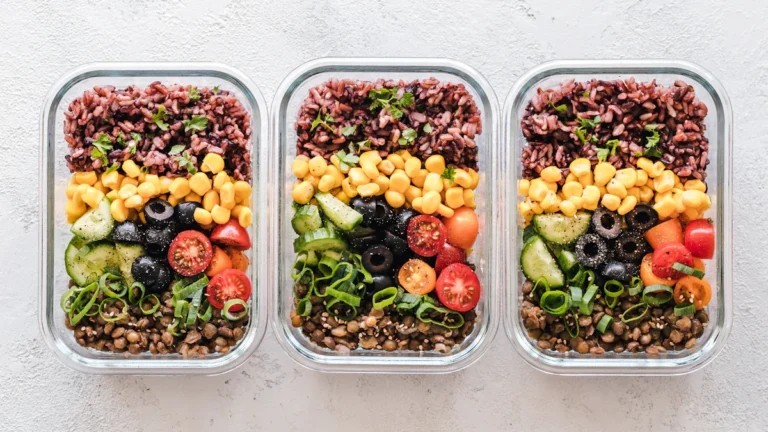
Leftovers should be cooled and stored safely rather than left at room temperature for long periods. Divide large portions into shallow containers so they cool more quickly, label them, and freeze them once they are suitable for freezing. A label should include the food and date, not just a hopeful memory.
Defrosting should be planned. Many foods are safest thawed in the fridge, while some can be cooked from frozen if the packaging instructions say so. Food should be reheated thoroughly when reheating is needed. If there is any doubt about whether food has been stored safely, it is not worth treating the freezer as a rescue plan.
How to keep the plan healthy enough to repeat
The NHS Eatwell guidance encourages a balanced diet with plenty of fruit and vegetables, starchy carbohydrates, protein foods and some dairy or alternatives. A freezer plan should support that pattern rather than turn the week into a run of beige convenience meals.
A useful rule is to make frozen staples do the background work. Frozen vegetables can lift pasta, rice, noodles, stews and omelettes. Frozen fruit can make breakfasts easier. Frozen fish or beans can provide protein. Fresh items can then add crunch, acidity and variety.
Salt, saturated fat and portion size still matter. Some frozen ready meals, coated meats, pizzas and desserts can be convenient, but they are not automatically good value if they crowd out cheaper, simpler ingredients. Check labels and compare them with the meal they are replacing. If a frozen ready meal prevents a takeaway, it may save money that week. If it replaces a cheaper home-cooked meal every day, the saving may disappear.
When fresh food is still the better buy
Fresh food is often better when texture is the point of the meal. Salad leaves, cucumbers, tomatoes, fresh herbs, citrus, apples and bananas usually make more sense fresh for everyday eating. Frozen versions either do not exist in a useful form or work better in cooked dishes.
Fresh can also be better when the quantity is small and certain. If a household knows it will use two carrots, one onion and one pepper this week, buying fresh may be cheaper than buying another frozen bag that will sit for months.
Seasonal fresh produce can beat frozen on price, especially when supermarkets discount it. The freezer plan should not stop shoppers comparing. It should simply reduce pressure to buy fresh items that often spoil before they are used.
A quick checklist before trying it
Before the next shop, check what is already in the freezer and write down five usable items. Build the week around those first.
Choose two frozen vegetables, one frozen protein, one bread item and one backup meal. Avoid buying more than the freezer can show you clearly.
Label leftovers with the food name and date. Put newer items behind older ones so the oldest food gets used first.
Keep two fresh items that make meals feel better: salad, herbs, citrus, yoghurt, fruit or crunchy vegetables. A freezer plan is easier to keep when meals still feel fresh.
Review the bill after two weeks, not one. A first freezer shop may cost more if it stocks up on staples. The saving appears only if those staples replace later purchases and reduce waste.
The practical verdict
A supermarket freezer plan is worth trying if the household currently throws away fresh produce, buys frequent top-up items, or relies on expensive last-minute meals. The biggest savings are likely to come from frozen vegetables, bread, fruit for cooking or breakfast, sensible protein portions and planned leftovers.
It is less useful for households that already waste very little, have limited freezer space, or prefer mostly fresh textures. The best version is a hybrid: frozen staples for reliability, fresh food for flavour and crunch, and a written plan simple enough to survive a busy week.
Source: Food Standards Agency
Source check How this guide was checked
This guide uses Food Standards Agency freezer and chilling advice alongside NHS healthy eating guidance to keep the money-saving advice practical and cautious.
- Checked freezer handling against Food Standards Agency chilling guidance.
- Used NHS Eatwell guidance for balanced meal-planning context.
- Separated likely savings from situations where frozen food can increase waste.
- Source
- Food Standards Agency
- Scope
- United Kingdom
- Updated
- 2026-05-28 00:14
Source check
Report a trust issue
Send a clear signal to community moderation if the source, facts or context need review.


Comments